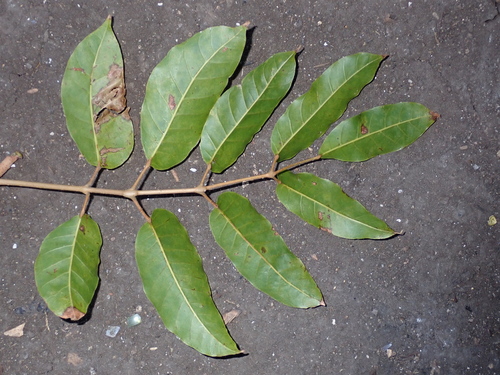
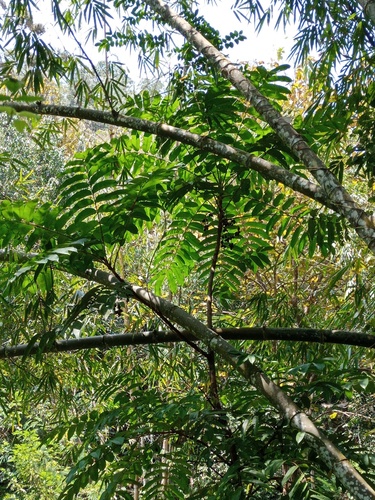
Commiphora bruceae
Chiov.
Lolewi
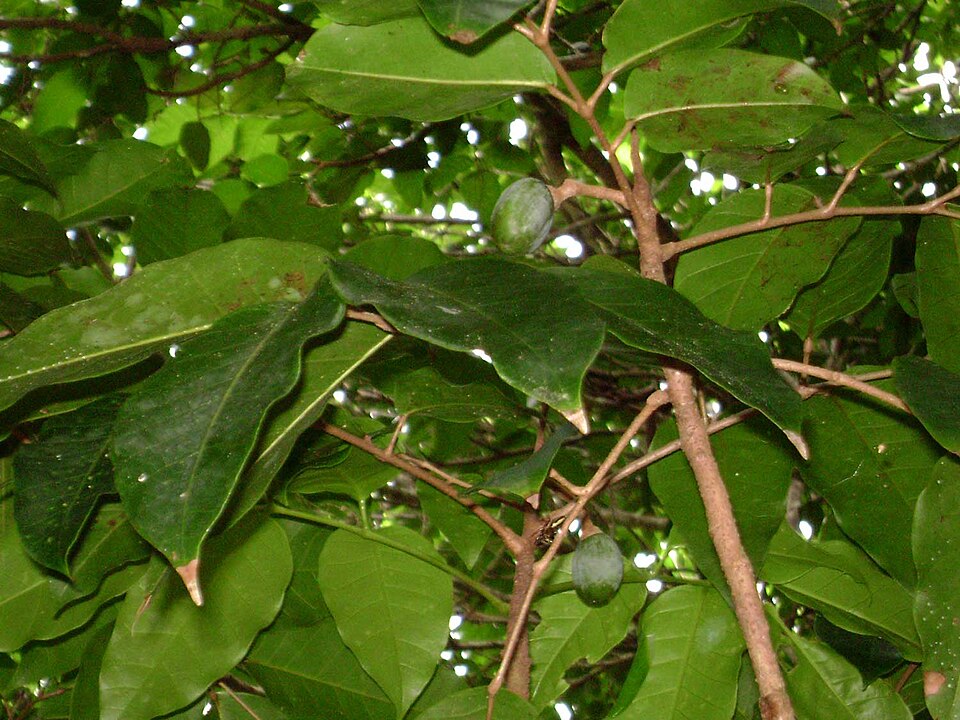
iNaturalist· cc-by-nc-sa
(c) Ateah Alfakih, some rights reserved (CC BY-NC-SA)
iNaturalist· cc-by-nc
(c) James Bailey, some rights reserved (CC BY-NC)
iNaturalist· cc-by-nc
(c) James Bailey, some rights reserved (CC BY-NC)
Description
A shrub or small tree growing 3-5 m high in the Burseraceae family, found in tropical East Africa on alluvial soils in arid regions with low annual rainfall (220-270 mm).
Edible Uses
The stem is chewed for its sweetness.
Traditional Uses
The stem is chewed for its sweetness.
This uses section is brief — help expand it
Distribution
It is a tropical plant. It grows on alluvial soils. In East Africa it grows between 60-1,075 m above sea level. It grows in areas with an annual rainfall of 220-270 mm. It can grow in arid places.
Where It Grows
Africa, East Africa, Ethiopia, Kenya, Somalia, Tanzania,
References (3)
- Morgan, W. T. W., 1981, Ethnobotany of the Turkana: Use of plants by a Pastoral People and Their Livestock in Kenya. Economic Botany 35(1):96-130
- Peters, C. R., O'Brien, E. M., and Drummond, R.B., 1992, Edible Wild plants of Sub-saharan Africa. Kew. p 72
- Royal Botanic Gardens, Kew (1999). Survey of Economic Plants for Arid and Semi-Arid Lands (SEPASAL) database. Published on the Internet; http://www.rbgkew.org.uk/ceb/sepasal/internet [Accessed 4th April 2011]