Commiphora baluensis
Engl.
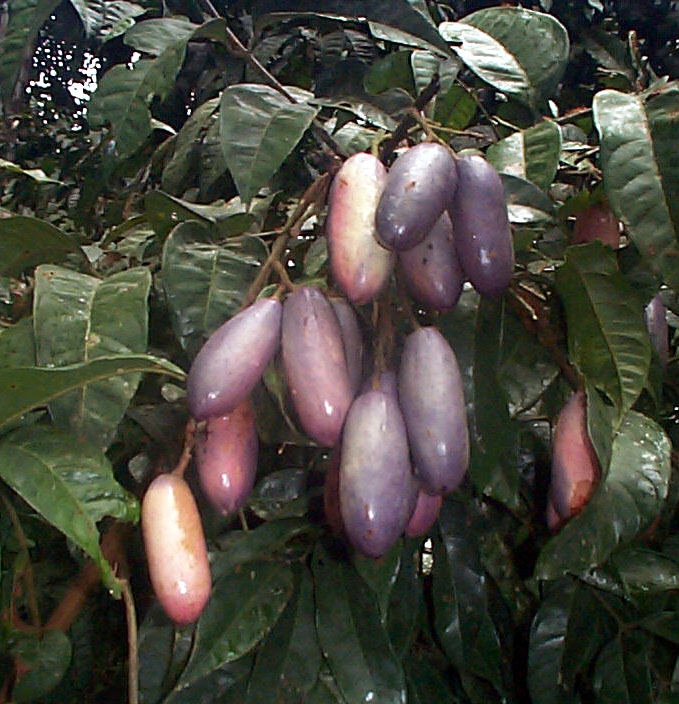
iNaturalist· cc-by-nc
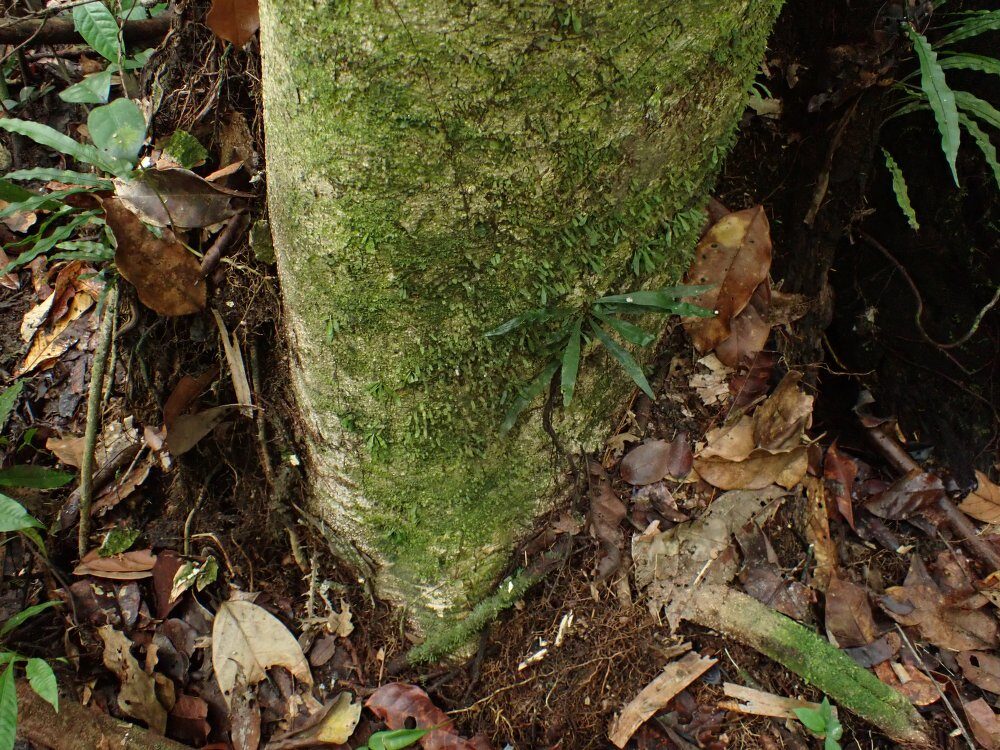
(c) Subramanian Sevgan, some rights reserved (CC BY-NC), uploaded by Subramanian Sevgan
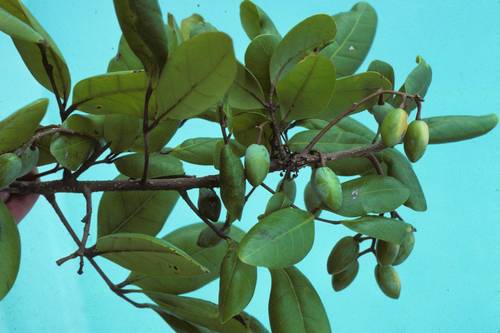
iNaturalist· cc-by-nc
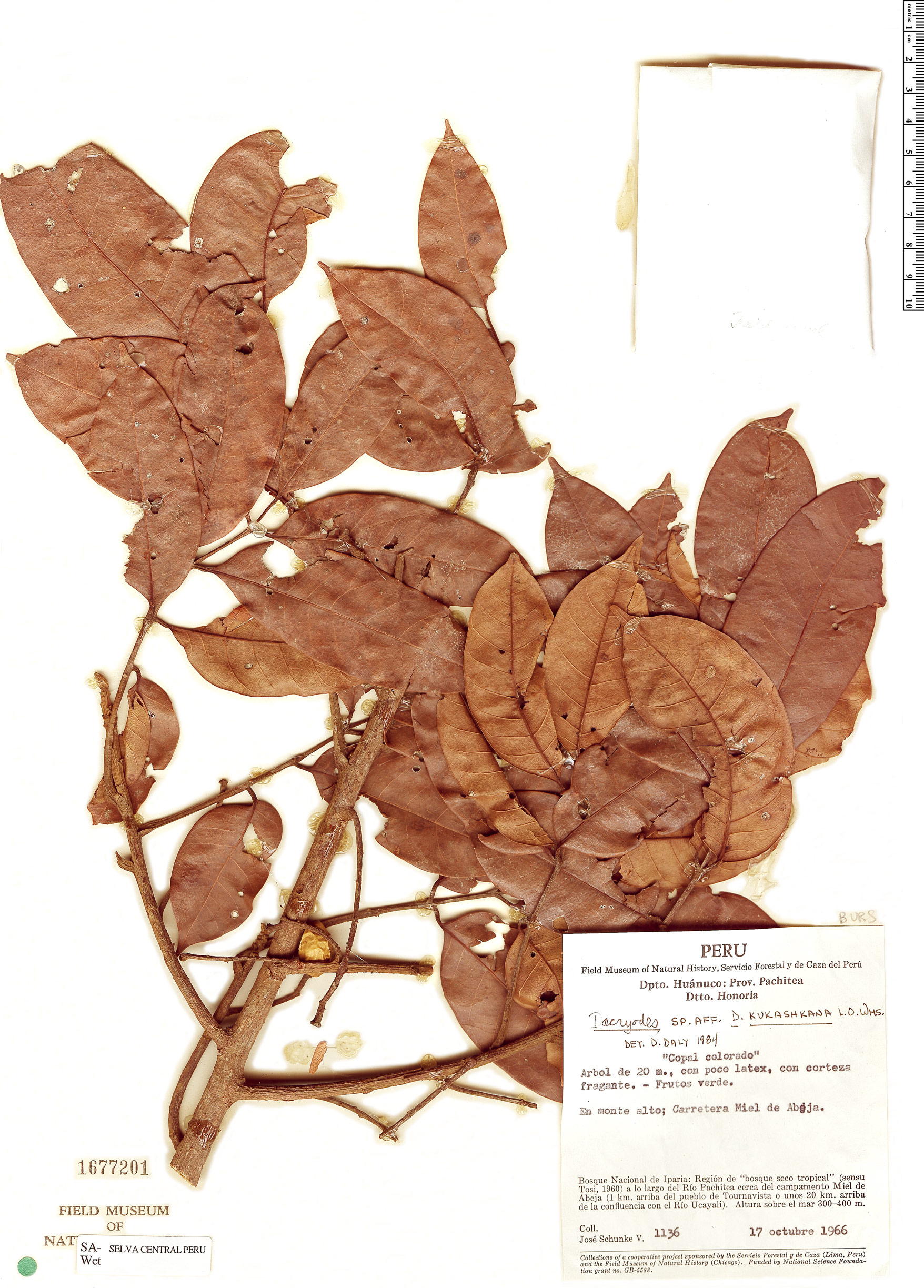
(c) Zarek Cockar, some rights reserved (CC BY-NC), uploaded by Zarek Cockar
Description
A tree. It grows 6-20 m tall. The trunk has the lowest branches above 5 m. The trunk is 35 cm across. The bark peels in large white flakes. The leaves have 3-5 leaflets. The leaflets are narrow and they have teeth along the edge. The leaflets are 6 cm long by 4 cm wide. The fruit are 13 mm long by 5 mm wide and flattened.
Edible Uses
The fruits are eaten, and the bark is brewed as tea.
Distribution
It is a tropical plant. It grows in deciduous forests between 600-1,600 m above sea level. It grows in areas with a rainfall of 450-800 mm.
Where It Grows
Africa, East Africa, Ethiopia, Kenya, Tanzania,
Cultivation
Plants can be grown from seed.
Synonyms
Also Known As
Hagar madow, Itula, Mutula
References (3)
- Lulekal, E., et al, 2011, Wild edible plants in Ethiopia: a review on their potential to combat food insecurity. Afrika Focus - Vol. 24, No 2. pp 71-121
- Mutie, F. G., 2020, Conservation of Wild Food Plants and Their Potential for Combatting Food Insecurity in Kenya as Exemplified by the Drylands of Kitui County. Plants 2020, 9, 1017
- Mutie, F. M., et al, 2023, Important Medicinal and Food Taxa (Orders and Families) in Kenya, Based on Three Quantitative Approaches. Plants 2023, 12, 1145