Lupinus arboreus
Sims
Tree lupin
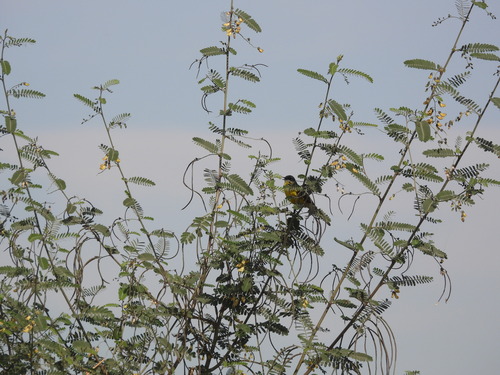
iNaturalist· cc-by-nc
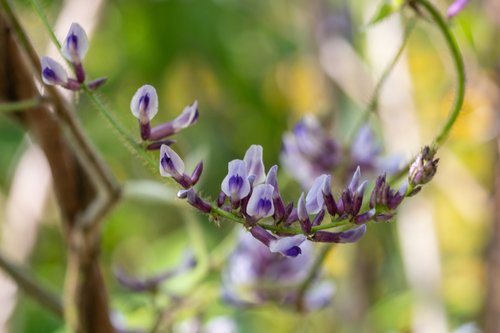
(c) Tiffa Theden, some rights reserved (CC BY-NC), uploaded by Tiffa Theden
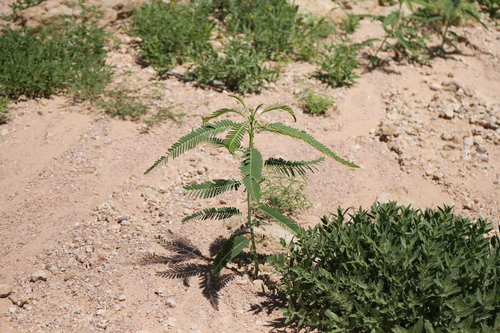
iNaturalist· cc-by-nc-sa
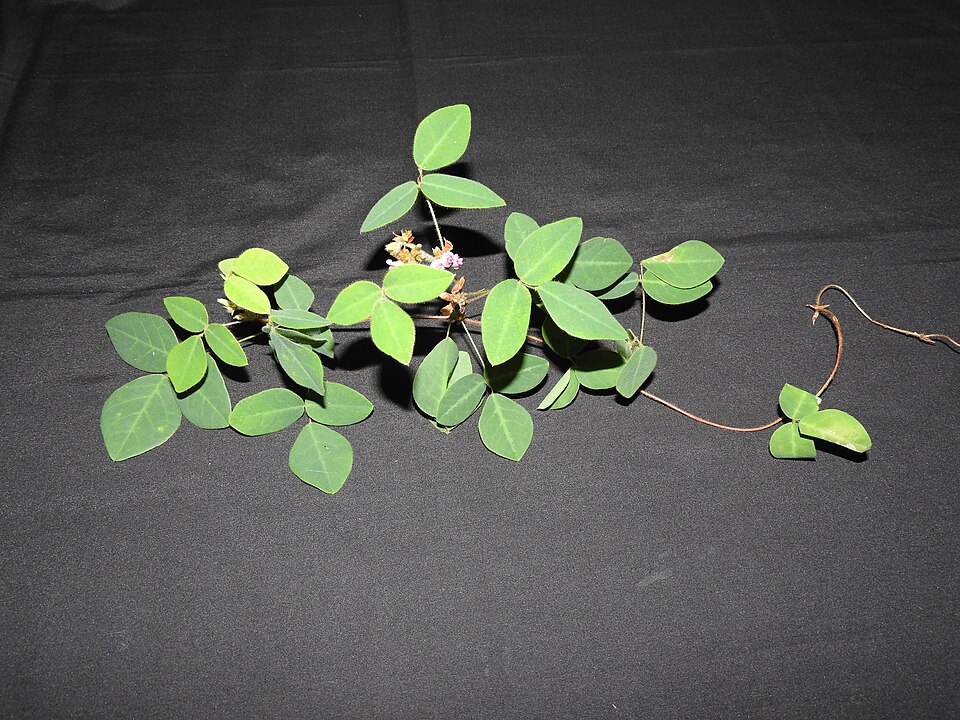
(c) Ethan, some rights reserved (CC BY-NC-SA), uploaded by Ethan
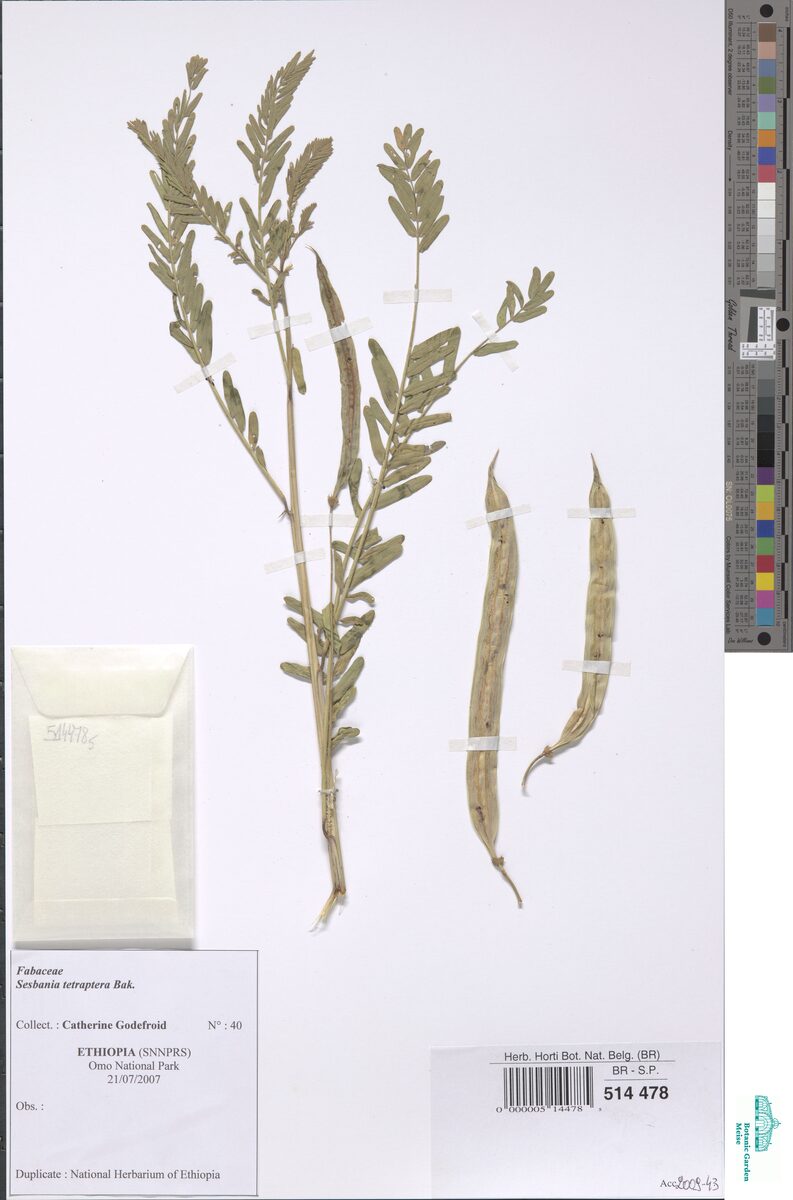
iNaturalist· cc-by-nc
(c) Chris Nelson, some rights reserved (CC BY-NC), uploaded by Chris Nelson
Summary
Source: WikipediaLupinus arboreus, the yellow bush lupine (US) or tree lupin (UK), is a species of flowering plant in the legume family Fabaceae.
Description
A shrub. The leaves have 7-9 leaflets. These are 15-40 mm long by 4-7 mm wide.
This description is brief — help expand it
Edible Uses
None known.
Medicinal Uses
None known.
Known Hazards
The seed of many lupin species contain bitter-tasting toxic alkaloids, though there are often sweet varieties within that species that are completely wholesome. Taste is a very clear indicator. These toxic alkaloids can be leeched out of the seed by soaking it overnight and discarding the soak water. It may also be necessary to change the water once during cooking. Fungal toxins also readily invade the crushed seed and can cause chronic illness.
Distribution
It is a temperate plant. It grows between 500-1,000 m above sea level.
Where It Grows
Argentina, Australia, Chile, Falklands, North America, South America, Tasmania,
Cultivation
Requires a well-drained dry or moist soil in a sunny position. Prefers an alkaline soil. Grows well near the coast, resisting maritime exposure. Established plants are drought tolerant. Plants can be grown in quite coarse grass, which can be cut annually in the autumn. Hardy to about -15°c. Plants are hardy in all but severe winters in Britain, though they become less hardy with age. A fast-growing but short-lived plant, especially when growing in rich soils. Plants have reached 2.7 metres tall and wide within 4 years from seed in a rich soil, flowering and producing seed prolifically. Plants self-sow when in a suitable position. The flowers bear the fragrance of white clover. This species has a symbiotic relationship with certain soil bacteria, these bacteria form nodules on the roots and fix atmospheric nitrogen. Some of this nitrogen is utilized by the growing plant but some can also be used by other plants growing nearby.
Propagation
Pre-soak seed for 24 hours in warm water, then sow in early spring in a greenhouse; germination should occur within a couple of weeks. Prick seedlings into individual pots when large enough to handle and plant out in early summer. It is also possible to sow seed in situ in mid to late spring. Protect sowings from mice. Take cuttings of short side-shoots with a heel in July/August in a frame.
Other Uses
A bright yellow dye is obtained from the flowers. Root fibres have been used to make string for nets and similar uses. The plant is used in land reclamation to stabilize sandy soils and dunes; being fast-growing and tolerant of maritime exposure, it quickly provides shelter for other plants while also enriching the soil with nitrogen. It is an excellent pioneering plant in permaculture — even in exposed areas it rapidly reaches its maximum height of about 1.5 metres, providing shelter to help less tolerant plants establish. It is particularly useful for supporting the establishment of shrubs and herbaceous perennials in small gardens.
Synonyms
References (2)
- INFOODSUpdatedFGU-list.xls
- Upson, R., & Lewis R., 2014, Updated Vascular Plant Checklist and Atlas for the Falkland Islands. Falklands Conservation and Kew.