Albizia coriaria
Welw. ex Oliv.
wikimedia· cc-by-sa
Wikimedia Commons - Jörg Hempel
Summary
Source: WikipediaAlbizia coriaria is a deciduous tree native to Tropical Africa belonging to the family Fabaceae, the root and stem bark are widely used in traditional medicine to treat a variety of diseases.
Description
A tree. It grows 10-15 m tall. The crown is flat and spreading. The bark is rough and flakes off. Young branches are hairy. The leaves have 3-6 pairs or side branches and 6-11 pairs of leaflets. The flowers are white. The pods are 14-21 cm long by 3-4 cm wide. They split open. The seeds are 9-12 mm long by 8-9 mm wide.
Medicinal Uses
The following reports of use are for the very similar species Albizia ferruginea. This species can be used similarly. The bark is often used in traditional medicine, being considered astringent and vermifuge. A decoction is used to treat dysentery, bronchial affections and pain caused by fever. A bark maceration is drunk and applied as a wash to treat jaundice. A decoction of the bark is applied externally to treat sores, pimples and other skin complaints. A maceration of the leaves is administered as an enema to induce abortion. Leaf decoctions are used externally to treat headache, and as a wash or steam inhalation against fever (including malaria) and toothache; they are also applied as a wash to kill head lice. The bark from roots and bole contains high amounts of saponins, and the root bark also contains alkaloids.
Known Hazards
Stem bark extracts of the species are used in decoctions for the treatment of diarrhea in Nyanza, Kenya. The bark stem is also used to treat dermatological, respiratory and odontological ailments. However, consumption of high doses of herbal remedies containing Albizia coriaria can be toxic. Wood is traded as timber and also used in making poles, pestles and mortars and in making furniture. It is also used for firewood and charcoal.
Distribution
It is a tropical plant. It grows in somewhat drier regions.
Where It Grows
Africa, Angola, Benin, Central Africa, Central African Republic, CAR, Congo DR, Côte d'Ivoire, Ghana, Ivory Coast, Kenya, Malawi, Nigeria, Sudan, Tanzania, Togo, Uganda, West Africa, Zambia, Zimbabwe,
Cultivation
A slow-growing tree. The tree responds well to coppicing and pollarding. This species has a symbiotic relationship with certain soil bacteria, these bacteria form nodules on the roots and fix atmospheric nitrogen. Some of this nitrogen is utilized by the growing plant but some can also be used by other plants growing nearby.
Propagation
Seed - it has a hard seedcoat and may benefit from scarification before sowing to speed up germination. This can usually be done by pouring a small amount of nearly boiling water on the seeds (being careful not to cook them!) and then soaking them for 12 - 24 hours in warm water. By this time they should have imbibed moisture and swollen - if they have not, then carefully make a nick in the seedcoat (being careful not to damage the embryo) and soak for a further 12 hours before sowing. Sow the seed in a sunny position, preferably in situ but they can be growing in a nursery seedbed, Germination of treated seed usually takes 4 - 10 days, with up to 80% sprouting.
Other Uses
The following reports of use are for the very similar species Albizia ferruginea. This species can be used similarly. The leaves are a source of saponins and are sometimes used for washing clothes. The leaves are placed among bananas in order to hasten their ripening. The branchlets have been used as firesticks. The heartwood is yellowish brown to reddish brown, with a golden or occasionally purplish shine; it is distinctly demarcated from the 3 - 7cm wide layer of pale yellow to pinkish brown sapwood. The grain is interlocked; texture coarse; radial surfaces show a nice figure. The wood is moderately heavy, and does not float in water. It generally saws and works easily with ordinary hand and machine tools, but the force required depends on the density. A small cutting angle is needed to avoid tearing. The use of a filler is recommended to obtain a good finish. The wood holds nails and screws well, but pre-boring is advised to prevent splitting. The gluing, steam-bending and veneering properties are all good. The heartwood is durable and is resistant to fungi and dry-wood borers, and usually also to termites, although wood from Liberia is reportedly liable to termite attack. Known under the trade names 'iatandza' (Gabon), 'awiemfosamina' (Ghana) and 'musase' (Liberia). It is used for construction, light and heavy flooring, staircases, furniture, cabinet making, joinery, turnery, implements, carvings, glued laminated timber and veneer. It is also suitable for carpentry, mine props, vehicle bodies, toys and novelties, musical instruments, railway sleepers, boxes and crates. The wood is used for fuel and is commonly used for charcoal production.
Synonyms
References (1)
- World Checklist of Useful Plant Species 2020. Royal Botanic Gardens, Kew
More from Fabaceae
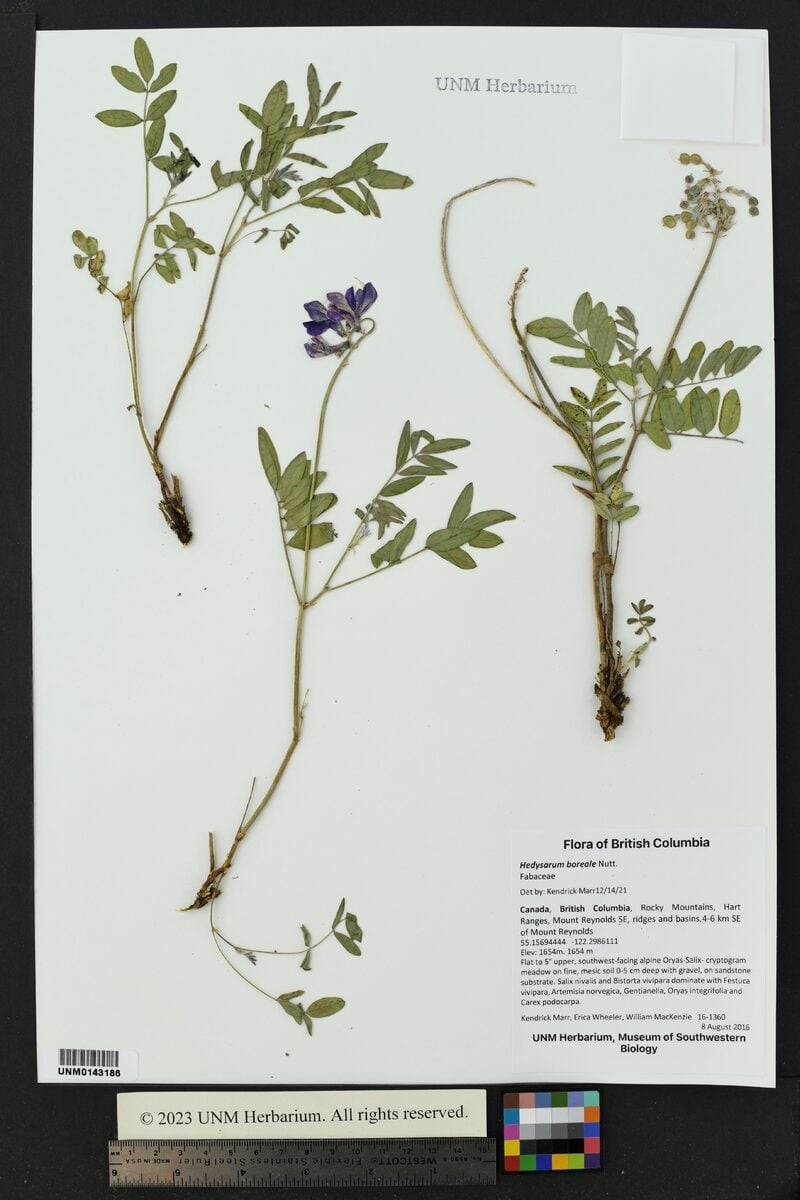
Hedysarum boreale subsp. mackenzii
Liquorice root, Mackenzie's Sweetvetch, Mackenzie's hedysarum
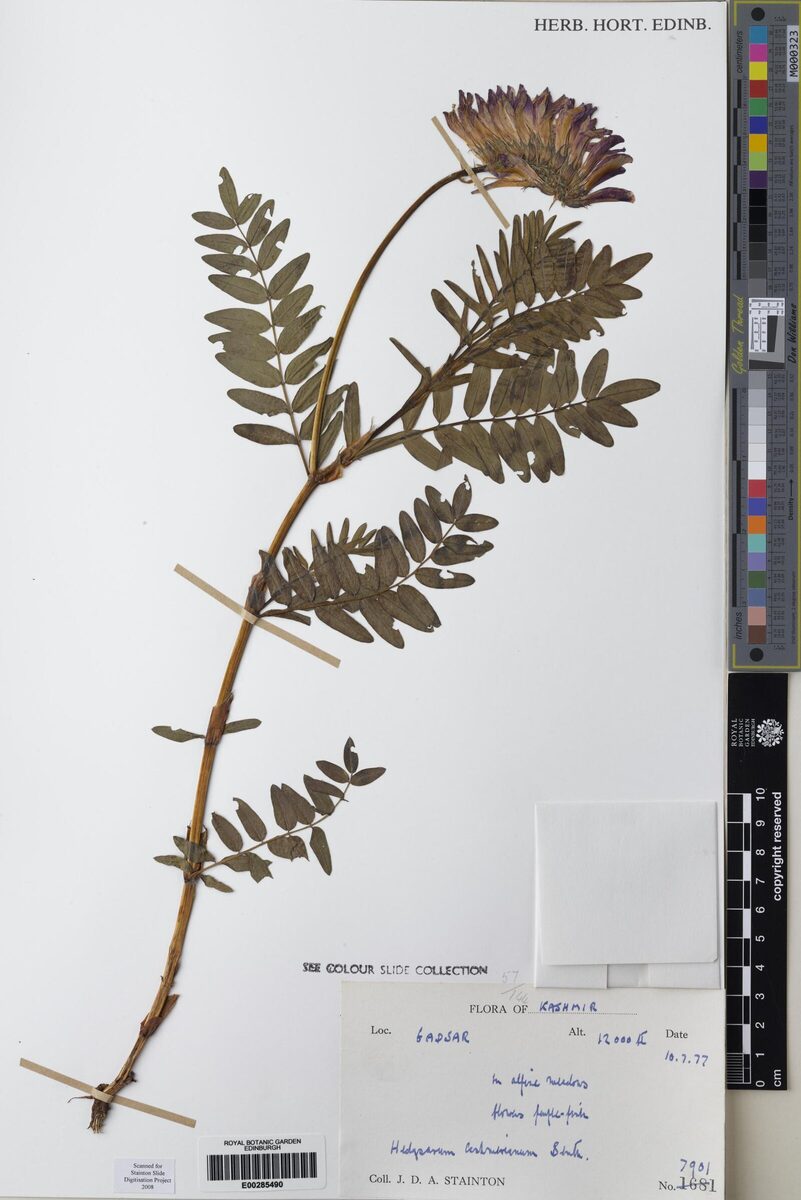
Hedysarum cachemirianum
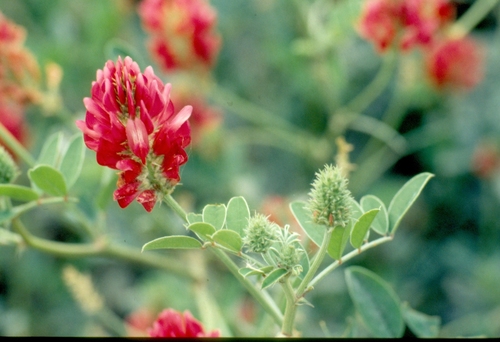
Hedysarum coronarium
French honeysuckle, Italian sainfoin, Sulla sweetvetch
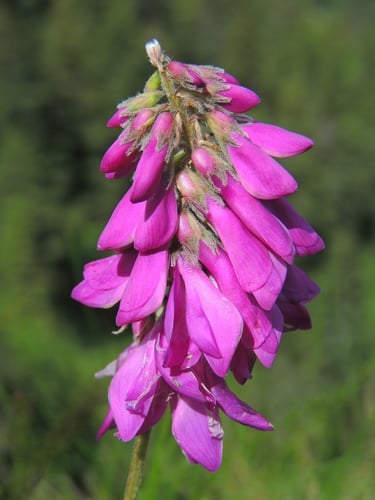
Hedysarum hedysaroides
Alpine French Honeysuckle, Eskimo potato
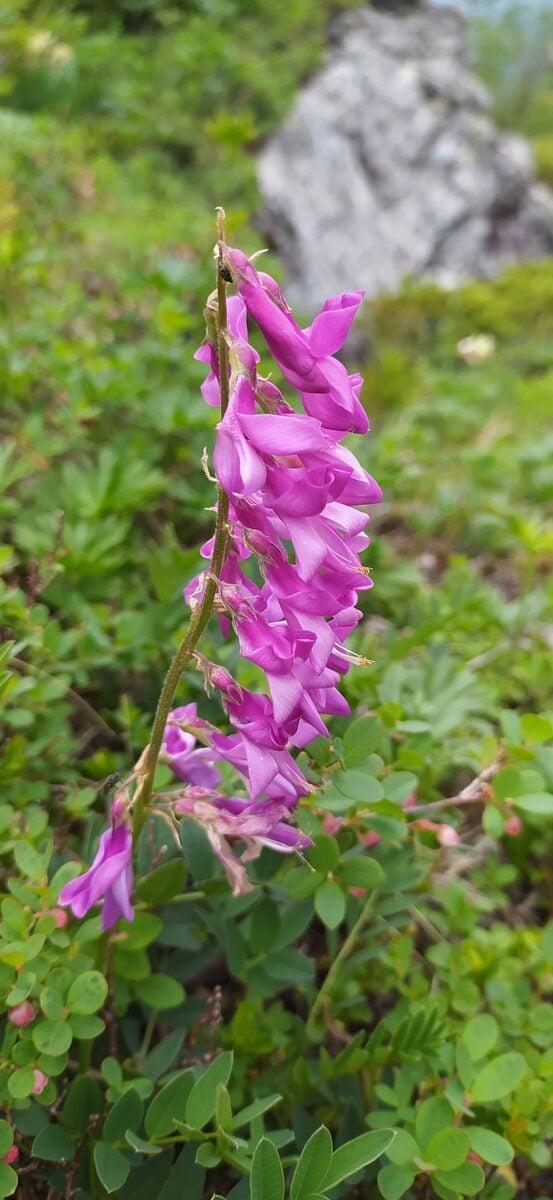
Hedysarum hedysaroides subsp. arcticum
Alpine loop
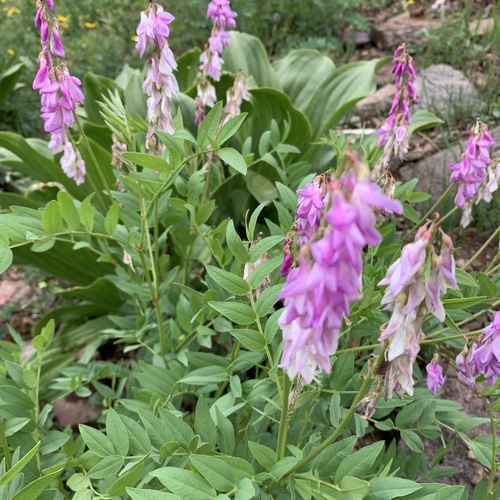
Hedysarum occidentale
Liquorice root, Sweetvetch