Knema glauca
(Blume) Petermann
iNaturalist· cc-by-nc
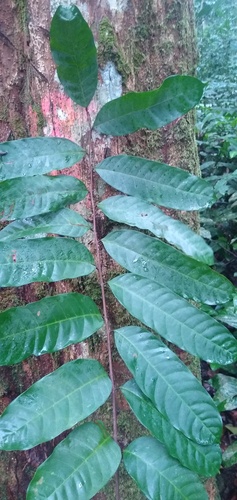
(c) Zakaria Al Anshori, some rights reserved (CC BY-NC), uploaded by Zakaria Al Anshori
wikimedia· cc0
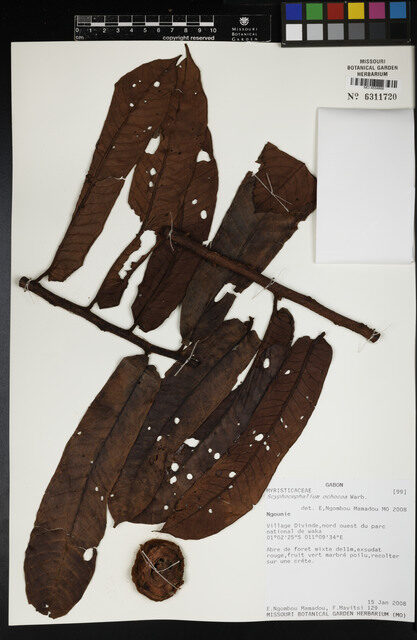
Wikimedia Commons - Kent, Willem II ?
Description
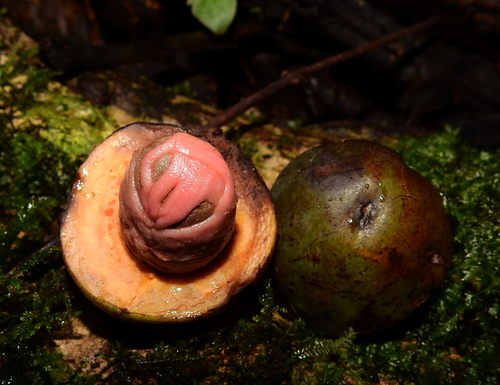
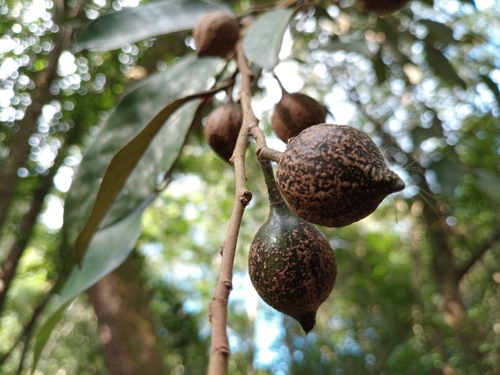
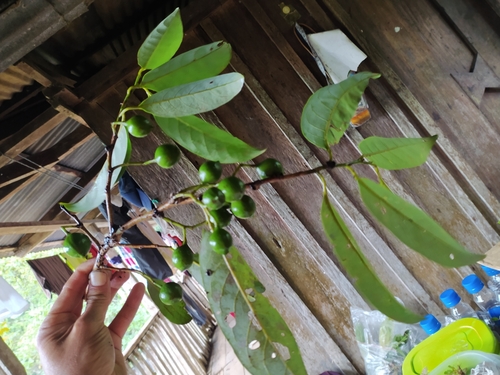
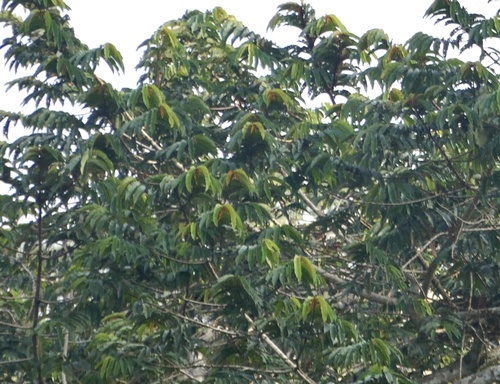
A tree. It grows 21 m tall. The stem has red sap. The leaves are alternate and simple. They are whitish underneath. The flowers are reddish and 4 mm across. They occur in groups. The fruit are about 2.5 cm across. They are yellow to red, They are capsules. The seeds have a yellow to orange fleshy layer or aril around them.
Edible Uses
Oil is extracted from the seeds.
Distribution
It is a tropical plant. It grows in mixed forest and swamp forests. It grows up to 300 m altitude. It occurs along rivers and in swamps. It grows on clay and sandy soils.
Where It Grows
Asia, Indochina, Indonesia, Malaysia, SE Asia, Thailand,
Cultivation
A tree mainly of moist, tropical lowlands, ascending also to elevations up to 1,000 metres. Trees are found on a wide variety of soils in the wild, including sandstone, clay, and lateritic, granitic, and black soil, (coral-)limestone, alluvial soils. Trees can flower and fruit all year round. A dioecious species, both male and female forms need to be grown if fruit and seed are required.
Propagation
Seed - dries out easily, loses its viability rapidly, and cannot be stored. It is best sown in a shaded position in a nursery seedbed - germination is usually fairly quick with the seed of most species sprouting within 2 - 17 weeks. Grow the young plants on in a shady position, planting them out in their permanent positions when large enough.
Other Uses
The seeds are used for vegetable oils and fats. The heartwood is reddish, the sapwood whitish. It is used locally.
Synonyms
Also Known As
Mendarahan
References (2)
- Slik, F., www.asianplant.net
- World Checklist of Useful Plant Species 2020. Royal Botanic Gardens, Kew