Knema globularia
(Lam.) Warb.
iNaturalist· cc-by-nc-sa
(c) Ria Tan, some rights reserved (CC BY-NC-SA)
iNaturalist· cc-by-nc-nd
(c) Ria Tan, some rights reserved (CC BY-NC-ND)
iNaturalist· cc-by-nc
(c) SunGW, some rights reserved (CC BY-NC)
Summary
Source: WikipediaKnema globularia or seashore nutmeg is a species of plant in the family Myristicaceae. It is a tree found in Cambodia, China, India and Southeast Asia. It grows on rocky and sandy coasts, riverbanks, and lowland forests.
Description
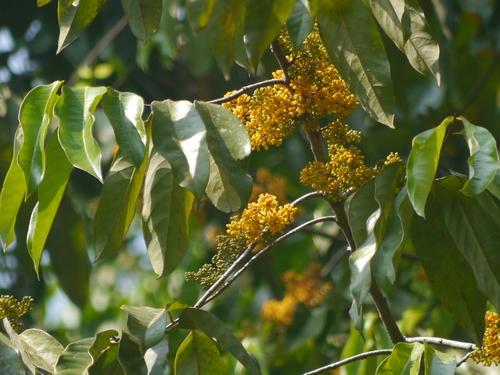
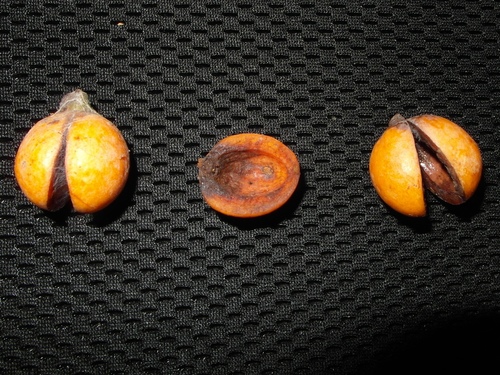
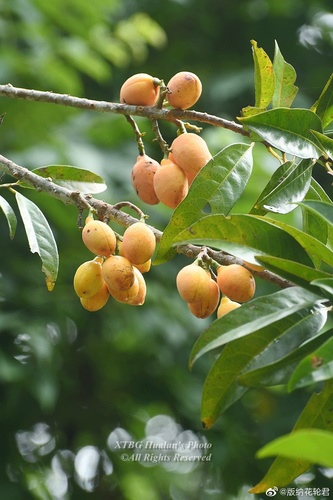
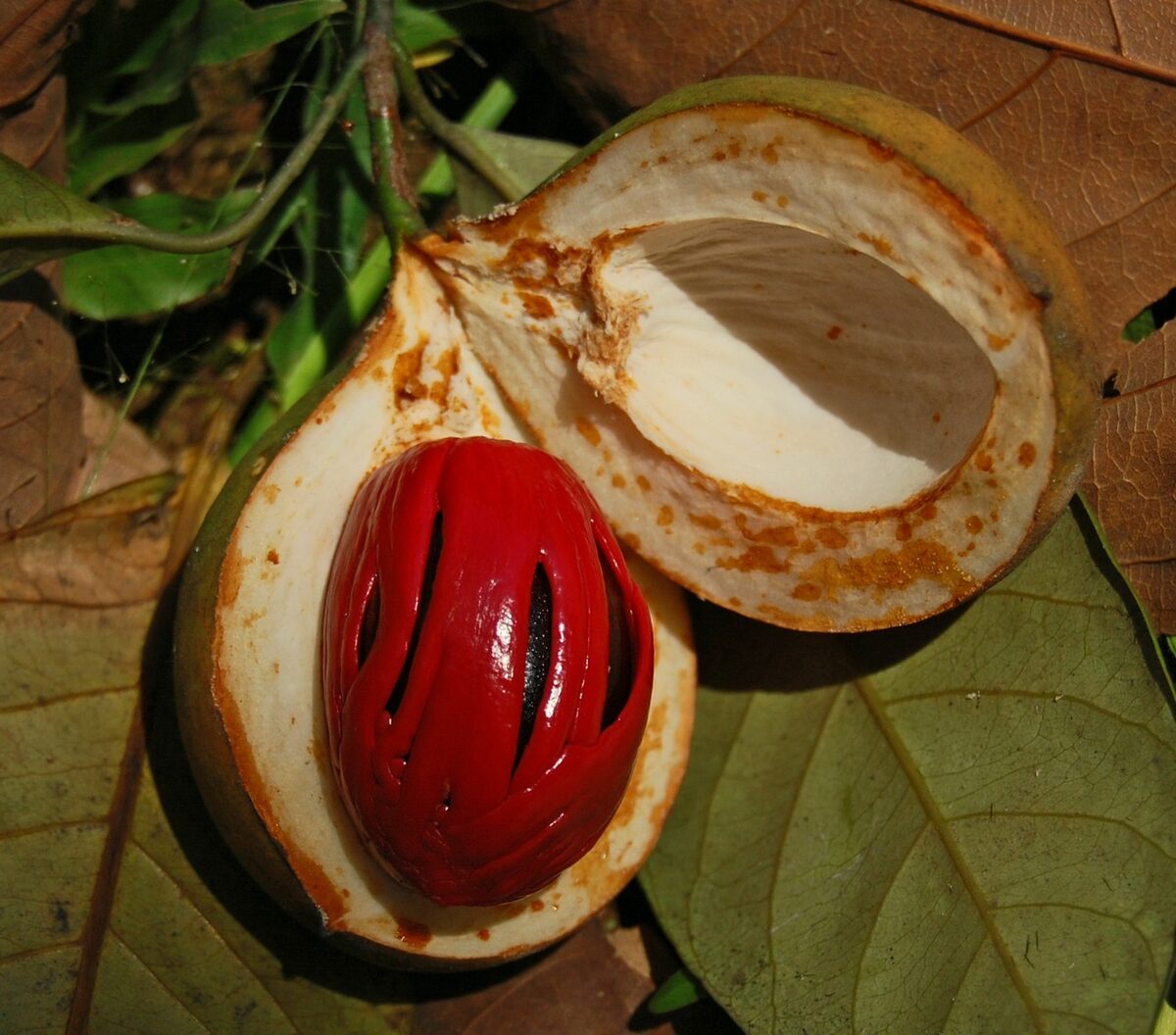
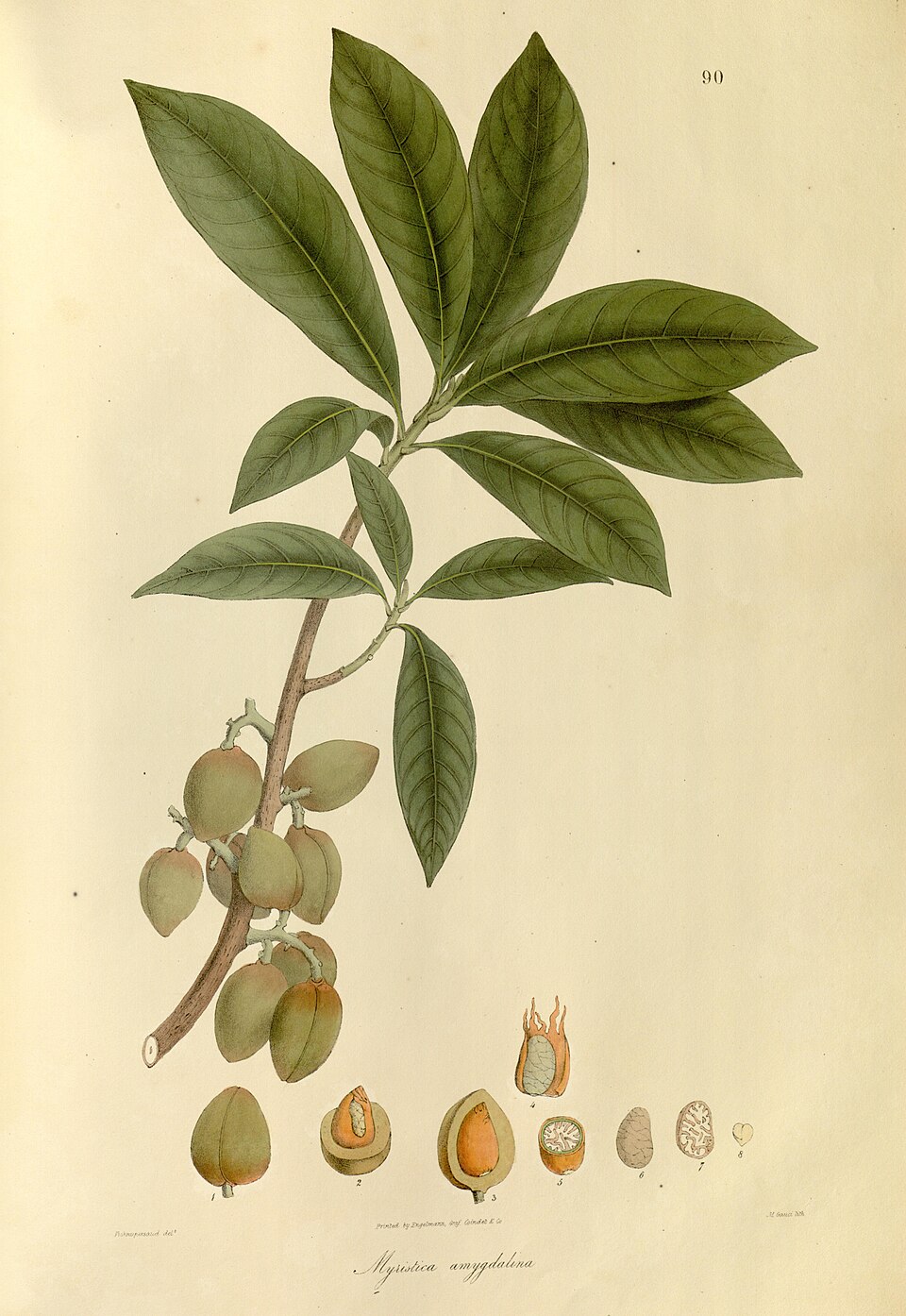
A tree. It grows 15 m tall. The trunks is 10-25 cm across. The bark if grey brown and flaking. Young branches are hairy. The leaves are oval to sword shaped and 10-20 cm long by 2-4 cm wide. They are pale underneath. Male and female flowers are separate. Fruit occur as 1-5 in a group and are narrowly oval. They are 2 cm long by 1 cm wide. They have a red aril covering the seed.
Edible Uses
The seeds are used as a spice.
Traditional Uses
The seed is used as a spice.
This uses section is brief — help expand it
Medicinal Uses
The seeds are used in an externally applied medicine to cure scabies and other skin-diseases.
Distribution
It is a tropical plant. It grows in low hilly forests and moist mountain slopes in southern China. It grows between 200-1,000 m above sea level. In Yunnan.
Where It Grows
Asia, Cambodia, China, India, Indochina, Indonesia, Laos, Malaysia, Myanmar, SE Asia, Singapore, Thailand, Vietnam,
Cultivation
A tree of moist, tropical lowlands, where it can be found at elevations up to 1,200 metres. A dioecious species, both male and female forms need to be grown if fruit and seed are required.
Propagation
Seed - dries out easily, loses its viability rapidly, and cannot be stored. It is best sown in a shaded position in a nursery seedbed - germination is usually fairly quick with the seed of most species sprouting within 2 - 17 weeks. Grow the young plants on in a shady position, planting them out in their permanent positions when large enough.
Other Uses
The seeds contain around 27% fat, which is used in industry. The wood is used for general furniture. It is used for rafters in homes.
Production
In southern China plants flower December to March and fruit July to September.
Synonyms
Also Known As
Mau-cho cau, Sma kro-bey
References (2)
- Seidemann J., 2005, World Spice Plants. Economic Usage, Botany, Taxonomy. Springer. p 192 (As Knema corticosa)
- Van Sam, H. et al, 2004, Trees of Laos and Vietnam: A Field Guide to 100 Economically or Ecologically Important Species. Blumea 29 (2004) 201-349