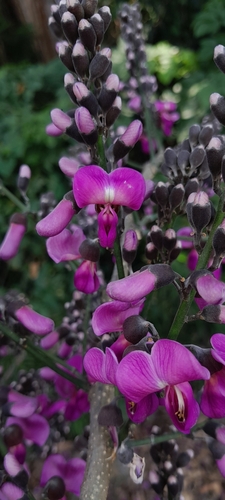
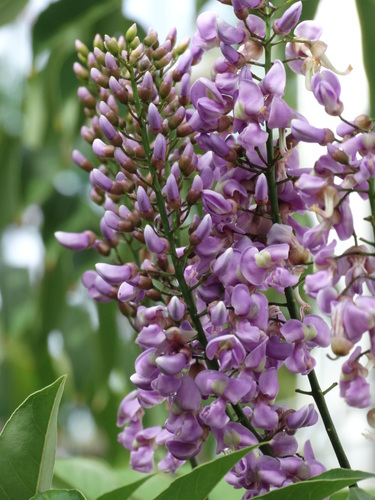
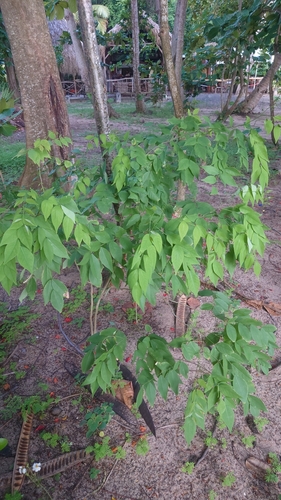
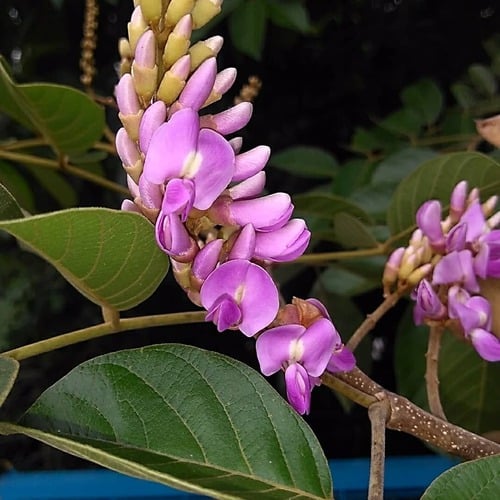
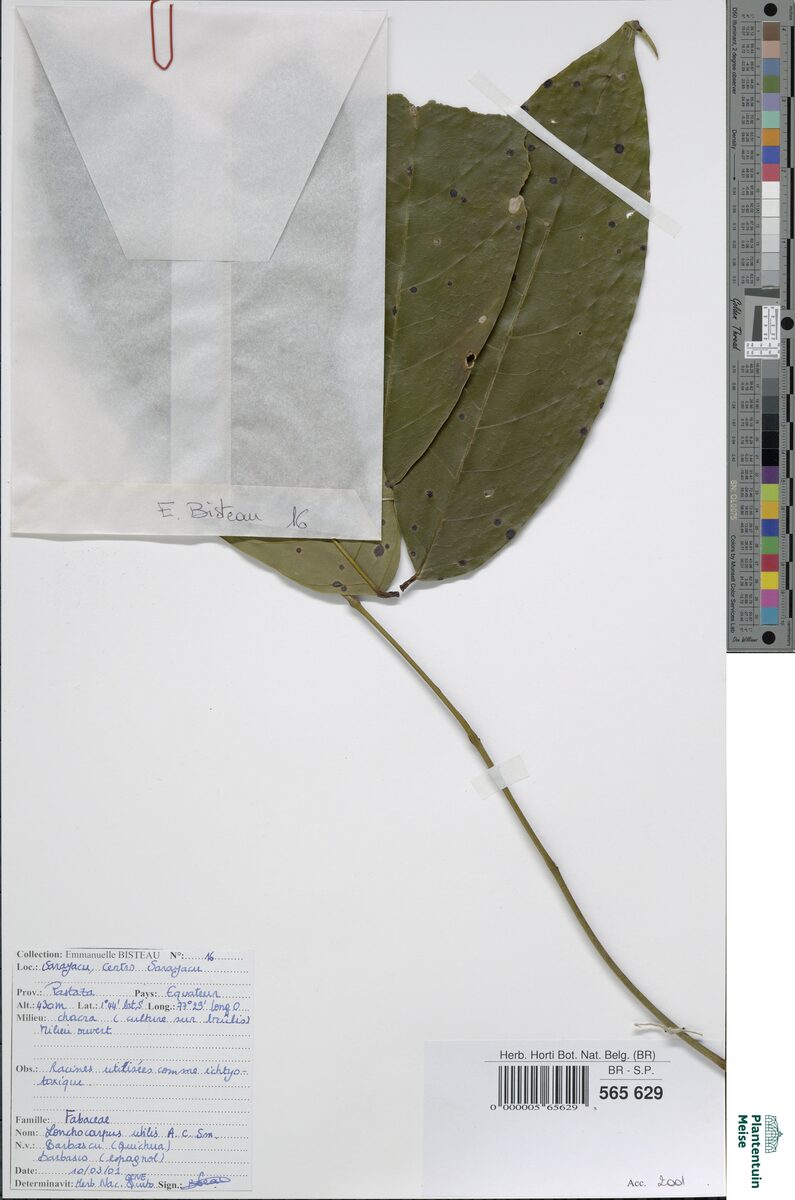
Pisum syriacum
(Berg.) Lehm.
Wild pea
gbif· cc-by
Meise Botanic Garden
gbif· cc-by
Meise Botanic Garden
Description
A Mediterranean herb in the bean family (Fabaceae) with edible fruit and shoots.
This description is brief — help expand it
Edible Uses
Some peas lack the tough membrane inside the pod wall and have tender edible pods, allowing them to be eaten whole. There are two main types: Snow peas have flat pods with thin pod walls. Pods and seeds are eaten when they are very young. Snap peas (also known as sugar snap peas) have rounded pods with thick pod walls. Pods and seeds are eaten before maturity. The name sugar pea can include both types or be synonymous with either snow peas or snap peas in different dictionaries. The term mangetout (; from French: pois mange-tout, 'eat-all pea') is generally used in British English to refer to the snow pea specifically, but may also refer to a snap pea, especially when used in other contexts. Snow peas and snap peas both belong to Macrocarpon Group, a cultivar group based on the variety Pisum sativum var. macrocarpum Ser. named in 1825. It was described as having very compressed non-leathery edible pods in the original publication. In modern times peas are usually boiled or steamed, which breaks down the cell walls and makes them taste sweeter and the nutrients more bioavailable. Along with broad beans and lentils, these formed an important part of the diet of most people in the Middle East, North Africa and Europe during the Middle Ages. By the 17th and 18th centuries, it had become popular to eat peas "green", that is, while they are immature and right after they are picked. New cultivars of peas were developed by the English during this time, which became known as "garden" or "English" peas. The popularity of green peas spread to North America. Thomas Jefferson grew more than 30 cultivars of peas on his estate. With the invention of canning, peas were one of the first vegetables to be canned. Fresh peas are often eaten boiled and flavored with butter or spearmint as a side dish vegetable. Salt and pepper are also commonly added to peas when served. Fresh peas are also used in pot pies, salads and casseroles. Pod peas (snow peas and snap peas) are used in stir-fried dishes, particularly those in American Chinese cuisine. Pea pods do not keep well once picked, and if not used quickly, are best preserved by drying, canning or freezing within a few hours of harvest. Dried peas are often made into a soup or simply eaten on their own. In Japan, China, Taiwan and some Southeast Asian countries, including Thailand, the Philippines and Malaysia, peas are roasted and salted, and eaten as snacks. In the Philippines, peas, while still in their pods, are a common ingredient in viands and pansit. In the UK, dried yellow or green split peas are used to make pease pudding (or "pease porridge"), a traditional dish. In North America, a similarly traditional dish is split pea soup. Pea soup is eaten in many other parts of the world, including northern Europe, parts of middle Europe, Russia, Iran, Iraq and India. In India, fresh peas are used in various dishes such as aloo matar (curried potatoes with peas) or mattar paneer (paneer cheese with peas), though they can be substituted with frozen peas as well. Peas are also eaten raw, as they are sweet when fresh off the bush. Green peas known as hasiru batani in Kannada are used to make curry and gasi. Split peas are also used to make dal, particularly in Guyana, and Trinidad, where there is a significant population of Indians. In Chinese cuisine, the tender new growth [leaves and stem] dou miao (豆苗; dòu miáo) are commonly used in stir-fries. Much like picking the leaves for tea, the farmers pick the tips off of the pea plant. In Greece, Tunisia, Turkey, Cyprus, and other parts of the Mediterranean, peas are made into a stew with lamb and potatoes. In Hungary and Serbia, pea soup is often served with dumplings and spiced with hot paprika. In the United Kingdom, dried, rehydrated and mashed marrowfat peas, or cooked green split peas, known as mushy peas, are popular, originally in the north of England, but now ubiquitously, and especially as an accompaniment to fish and chips or meat pies, particularly in fish and chip shops. Sodium bicarbonate is sometimes added to soften the peas. In 2005, a poll of 2,000 people revealed the pea to be Britain's seventh favourite culinary vegetable. Processed peas are mature peas which have been dried, soaked and then heat treated (processed) to prevent spoilage—in the same manner as pasteurizing. Cooked peas are sometimes sold dried and coated with wasabi, salt, or other spices. In North America pea milk is produced and sold as an alternative to cow milk for a variety of reasons.
Known Hazards
Some people experience allergic reactions to peas, with vicilin or convicilin as the most common allergens.
Distribution
It is a Mediterranean plant.
Where It Grows
Jordan, Middle East,
References (1)
- Tukan, S. K., et al, 1998, The use of wild edible plants in the Jordanian diet. International Journal of Food Sciences and Nutrition. 49:225-235