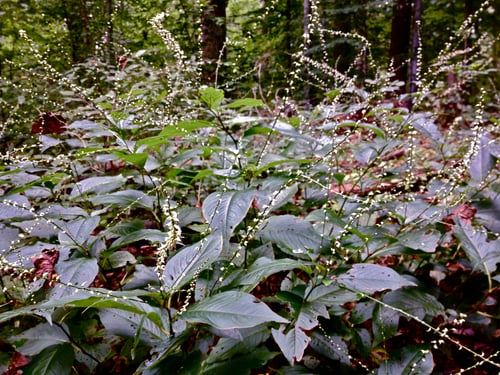
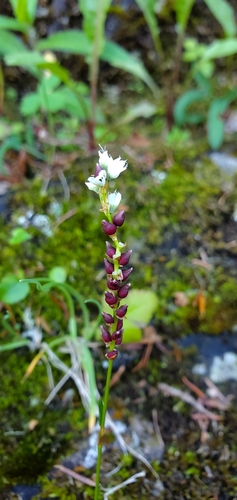
Fagopyrum acutatum
(Lehm.) Mansf. ex K. Hammer
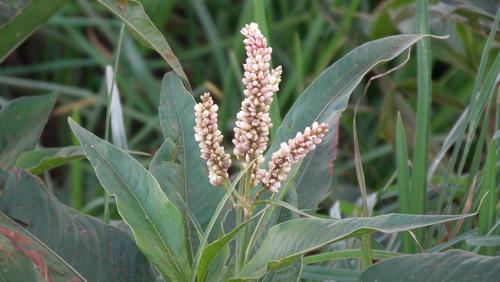
iNaturalist· cc-by
(c) Ramnarayan K, some rights reserved (CC BY)
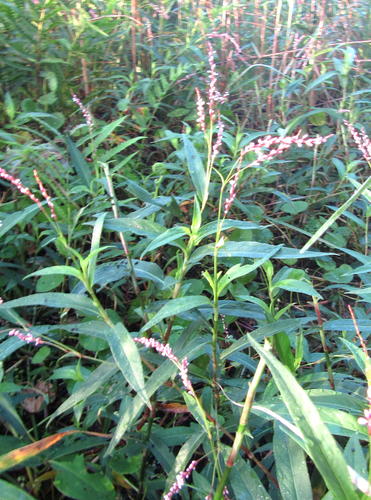
iNaturalist· cc-by
(c) Ramnarayan K, some rights reserved (CC BY)
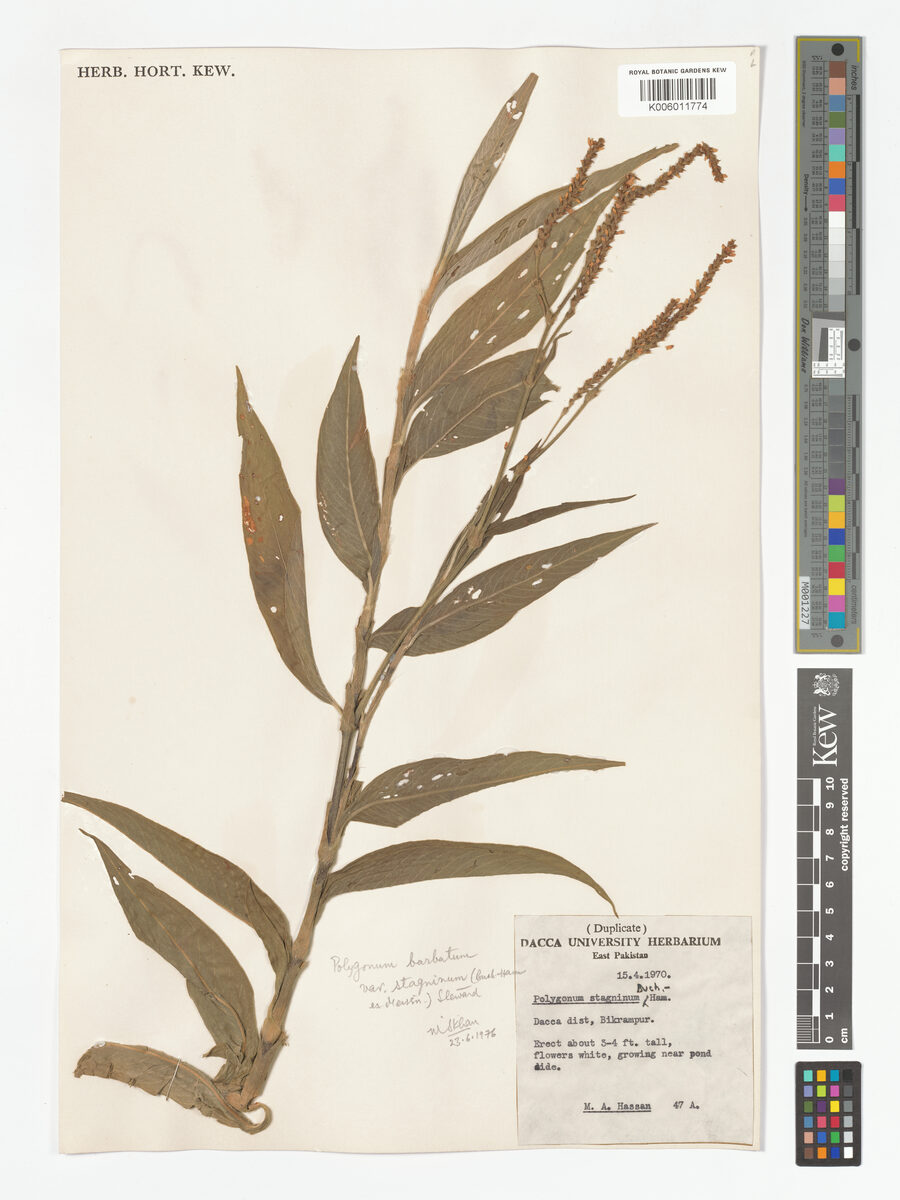
iNaturalist· cc-by
(c) Ramnarayan K, some rights reserved (CC BY)
Description
A temperate herbaceous plant in the Polygonaceae family found in high-altitude regions of the northeastern Indian Himalayas, growing between 2,200–3,700 m above sea level.
Edible Uses
The leaves are cooked as a vegetable. The seeds are sprouted and eaten as a cereal, or ground into flour and used as a thickening agent in soups.
Traditional Uses
The leaves are cooked as a vegetable. The seeds are sprouted and used as a cereal and also ground into flour and used as a thickening agent in soup.
Distribution
It is a temperate plant. In Northeastern India it grows between 2,200-2,400 m above sea level. In the Indian Himalayas it grows at 3,700 m above sea level.
Where It Grows
Asia, China, Himalayas, India, Northeastern India, Tibet,
Synonyms
Also Known As
Ja-rian, Phaphru, Temo, Van shatawari, Ye-lo-pu
References (7)
- Bhatia, H., et al, 2018, Traditionally used wild edible plants of district Udhampur, J&K, India. Journal of Ethnobiology and Ethnomedicine (2018) 14:73
- Ding, X., 2021, Collection calendar: the diversity and local knowledge of wild edible plants used by Chenthang Sherpa people to treat seasonal food shortages in Tibet, China. Journal of Ethnobiology and Ethnomedicine 17:40
- Li, S., et al, 2020, Monpa, memory, and change: an ethnobotanical study of plant use in Mêdog County, South-east Tibet, China. Journal of Ethnobiology and Ethnomedicine. (2020) 16:5 p 22
- Sawian, J. T., et al, 2007, Wild edible plants of Meghalaya, North-east India. Natural Product Radiance Vol. 6(5): p 420 (As Polygonum dibotrys)
- Sharma, L. et al, 2018, Diversity, distribution pattern, endemism and indigenous uses of wild edible plants in Cold Desert Biosphere Reserve of Indian Trans Himalaya. Indian Journal of Traditional Knowledge. Vol 17(1) January 2018 pp 122-131
Show all 7 references Hide references
- Tsering, J., et al, 2017, Ethnobotanical appraisal on wild edible plants used by the Monpa community of Arunchal Pradesh. Indian Journal of Traditional Knowledge. Vol 16(4), October 2017, pp 626-637
- Wild edible plants of Himachal Pradesh