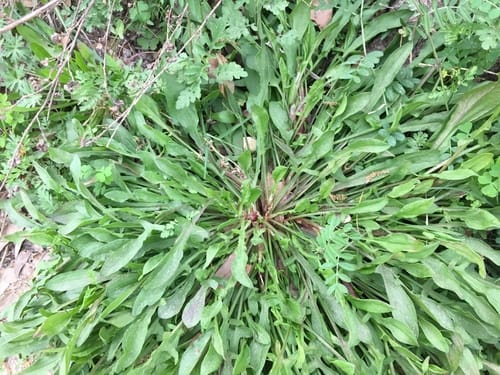
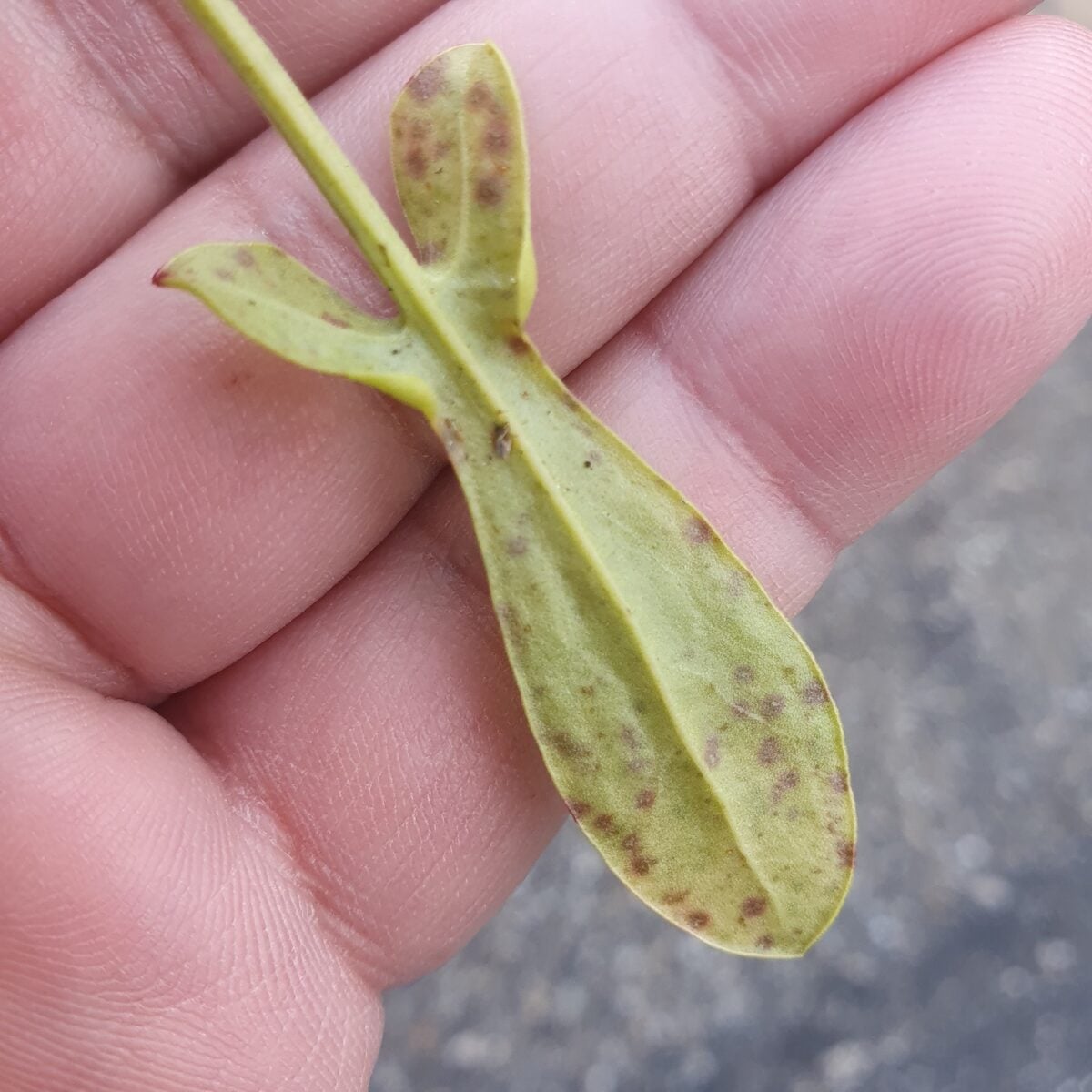
Persicaria senegalensis
(Meisn.) Sojak
Silver snake root
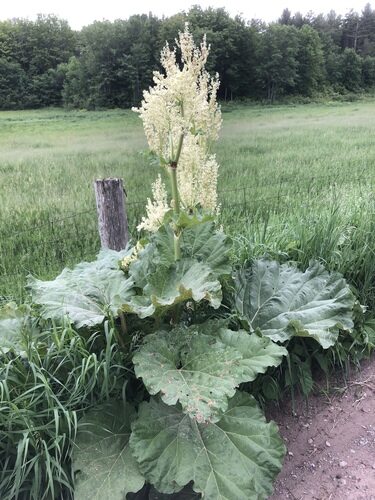
iNaturalist· cc-by
(c) Shaun Swanepoel, some rights reserved (CC BY), uploaded by Shaun Swanepoel
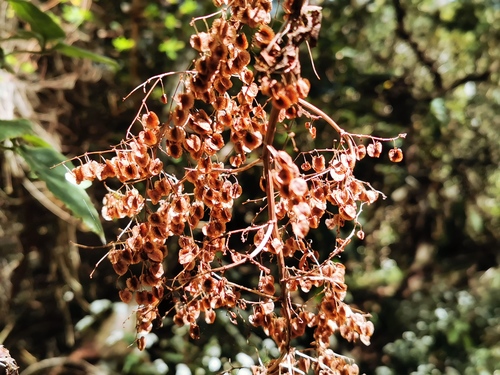
iNaturalist· cc-by-nc
(c) Sylvain Piry, some rights reserved (CC BY-NC), uploaded by Sylvain Piry
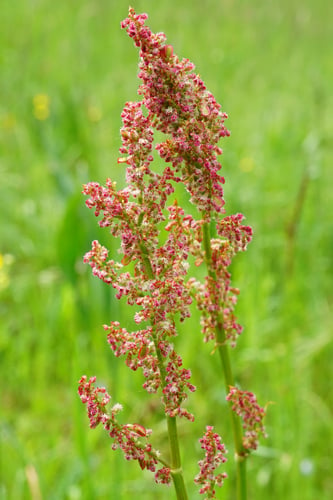
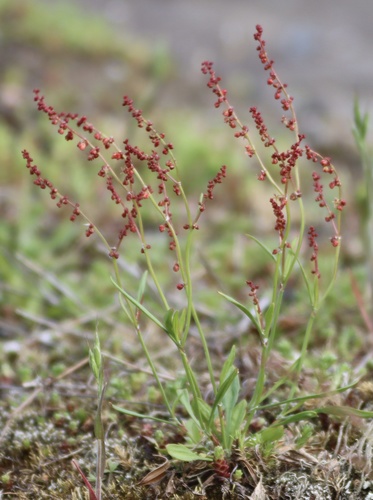
iNaturalist· cc-by-nc
(c) Phil White, some rights reserved (CC BY-NC), uploaded by Phil White
Summary
Source: WikipediaPersicaria senegalensis is a species of perennial herb in the family Polygonaceae. They have a self-supporting growth form and simple, broad leaves.
Description
A robust herb. It keeps growing from year to year. It grows 3 m tall. The leaves are alternate and bright green. The flowers are in clusters on long spikes. They are pink. The fruit is a shiny black nut.
Edible Uses
The young leaves are cooked and eaten as a vegetable, and the plant is burnt to make a vegetable salt.
Traditional Uses
The young leaves are cooked and eaten as a vegetable. The plant is burnt to make a vegetable salt.
This uses section is brief — help expand it
Medicinal Uses
A decoction of the leaves, combined with other plants, is drunk and also taken by enema as a treatment for syphilis. The pounded leaves are applied to swellings, syphylitic sores or skin affections. The pounded roots are applied to swellings, syphylitic sores or skin affections. An abundance of saponins is present in the leaves. A crude water extract of the plant killed the freshwater snails Lymnae natalensis and Biomphalaria pfeifferi, and so may be of value in controlling certain water-borne diseases.
Known Hazards
The roots are said to be toxic.
Distribution
It is a tropical plant. It grows in standing water. It grows between 400-3,000 m above sea level.
Where It Grows
Africa, Botswana, Burkina Faso, Central Africa, Congo, East Africa, Egypt, Eswatini, Ethiopia, Guinea, Guinée, Guinea-Bissau, Kenya, Madagascar, Malawi, Mozambique, North Africa, Senegal, Sierra Leone, South Africa, Southern Africa, Swaziland, Tanzania, West Africa, Zambia, Zimbabwe,
Propagation
Seed - sow in situ. Germination is usually free and easy.
Other Uses
A black dye is prepared from the roots.
Synonyms
References (10)
- Busson, 1965,
- Glover et al, 1966b,
- Grubben, G. J. H. and Denton, O. A. (eds), 2004, Plant Resources of Tropical Africa 2. Vegetables. PROTA, Wageningen, Netherlands. p 414
- Long, C., 2005, Swaziland's Flora - siSwati names and Uses http://www.sntc.org.sz/flora/
- Mutie, F. M., et al, 2023, Important Medicinal and Food Taxa (Orders and Families) in Kenya, Based on Three Quantitative Approaches. Plants 2023, 12, 1145
Show all 10 references Hide references
- Peters, C. R., O'Brien, E. M., and Drummond, R.B., 1992, Edible Wild plants of Sub-saharan Africa. Kew. p 162
- Pickering, H., & Roe, E., 2009, Wild Flowers of the Victoria Falls Area. Helen Pickering, London. p 98
- Scudder, 1962, 1971,
- Swaziland's Flora Database http://www.sntc.org.sz/flora
- World Checklist of Useful Plant Species 2020. Royal Botanic Gardens, Kew