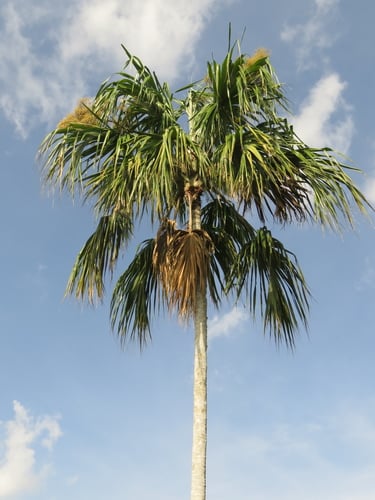
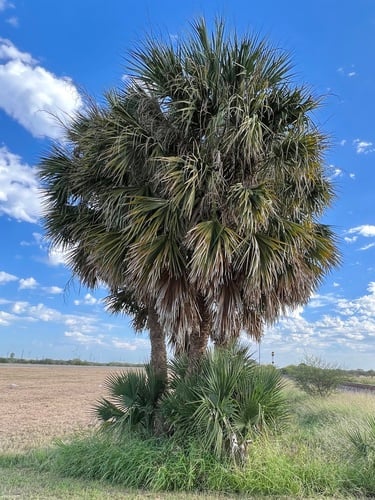
Chamaedorea oblongata
Mart.
Pacayita palm, Tepijilote palm
iNaturalist· cc-by-nc
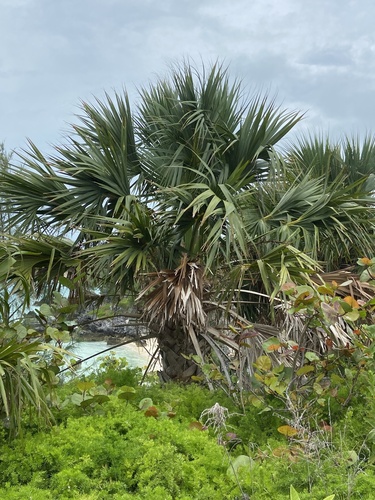
(c) Juan Carlos López Domínguez, some rights reserved (CC BY-NC), uploaded by Juan Carlos López Domínguez
iNaturalist· cc-by-nc-sa
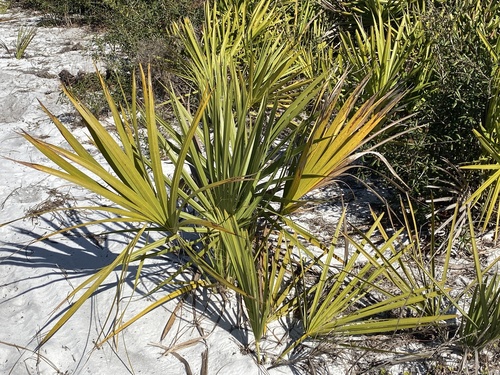
(c) Emmanuel Guevara Lazcano, some rights reserved (CC BY-NC-SA)
iNaturalist· cc-by-nc
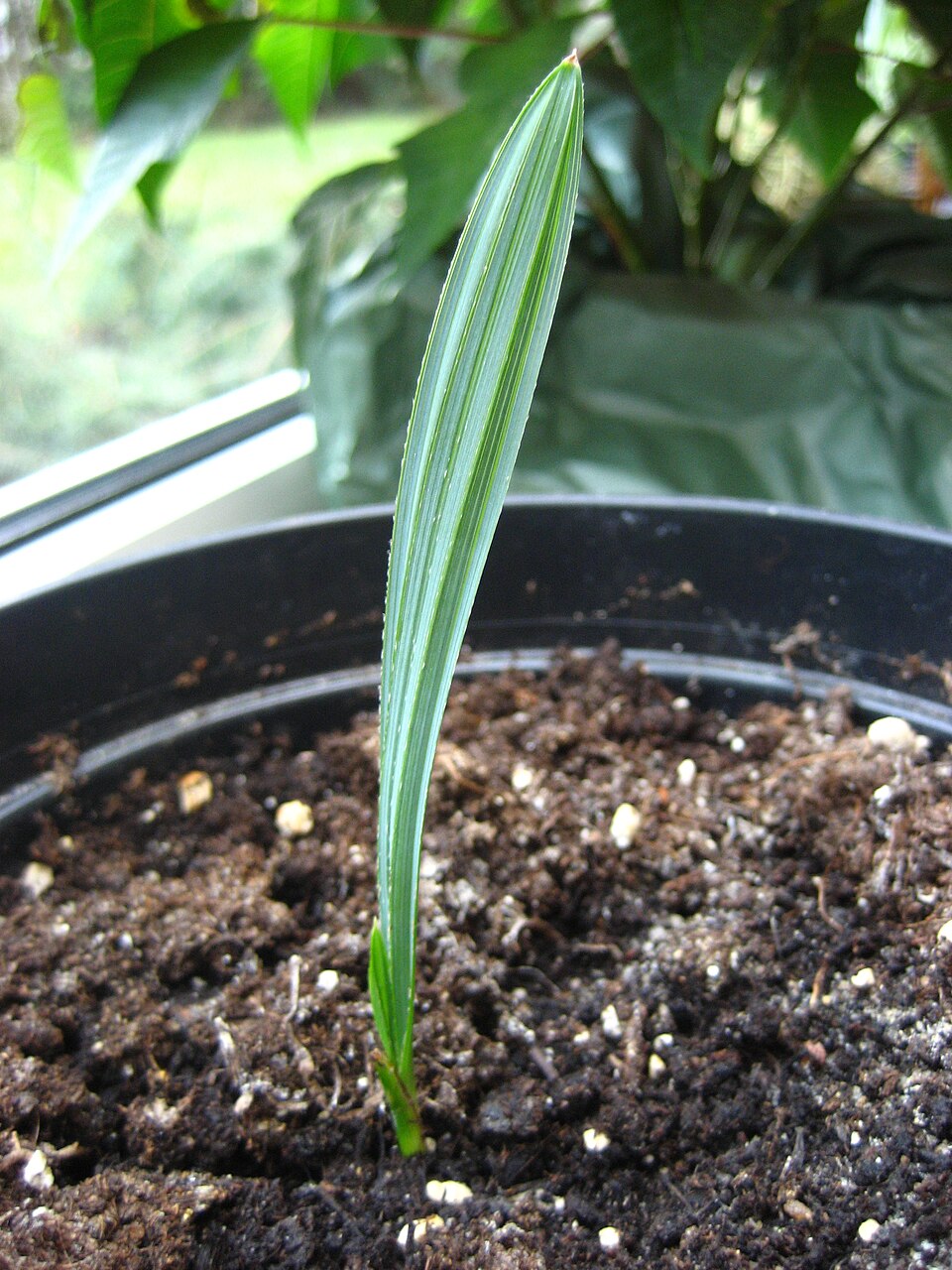
(c) José Javier Barrios Flores, some rights reserved (CC BY-NC)
Description
A solitary palm. It grows 1-3 m tall. The stems are 1-2.5 cm across. There are 3-8 leaves in the crown. The leaves have leaflets along the stalk. There are 3-9 cm on each side. They are thick and leathery. They are sword shaped to oblong. The flowering shoots are erect. The fruit are oval and 0.8-1.4 cm long by 06-0.8 cm wide.
Edible Uses
The inside of the leaf base is eaten raw.
Traditional Uses
The inside of the leaf base is eaten raw.
This uses section is brief — help expand it
Distribution
It is a tropical plant. It grows in lowland forests and up to 350 m above sea level. In Townsville palmetum.
Where It Grows
Asia, Australia, Central America*, Guatemala, Indonesia, Mexico, Nicaragua, SE Asia,
Cultivation
Plants can be eaten raw.
Synonyms
Also Known As
Litampa, Palem pakayita
References (3)
- Piedra-Malagón, E. M. et al, 2022, Edible native plants of the Gulf of Mexico Province. Biodiversity Data Journal 10: e80565 p 11
- Reis, S. V. and Lipp, F. L., 1982, New Plant Sources for Drugs and Foods from the New York Botanical Garden herbarium. Harvard. p 18 (As Chamaedorea fusca)
- Sukarya, D. G., (Ed.) 2013, 3,500 Plant Species of the Botanic Gardens of Indonesia. LIPI p 768