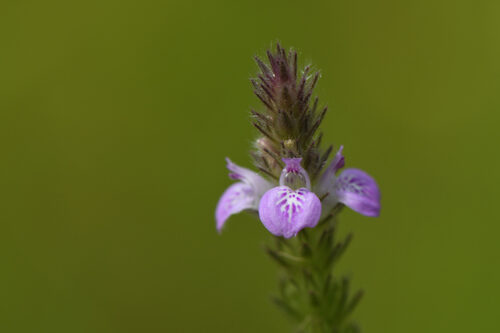
Justicia tenella
(Nees) T. Anderson
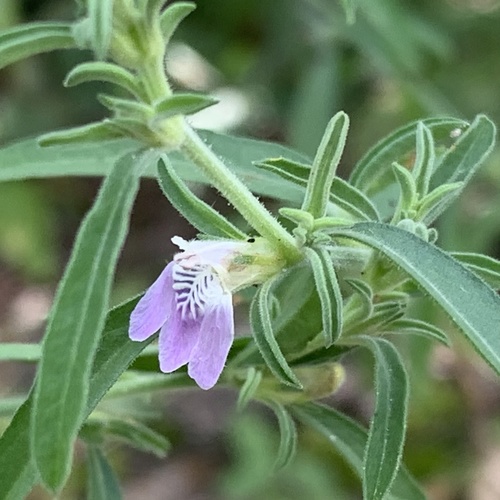
iNaturalist· cc-by-nc
(c) Bart Wursten, some rights reserved (CC BY-NC), uploaded by Bart Wursten
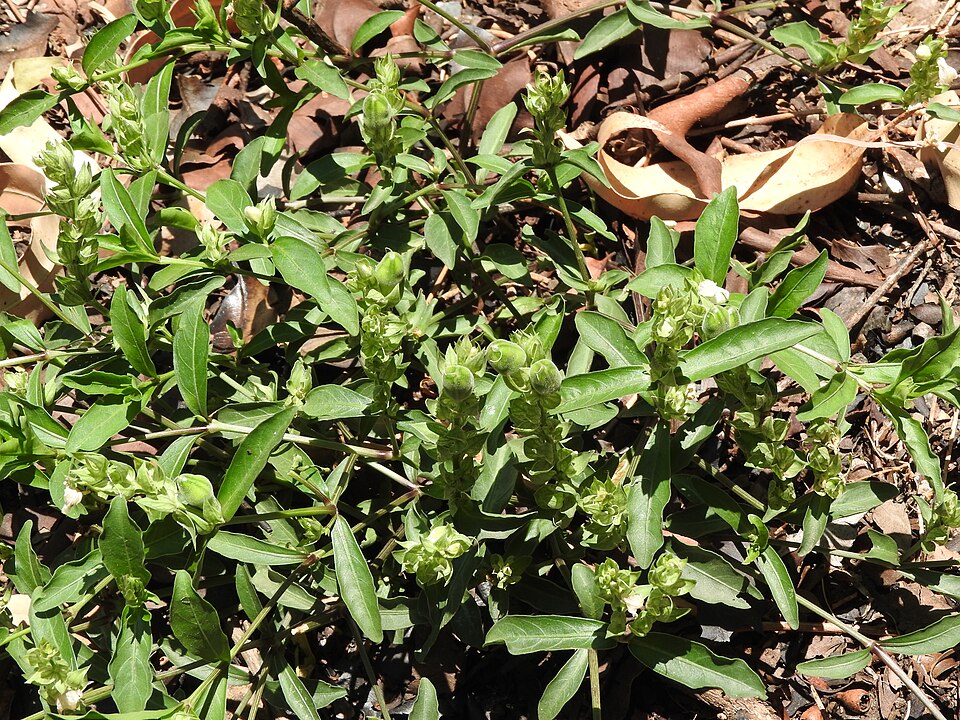
iNaturalist· cc-by-nc
(c) Ganjar Cahyadi, some rights reserved (CC BY-NC)
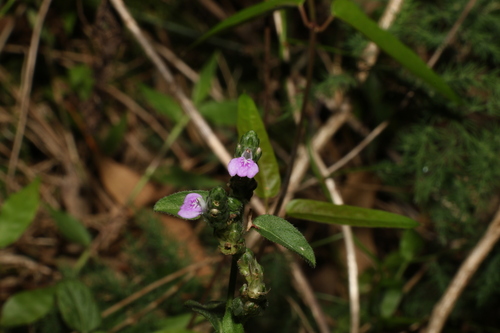
iNaturalist· cc-by-nc
(c) Bart Wursten, some rights reserved (CC BY-NC)
Description
A herb. It keeps growing from year to year. The stems are spindly and 40 cm long. It can keep growing for a few years. It often forms roots at the lower nodes. Probably now Anisostachya tenella (Nees) Lindau;
Edible Uses
The leaves are used as a vegetable and represent a major leafy vegetable in northwest Benin, where it is sold in markets.
Traditional Uses
The leaves are used as a vegetable.
This uses section is brief — help expand it
Distribution
It is a tropical plant. It often grows along rivers and in moist forest. It grows in savannah and palm groves.
Where It Grows
Africa, Benin, Burkina Faso, Ghana, Guinea, Guinée, Guinea-Bissau, Madagascar, Nigeria, Sao Tome and Principe, West Africa,
Cultivation
It can be grown from seeds or cuttings.
Propagation
Seed - Cuttings. Stems often form roots at their lower nodes and these can be used to form new plants.
Other Information
It is a major leafy vegetable in NW Benin. It is sold in markets.
Synonyms
Also Known As
Atchelikema, Dimouniontchoro, Djagudjagu, Dogbo-ountakoui, Kourokountonu, Kurokuntonu, Kurokuro, Parbatukpekperiya, Tiletoussi, Tinoukounti
References (10)
- Achigan-Dako, E, et al (Eds), 2009, Catalogue of Traditional Vegetables in Benin. International Foundation for Science.
- Achigan-Dako, E. G., et al, 2011, Diversity, Geographical and Consumption Patterns of Traditional Vegetables in Benin. Economic Botany. 65(2), pp 129-145
- Achigan-Dako, E. G., et al, (Eds.), 2010. Traditional vegetables in Benin. Institut National des Recherches Agricoles du Bénin. Imprimeries du CENAP, Cotonou. p 89
- Adeoti, K., et al, 2011, Assessment of genetic diversity among accessions of two traditional leafy vegetables (Acmella uliginosa L.) and Justicia tenella (Nees)consumed in Benin. African Journal of Biotechnology Vo. 10(15): pp 2811-2819
- Avouhou, H. T., et al, 2012, Ethnobotanical Factors Influencing the Use and Management of Wild Edible Plants in Agricultural Environments in Benin. Ethnobotany Research & Applications Vol 10:571-592
Show all 10 references Hide references
- Dansi, A., et al, 2008, Traditional leafy vegetables and their use in the Benin Republic. Genet Resour Crop Evol (2008) 55:1239–1256
- Dansi, A., et al, 2012, Diversity of the Neglected and Underutilized Crop Species of Importance in Benin. The Scientific World Journal. Volume 2012, Article ID 932947, 19 pages
- Koukou, E., et al, 2022, Local knowledge of agricultural biodiversity and food uses in two agroecological zones of southern Benin. Ethnobotany Research and Applications 23:29 (2022) p 6 (As Anisostachya tenella)
- Nyadanu, D., et al, 2015, Agro-biodiversity and challenges of on-farm conservation: the case of plant genetic resources of neglected and underutilized crop species in Ghana. Genet. Resourc. Crop Evol. 62(7):
- Segnon, A. C. and Achigan-Dako, E. G., 2014, Comparative analysis of diversity and utilization of edible plants in arid and semi-arid areas in Benin. Journal of Ethnobiology and Ethnomedicine. 10:80