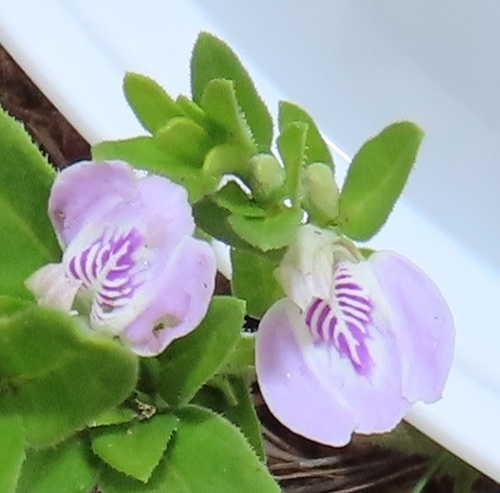
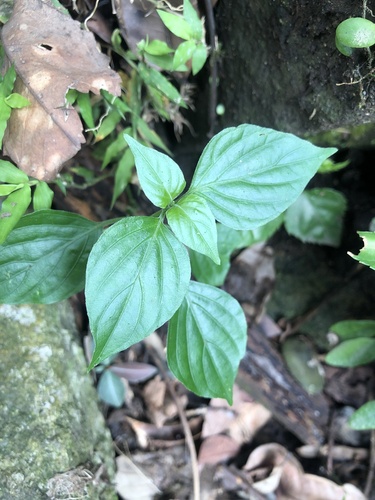
Rostellularia procumbens
Nees
Carp scale
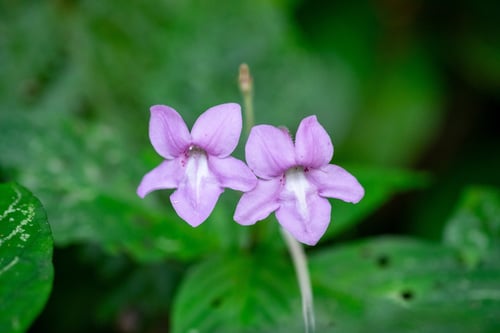
iNaturalist· cc-by-nc-sa
(c) Kuan-Chieh (Chuck) Hung, algunos derechos reservados (CC BY-NC-SA), subido por Kuan-Chieh (Chuck) Hung
iNaturalist· cc0
no hay derechos reservados, subido por Takashi KOIKE
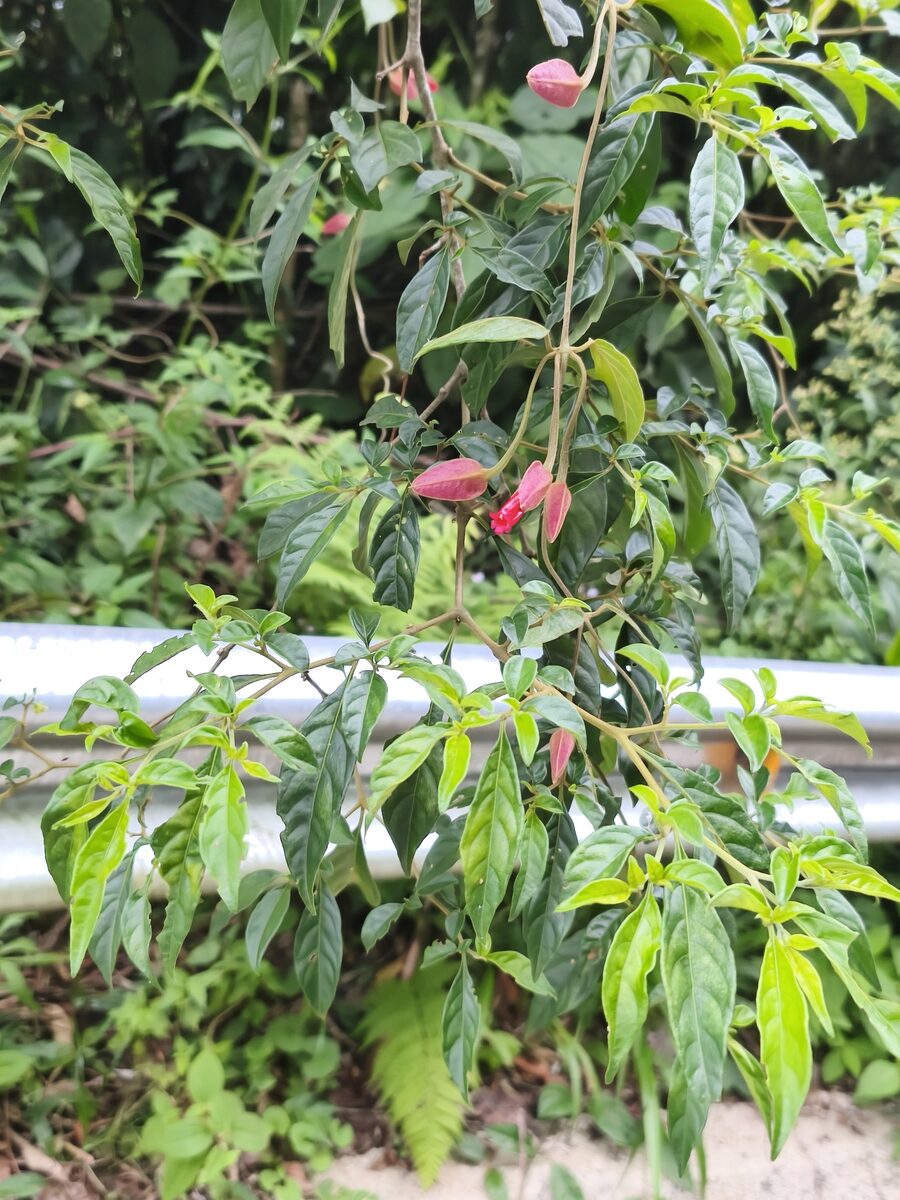
iNaturalist· cc-by-nc
(c) MP Zhou, some rights reserved (CC BY-NC)
Summary
Source: WikipediaRostellularia procumbens, commonly known as water willow (Marathi: करंबल, romanized: Karambal, पित्तपापडा, Pitpapada, कलमाशी, Kalmashi,Tamil: கோடகசாலை, romanized: Kōṭakacālai), is a small flowering plant belonging to the Acanthaceae family. It is native to the Indian subcontinent, Indochina, China, Peninsular Malaysia, Sumatra, Java, Sulawesi, the Philippines, Japan, and Korea. It is found in higher elevations, commonly in humid areas. The leaves' juice can be squeezed in the eyes in cases of ophthalmia.
Description
A small tropical herb in the Acanthaceae family with edible leaves. It is used as a famine food in tropical regions.
This description is brief — help expand it
Edible Uses
The leaves are eaten with oil and salt and used to flavour bamboo shoots.
Traditional Uses
The leaves are eaten with oil and salt. They are used to flavour bamboo shoots.
This uses section is brief — help expand it
Distribution
A tropical plant.
Where It Grows
Asia, China, Malaysia, SE Asia,
Other Information
It is a famine food.
Notes
There are 20 Rostellularia species.
Synonyms
References (5)
- Burkill, I.H., 1966, A Dictionary of the Economic Products of the Malay Peninsula. Ministry of Agriculture and Cooperatives, Kuala Lumpur, Malaysia. Vol 2 (I-Z) p 1949 (Rostellaria procumbens)
- READ
- Setiya, A. V., et al, 2016, Exploration and documentation of some wild edible plants used by the aboriginals from Gadchiroli District (M.S.) India. International Advanced Research Journal in Science, Engineering and Technology. 3(7)
- WATT
- World Checklist of Useful Plant Species 2020. Royal Botanic Gardens, Kew