Apuleia ferrea
(Mart.) Baill.
Brazilian ironwood
gbif· cc-by-nc
GBIF
Description
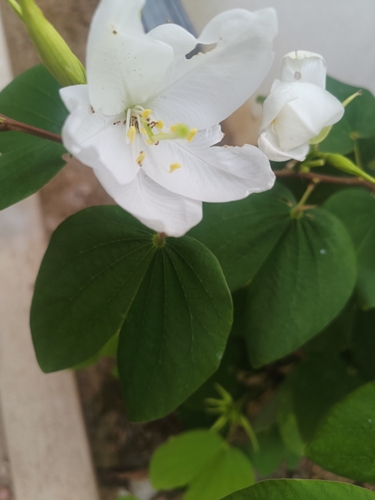
A tree. The trunk can be 12-15 m tall. The leaves are 12 cm long and have leaflets along the stalk. There are 5-18 leaflets.
This description is brief — help expand it
Edible Uses
The fruit pulp is eaten.
Traditional Uses
The pulp of the fruit is eaten.
This uses section is brief — help expand it
Medicinal Uses
In the Amazon region, Libidibia ferrea has extensive use in popular medicine, known mainly as "jucá", being indicated to treat several health conditions, in the form of teas and infusions to treat bronchopulmonary conditions, diabetes, rheumatism, cancer, disorders gastrointestinal, diarrhea; in addition to topical treatment of wounds and bruises. Although it has many indications of use for treating different diseases, jucá pods are mainly used by the Amazon people for the treatment of wounds, usually in alcoholic solution, and scientific studies have already shown the healing activity of different parts of jucá in different animal species, such as goats, rats and donkeys. A recent study that compared different formulations and concentrations of the ethanolic extract from jucá (Libidibia ferrea) pods showed that the natural products showed excellent healing activity in open dermal wounds in dogs, and also had moderate in vitro antimicrobial activity.
Distribution
It is a tropical plant. It is best in rich, moist, well-drained soil.
Where It Grows
Argentina, Bolivia, Brazil, Colombia, Ecuador, Paraguay, Peru, South America,
Notes
In the Caesalpinaceae. There may only be one Apuleia species Apuleia leiocarpa (Vogel) J. F. Macbr.
Synonyms
Also Known As
Juca, Pau ferro
References (2)
- Kermath, B. M., et al, 2014, Food Plants in the Americas: A survey of the domesticated, cultivated and wild plants used for Human food in North, Central and South America and the Caribbean. On line draft. p 79
- Martin, F. W., et al, 1987, Perennial Edible Fruits of the Tropics. USDA Handbook 642 p 95