Intsia bijuga - (Colebr.) Kuntze
(Colebr.) Kuntze
Moluccan Ironwood, Ipil
gbif· cc-by-nc
Simone Orsenigo
gbif· cc-by-nc
Simone Orsenigo
gbif· cc-by-nc
HP Lim
Description
Intsia bijuga is an evergreen Tree growing to 25 m (82ft) by 25 m (82ft) at a slow rate. See above for USDA hardiness. It is hardy to UK zone 10. The flowers are pollinated by Bees, Insects. It can fix Nitrogen. Suitable for: light (sandy) and medium (loamy) soils and prefers well-drained soil. Suitable pH: mildly acid, neutral and basic (mildly alkaline) soils and can grow in very acid and saline soils. It can grow in semi-shade (light woodland) or no shade. It prefers dry or moist soil and can tolerate drought. The plant can tolerate maritime exposure.
Edible Uses
The seeds can be eaten after careful preparation. They are traditionally soaked in salt water for 3 - 4 days and then boiled. It is a famine food. Fruit may be poisonous.
Medicinal Uses
Antidiarrhoeal Antirheumatic Dysentery Urinary. The bark is used in treating persons suffering from a urinary condition (characterised by very dark urine). It is also used in the treatment of rheumatism, dysentery and diarrhoea. An infusion of the bark is given to women after delivery.
Distribution
E. Africa; E. Asia - India, Myanmar, Thailand, Cambodia, Vietnam, Malaysia, Indonesia, Philippines, New Guinea to Australia and the Pacific Islands.
Where It Grows
TEMPERATE ASIA: Taiwan TROPICAL ASIA: India (coastal), Papua New Guinea, Solomon Islands, Cambodia (coastal), Myanmar (coastal), Thailand (south), Vietnam, Indonesia, Malaysia, Philippines PACIFIC: Micronesia, Palau, Fiji, New Caledonia, Vanuatu, Samoa AUSTRALASIA: Australia (Queensland (north)) AFRICA: Tanzania (Zanzibar (incl. Zanzibar)), Madagascar, Seychelles
Cultivation
A plant of the lowland, wet tropics, where it is found at elevations up to 600 metres. It grows best in areas where annual daytime temperatures are within the range 22° - 28°c, but can tolerate 12° - 34°c. It is susceptible to frost. It prefers a mean annual rainfall in the range 2,000 - 3,000mm, but tolerates 1,500 - 4,000mm. Prefers a position in full sun, tolerating some shade. Prefers a very well-drained, fertile soil. Plants are very tolerant of saline soils and salt-laden winds. Prefers a pH in the range 5.5 - 6.5, tolerating 5 - 7. Established plants are moderately drought tolerant. This species is the national tree of the island of Guam. The tree is relatively slow-growing and may attain maturity at 80 years. Plantation-grown trees can reach a height of 8 - 16 metres within 7 - 8 years, with a diameter of about 7.5 - 10cm. The tree produces flowers and fruits throughout the year. This species has a symbiotic relationship with certain soil bacteria, these bacteria form nodules on the roots and fix atmospheric nitrogen. Some of this nitrogen is utilized by the growing plant but some can also be used by other plants growing nearby.
Propagation
Seed - pre-treatment is necessary because of the hard seed coat. This can be done by soaking the seeds for a few minutes in a small amount of boiling water and then leaving them in warm water overnight. The most effective technique is by the use of a file to scrape off the small protrusion of the seed-coat located opposite the hilum. Immersion in concentrated sulphuric acid for a short period also serves the same purpose. Seed may be sown directly in the field, germinating well in full sunlight. Seeds should be planted vertically with the hilum downward, so that the seed coat is shed as the hypocotyl emerges from the soil. Seedlings need high light intensity for optimal growth. They can be transplanted into the field after 3 months. Vegetative propagation by means of 60 cm cuttings in the Philippines, had high mortality rates (62%).
Other Uses
Dye Filter Furniture Mulch Repellent Shelterbelt Soil reclamation Soil stabilization Tannin Wood. Seaside. Coastal street tree. Specimen. Timber tree. Shade tree. Agroforestry Uses: With its extensive root system, it is a suitable tree for soil conservation and reclamation in eroded gullies and in buffer strips along creeks. The tree is also used in water purification. The tree is wind tolerant thus ideal as a windbreak. The average total annual production of leaf fall is 8,789.4 kg/ha with a high leaf litter decomposition rate. Initial tannin content of the leaf litter is the major chemical factor inhibiting decomposition. High uptake of calcium from the subsoil and its enrichment in the surface soil resulted in higher soil pH under the trees. Other Uses: A brown dye is obtained from an oily substance present in the wood and bark. The bark is a source of tannins. The seed oil repels insects and has been used to protect stored products. It is said to compare favourably with neem (Azadirachta indica) extracts. When first harvested, the heartwood is yellowish, then it turns rust-coloured and in time assumes a dark colour resembling that of black walnut; it is clearly demarcated from the 5 - 8cm wide band of sapwood.The texture is rather coarse; the grain straight or interlocked. The wood is heavy; hard to very hard; strong; durable, being resistant to fungi and dry wood borers, and moderately resistant to termites and ocean water - it shows an average service life of 6 - 11.5 years in contact with the ground under tropical conditions and 20 years under temperate conditions. It seasons slowly, with only a slight risk of checking and distortion; once dry it is stable in service. The wood works well but has a fairly high blunting effect, stellite-tipped and tungsten carbide tools are recommended; nailing and screwing are good, but require pre-boring; gluing is correct; the wood takes a very fine polish. The timber is highly prized in its local area, where it is used for heavy construction such as bridge making, power pole cross-arms, railway sleepers, boat building, house post beams and furniture. Other items made from the wood are walking sticks, food bowls, canoes and carvings. It is used in constructing the main hull, masthead, maststep and steering oar of ocean-going canoes. The small branches of felled trees are used as firewood. In former times the tree was considered sacred in Fiji. The bowl for serving the esteemed traditional beverage, yagona, was made from the wood of this tree.
Synonyms
Also Known As
Moluccan Ironwood, Ipil, Ai-besi, Bon, Borneo teak, Choyo, Cohu, Dort, Fara, Faux teck, Fehi, Fesi, Gugura, Huhula, Iban, Ifet, Ifilele, Ifit, Ipil, Kebuk, Kivili, Kohu, Kubok, Kubuk, Kuren, Maka, Malapari, Marbau ayer, Mboan, Menau, Merbau asam, Merbau changkat, Merbau laut, Mityanmis, Moluccan ironwood, N'tor, Nator, Natora, Nkengia, Nyia nwola, Pra du tale, Rurula, Show, Thort, Tor, Tora, Tuamis, U'ula, Vehi, Vei, Vesi dina, Vesi, Vesiwai, Wantal, Zolt, Zort, johnstone river-teak, merbau, tashiro-mame, pacific-teak, scrub-mahogany, vesi.
More from Fabaceae
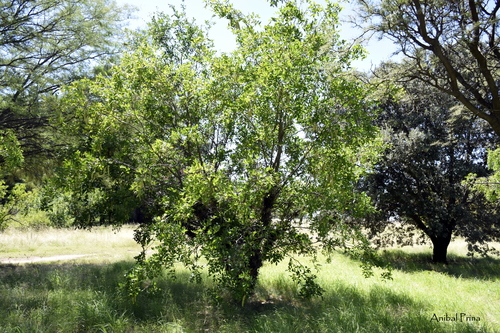
Gleditsia koraiensis
Korean Honey Locust
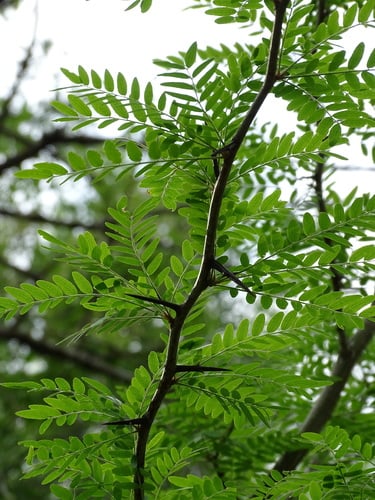
Gleditsia sinensis
Chinese honey locust, Soap bean tree, Soap pod, Chinese soap-pod tree, Chinese locust
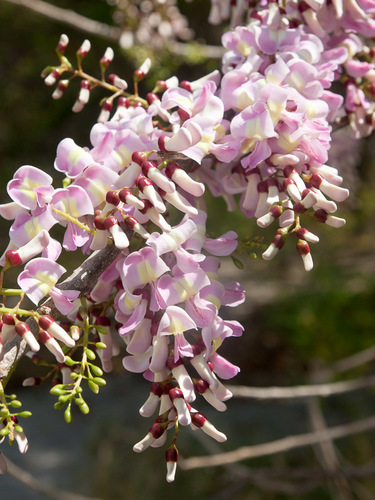
Gleditsia triacanthos
Honey locust, Thorny locust
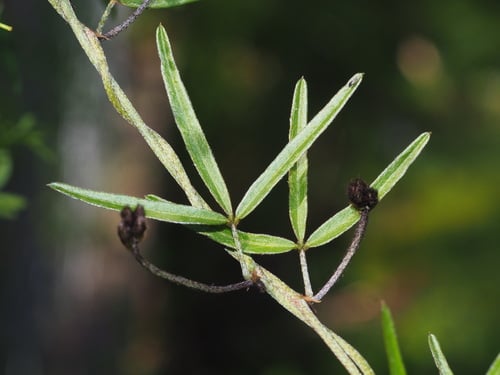
Gliricidia sepium
Mother-of-cacao
Glycine clandestina
Twining Glycine, Lover’s Twine
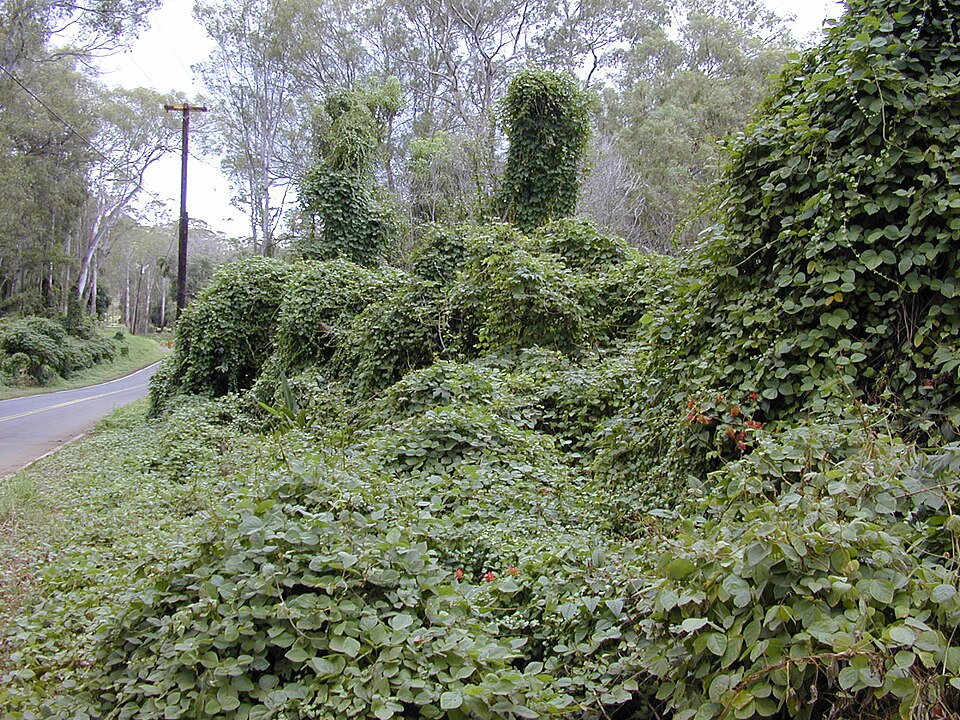
Glycine laurentii