Intsia palembanica
Miq.
Borneo Teak, Merbau
iNaturalist· cc-by-nc
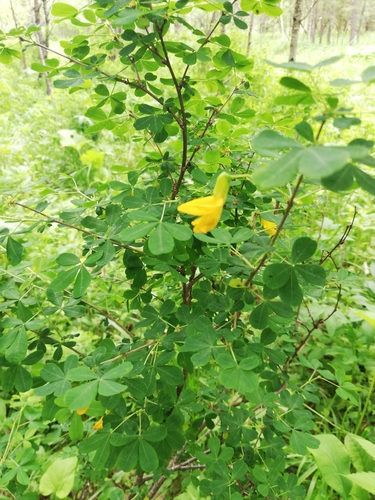
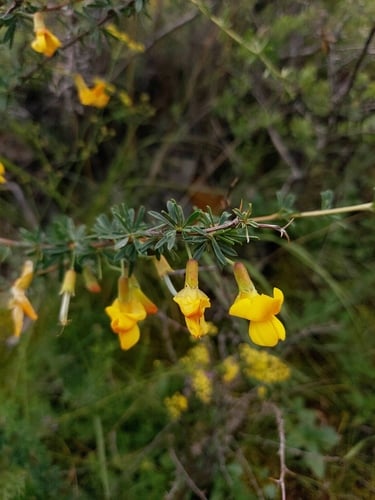
(c) febri_hermawan, some rights reserved (CC BY-NC), uploaded by febri_hermawan
iNaturalist· cc-by-nc-sa
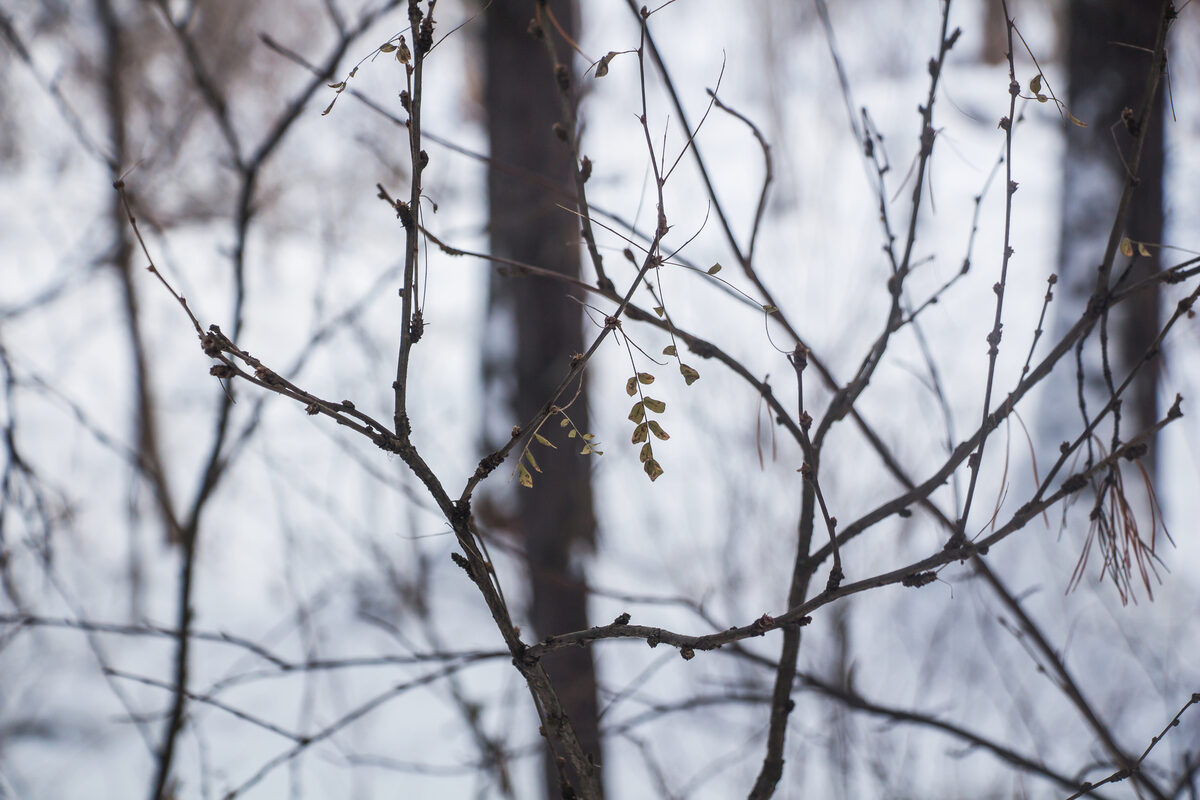
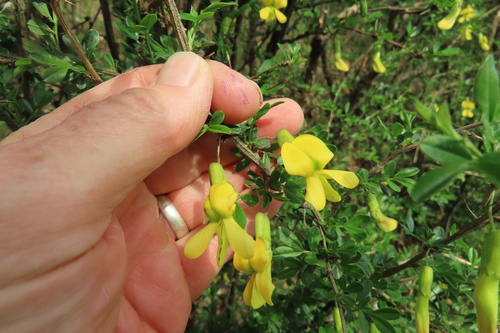
(c) Yanuar Ishaq Dc, some rights reserved (CC BY-NC-SA), uploaded by Yanuar Ishaq Dc
iNaturalist· cc-by-nc-sa
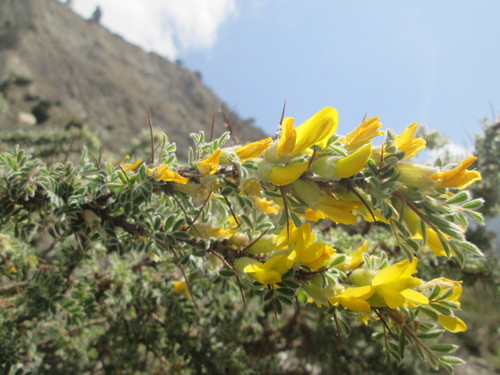
(c) Yanuar Ishaq Dc, some rights reserved (CC BY-NC-SA), uploaded by Yanuar Ishaq Dc
Description
Intsia palembanica is an evergreen Tree growing to 80 m (262ft) by 60 m (196ft) at a slow rate. See above for USDA hardiness. It is hardy to UK zone 10. The flowers are pollinated by Bees, Insects. It can fix Nitrogen. Suitable for: light (sandy) and medium (loamy) soils and prefers well-drained soil. Suitable pH: mildly acid, neutral and basic (mildly alkaline) soils and can grow in very acid soils. It cannot grow in the shade. It prefers dry or moist soil and can tolerate drought. The plant can tolerate maritime exposure.
Edible Uses
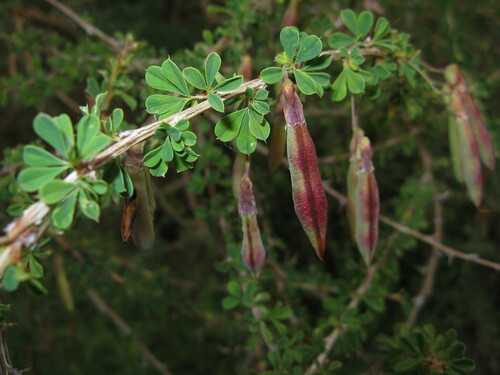
Young seeds are sometimes eaten. The seedpods are 15 - 19cm long (exceptionally to 40cm) and 5 - 7cm wide (exceptionally 9cm), containing several seeds 30 - 45mm long, 15 - 30mm wide, and 5 - 12mm thick.
Medicinal Uses
Bark and leaves are used medicinally.
Distribution
E. Asia - Andaman and Nicobar Islands, Myanmar, Thailand, Malaysia, Indonesia, Philippines.
Where It Grows
TROPICAL ASIA: Indonesia (Papua), Papua New Guinea, India (Andaman and Nicobar Islands), Myanmar (south), Thailand, Indonesia (Kalimantan, Sulawesi, Maluku, Sumatera), Malaysia, Philippines
Cultivation
A tree of the moister lowland tropics found most commonly near sea level, though it can succeed at elevations up to 450 metres. It grows best in areas where the minimum temperature does not fall below 17°c and the maximum is no higher than 33°c. It is susceptible to frost. It tolerates an annual rainfall in the range of 1,500 - 2,300 mm. The following notes are taken from Intsia bijuga, and are likely to be more or less true for this species. Prefers a position in full sun. Prefers a very well-drained soil. Plants are very tolerant of saline soils and salt-laden winds. Established plants are moderately drought tolerant.
Propagation
Seed
Other Uses
Dye Furniture Wood Other Uses: Brown and yellow dyes are obtained from the bark and wood. They are used for colouring mats and clothes. The heartwood is orangey-brown, becoming dark red-brown or dark brown when exposed to the light; it is clearly demarcated from the 5 - 8cm wide band of white or pale yellow sapwood. The texture is coarse but even; the grain interlocked or wavy. The wood is heavy; hard to very hard; strong; durable, being resistant to fungi and dry wood borers, and moderately resistant to termites and ocean water. It seasons slowly, with only a slight risk of checking and distortion; once dry it is stable in service. The wood works well but has a fairly high blunting effect, stellite-tipped and tungsten carbide tools are recommended; nailing and screwing are good, but require pre-boring; gluing is correct; the wood takes a very fine polish. It is used for high-grade construction work, interior finishing, panelling, parquet flooring, furniture, railroad ties and beams.
Synonyms
Also Known As
Borneo Teak, Merbau