Inga vulpina
Mart. ex Benth.
Pink flowered Inga
iNaturalist· cc-by-nc
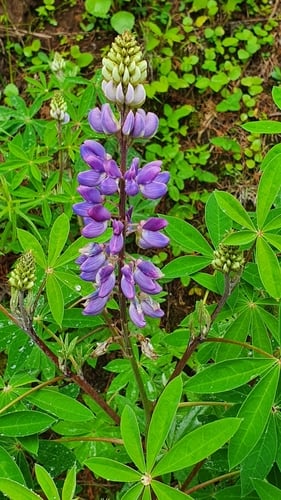
(c) Edgard Lopes, some rights reserved (CC BY-NC), uploaded by Edgard Lopes
iNaturalist· cc-by-nc
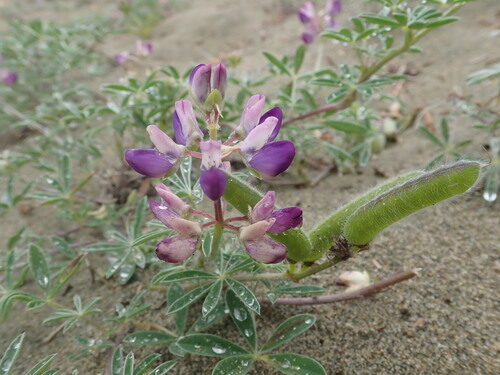
(c) vittoor, some rights reserved (CC BY-NC)
iNaturalist· cc-by-nc
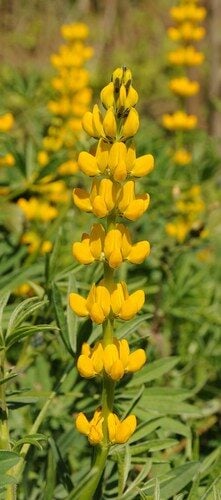
(c) vittoor, some rights reserved (CC BY-NC)
Description
An evergreen tree. It grows 4-10 m high. The leaves are compound. They have leaflets along the stalk. There are 3-4 pairs of leaflets. The end leaflets are 8-11 cm long and the leaflets near the base are 4-6 cm long. The flowers are in groups in the axils of leaves. The fruit are flattened pods. The seeds are in a sweet aril.
Edible Uses
Fruit - raw. The fruit is a legume up to 6cm long and 3cm wide containing a number of seeds surrounded by a sweet-tasting pulp.
Traditional Uses
The layer around the seeds is eaten fresh.
This uses section is brief — help expand it
Distribution
It is a tropical plant. It grows in the savannas and rocky fields in eastern Brazil.
Where It Grows
Brazil, South America,
Cultivation
Plants grow easily from fresh seeds. Seeds germinate in 1-2 weeks given moisture and shade.
Other Uses
The wood of Inga species is generally attractive, but it has a coarse texture, is susceptible to attack by dry-wood termites and is not durable in the soil.
Other Information
It is not a very popular fruit.
Notes
Also as Mimosaceae.
Synonyms
Also Known As
Inga-banana, Inga-cabeludo, Inga de flor rosa
References (5)
- ILDIS Legumes of the World http:www;ildis.org/Legume/Web
- Leal, M. L. et al, 2018, Knowledge, use, and disuse of unconventional food plants. Journal of Ethnobiology and Ethnomedicine (2018) 14:6
- London J. Bot. 4:604. 1845
- Lorenzi, H., Bacher, L., Lacerda, M. & Sartori, S., 2006, Brazilian Fruits & Cultivated Exotics. Sao Paulo, Instituto Plantarum de Estuados da Flora Ltda. p 148
- www.colecionandofrutas.org