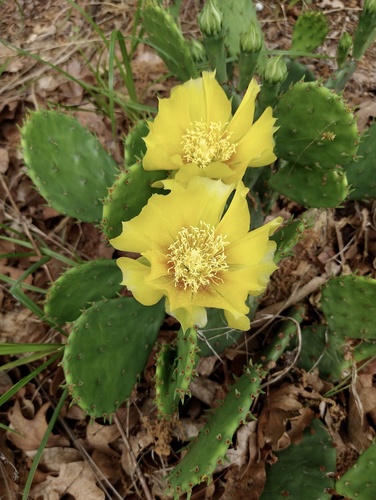
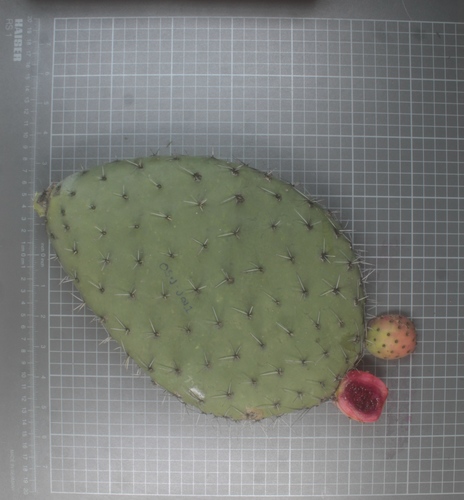
Rhodocactus bahiensis
(Gurke) I. Asai & K. Miyata
wikimedia· cc-by-sa
Wikimedia Commons - PierreBraun
wikimedia· cc-by-sa
Wikimedia Commons - 阿橋 HQ
Summary
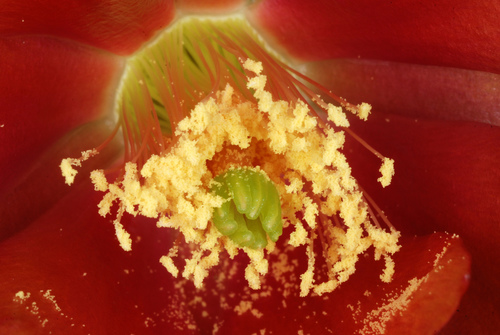
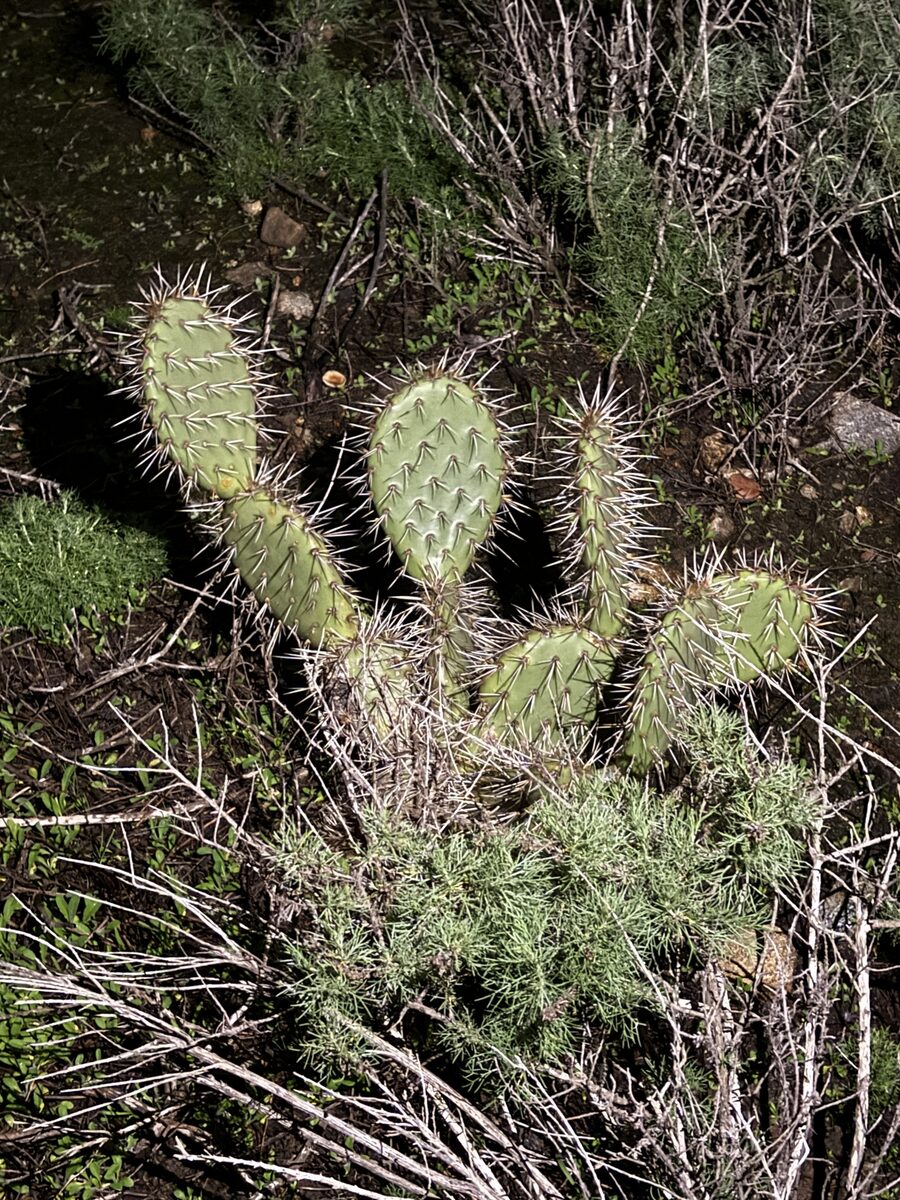
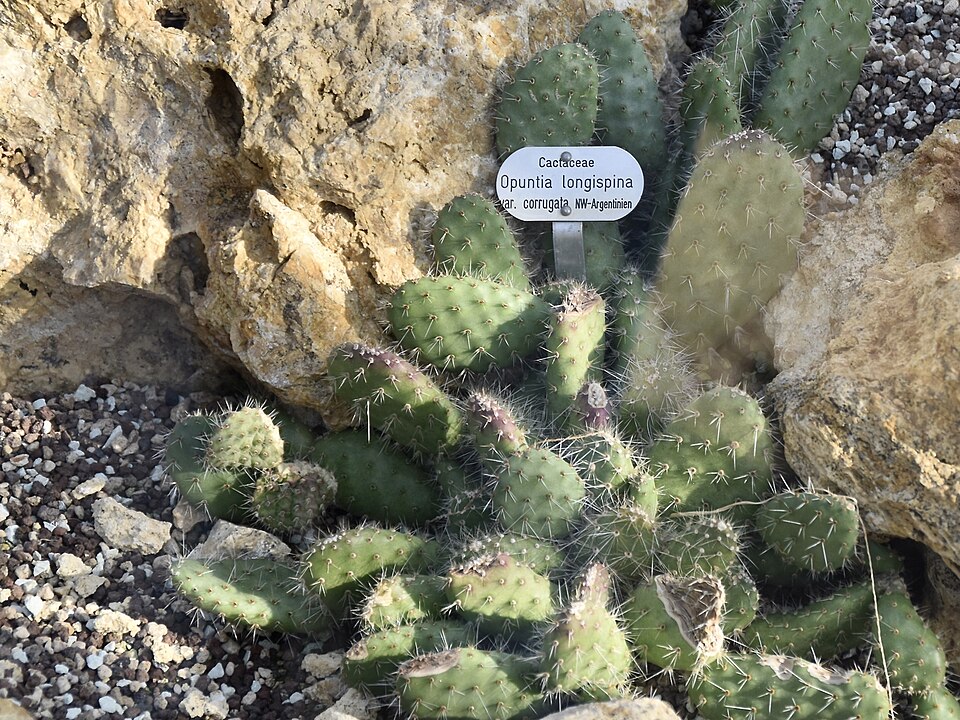
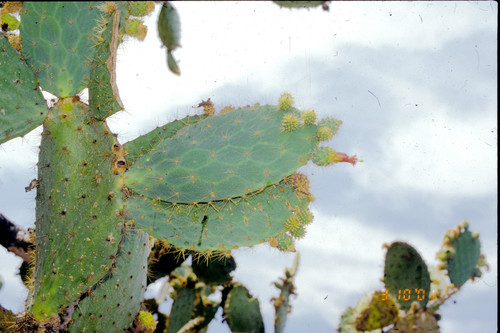
Source: WikipediaRhodocactus bahiensis is a species of tree-like cactus that is endemic to the Brazilian state of Bahia. First described as Pereskia bahiensis, it was transferred to Rhodocactus in 2016. Like all species in the genus Rhodocactus, and unlike most cacti, it has persistent leaves. In its native locality, it is used to form hedges.
Description
A tropical cactus native to arid regions of eastern Brazil, cultivated as a food plant for its fruit.
This description is brief — help expand it
Edible Uses
Fruit. The pulp is eaten. The pear-shaped fruits are around 30 - 60mm long and 30 - 50mm in diameter with a fruit wall around 10 - 15mm thick..
Distribution
It is a tropical plant. It grows in arid regions in eastern Brazil.
Where It Grows
Brazil, South America,
Cultivation
Rhodocactus bahiensis is a plant of the 'Caatinga' dry forest region of northeast Brazil. The climate is hot and dry, there are usually 6 to 11 months without rain each year. The mean annual rainfall varies from 250 - 1,000mm, and the mean annual temperature is from 24 - 26°c. Species in this genus generally prefes a well-drained, circum-neutral soil in a sunny position.
Propagation
Seed - fresh seed can be slow to germinate, it is best to sow seed that is between several months to 2 years old and this should germinate after a few days. Even when five years old, seed can have a 50% germination rate. Easily grown from cuttings of half-ripe wood, taken during the dry season.
Other Uses
The plant is often grown as a hedge plant in its native range. Cuttings around 100cm long are taken during the dry season and placed fairly close to each other to form a living fence of spiny canes. This soon develops into an impenetrable, stock-proof hedge.
Other Information
It is a cultivated food plant.
Synonyms
References (3)
- Kermath, B. M., et al, 2014, Food Plants in the Americas: A survey of the domesticated, cultivated and wild plants used for Human food in North, Central and South America and the Caribbean. On line draft. p 630 (As Pereskia bahiensis)
- Martin, F. W., et al, 1987, Perennial Edible Fruits of the Tropics. USDA Handbook 642 p 89 (As Pereskia bahiensis)
- World Checklist of Useful Plant Species 2020. Royal Botanic Gardens, Kew