Opuntia engelmannii var. linguiformis
(Griffiths) B. D. Parfitt & Pinkava
iNaturalist· cc-by-nc
(c) Theo Witsell, some rights reserved (CC BY-NC), uploaded by Theo Witsell
iNaturalist· cc-by-nc
(c) Ad Konings, some rights reserved (CC BY-NC), uploaded by Ad Konings
iNaturalist· cc-by-nc
(c) Paul (Chris) LaMont, some rights reserved (CC BY-NC)
Summary
Source: WikipediaOpuntia engelmannii is a prickly pear common across the south-central and Southwestern United States and northern Mexico. It goes by a variety of common names, including desert prickly pear, discus prickly pear, Engelmann's prickly pear in the US, and nopal, abrojo, joconostle, and vela de coyote in Mexico. The nomenclatural history of this species is somewhat complicated due to the varieties, as well as its habit of hybridizing with Opuntia phaeacantha. It differs from O. phaeacantha by being green year round instead of turning reddish purple during winter or dry seasons, as well as having yellow flowers with red centers.
Description
A cactus.
This description is brief — help expand it
Edible Uses
The fruits were a reliable summer food for Native American tribes. The Tohono O'odham of the Sonoran Desert in particular classified the fruits by color, time of ripening, and how well they kept in storage. O. engelmannii is cultivated as an ornamental plant, for use in drought tolerant gardens, container plantings, and natural landscaping projects. O. engelmannii has also been used as a living hedge and cattle fodder. These functions, paired with a capacity to survive drought, led to its import to various locations in Africa.
Distribution
It is a warm temperate plant.
Where It Grows
Mexico, North America, USA,
Synonyms
References (1)
- Kermath, B. M., et al, 2014, Food Plants in the Americas: A survey of the domesticated, cultivated and wild plants used for Human food in North, Central and South America and the Caribbean. On line draft. p 585
More from Cactaceae
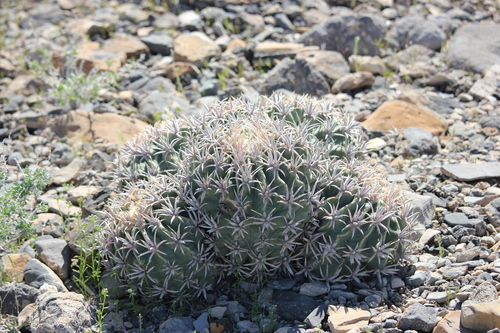
Echinocactus polycephalus
Cotton top cactus
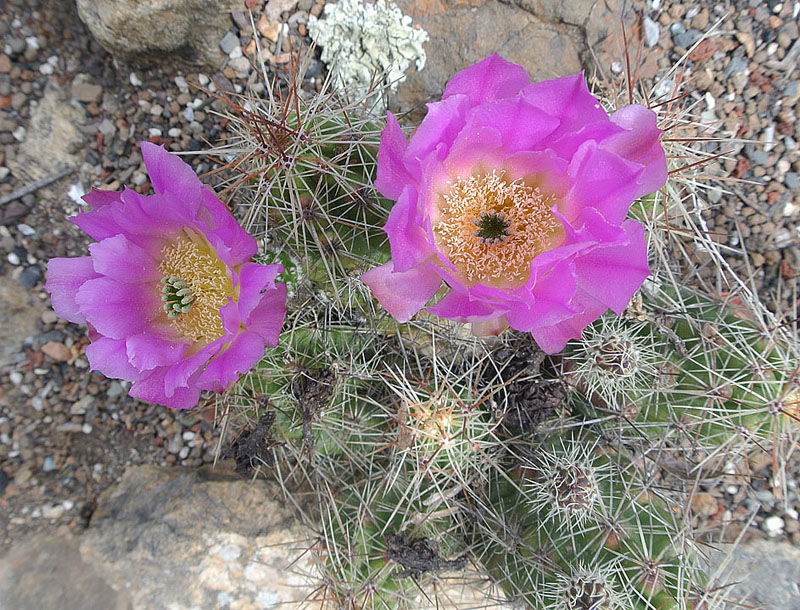
Echinocactus sp.
Bisnaga
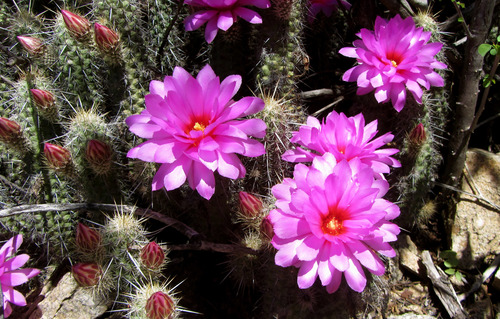
Echinocereus brandegeei
Strawberry cactus
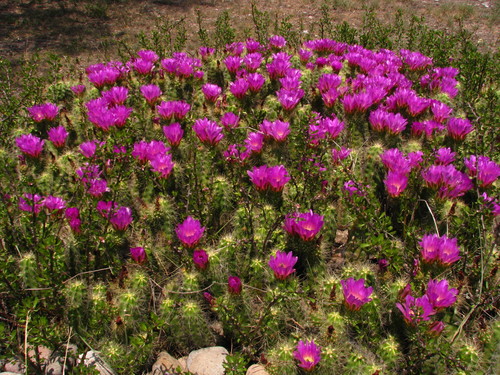
Echinocereus cinerascens
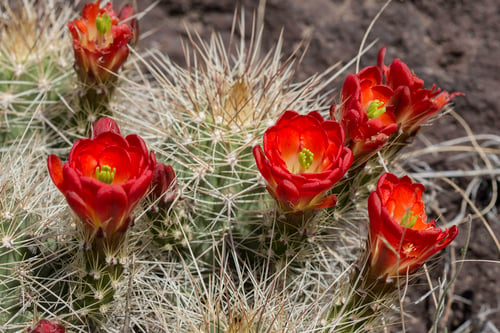
Echinocereus coccineus
Arizona hedgehog, California hedgehog, Cream-flowered hedgehog, Golden rainbow hedgehog, Mexican claret-cup cactus, White-spined claret-cup cactus
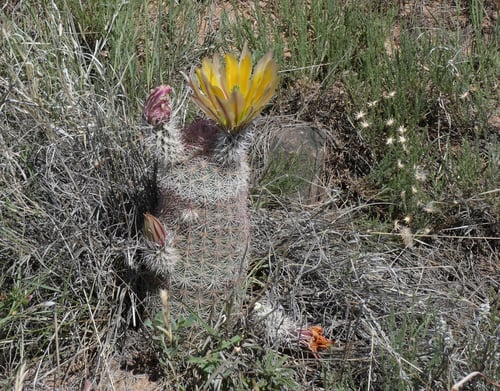
Echinocereus dasyacanthus
Golden rainbow hedgehog cactus, Texas rainbow cactus, Texas rainbow hedgehog, Yellow-flowered pitaya, Chuhuahua