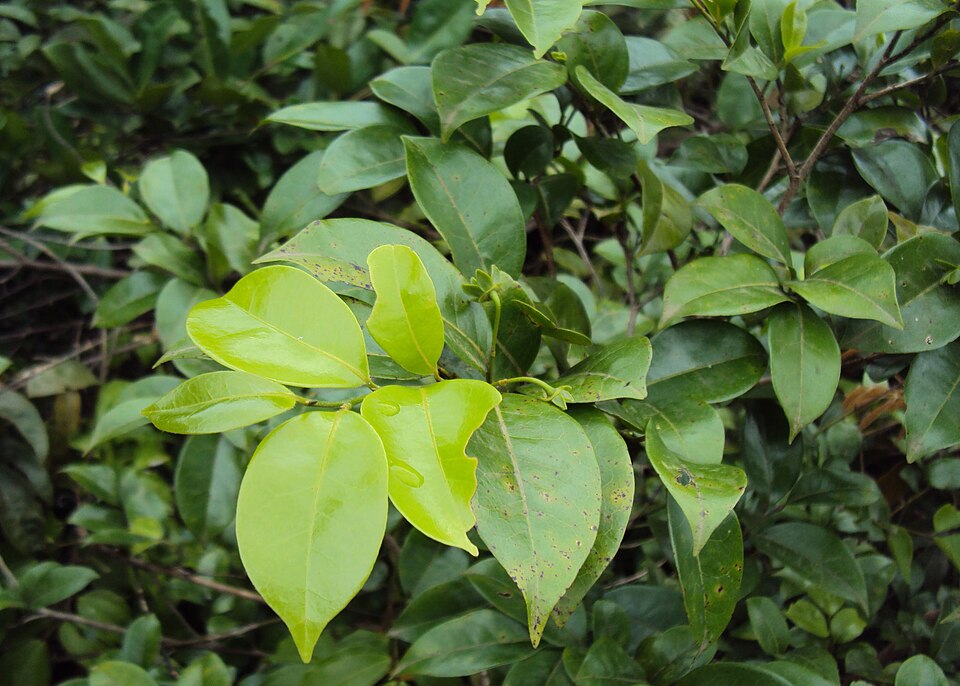
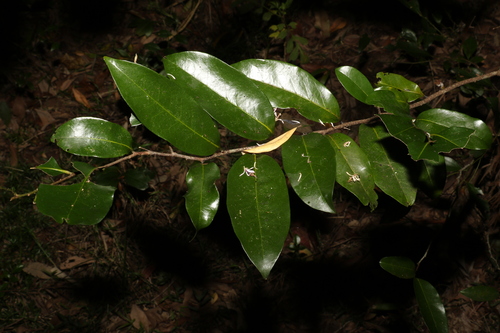
Miliusa velutina
(Dunal) Hook.f. and Thoms.
Velvety miliusa
iNaturalist· cc-by-nc
(c) Wangworn Sankamethawee, some rights reserved (CC BY-NC), uploaded by Wangworn Sankamethawee
wikimedia· cc0
Wikimedia Commons
wikimedia· cc0
Wikimedia Commons - Lannafolium
Summary
Source: WikipediaMiliusa velutina is a flowering plant belonging to the family Annonaceae, native to parts of Asia from India in the west to Vietnam in the east.
Description
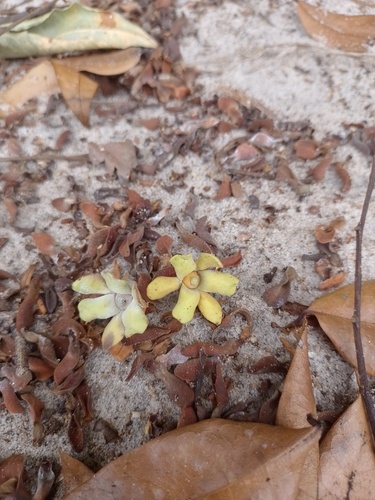
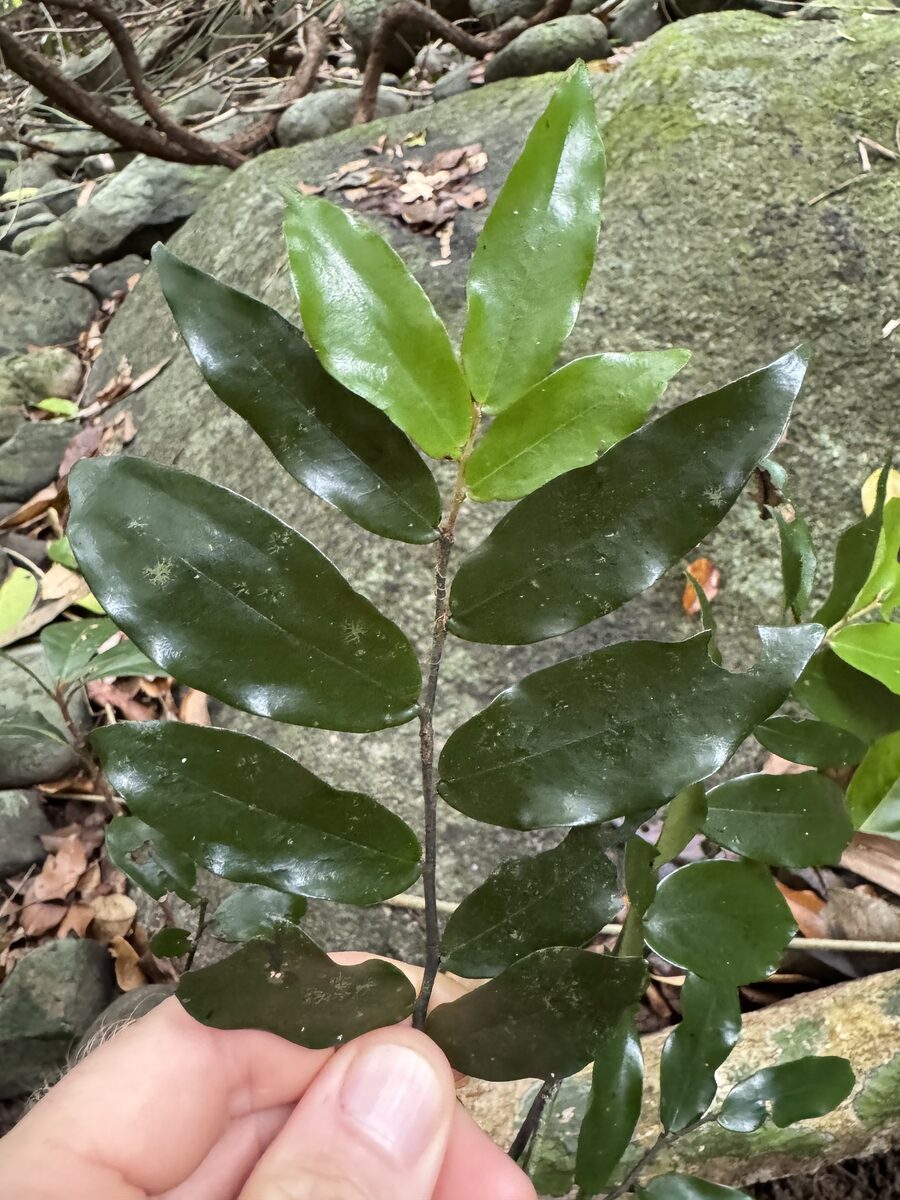
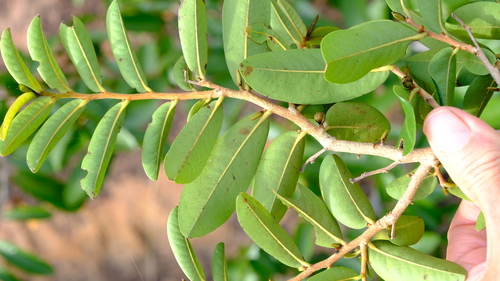
A tree. It grows 10 m high. The young branches have a coating. The leaves are 12-30 cm long by 7-16 cm wide. They are broadly oval. The young leaves have soft hairs on both sides. The leaf stalk is stout and 2-8 mm long. The plants are separately male and female. The flower and fruit stalk is 6-25 mm long. The flowers are in groups of 3-6 near the axils of leaves or at the ends of branches. The fruit are 1-2 cm across.
Edible Uses
The ripe fruit are eaten raw, commonly eaten by children.
Traditional Uses
The ripe fruit are eaten raw.
This uses section is brief — help expand it
Medicinal Uses
The plant has traditionally been used as a vegetable by local populations, and as an herbal remedy in several countries to treat conditions such as inflammation and bacterial infections.
Distribution
A tropical plant. In Pakistan it grows below the Himalayas up to 900 m. In southern China it grows on forested slopes between 500-700 m above sea level. In Yunnan.
Where It Grows
Asia, Bangladesh, Cambodia, China, Himalayas, India, Indochina, Laos, Malaysia, Myanmar, Nepal, Pakistan, SE Asia, Thailand, Vietnam,
Production
In north India plants flower and fruit March to August.
Other Information
The ripe fruit are eaten raw by children.
Synonyms
Also Known As
Bari kari, Bor samphol, Bul gajari, Domsal, Duduga, Gandha palas, Ghandhi gajari, Gidar, Hesare, Kana kaitha, Kari, Mai-nang-sang, Nalla duduga, Ome, Pedda-chilka, Rukh, Siarbhuka, Thabut-gyi, Viluni
References (11)
- Ambasta, S.P. (Ed.), 2000, The Useful Plants of India. CSIR India. p 373
- Bajpai, O., et al, 2015, Tree species of the Himalayan Terai region of Uttar Pradesh, India: a checklist. Check List 11(4): 1718
- Chaudhary, L. B., et al, 2014, Tree Resources of Katerniaghat Wildlife Sanctuary, Uttar Pradesh, India with especial emphasis on Conservation Status, Phenology and Economic Values. International Journal of Environment. 3(1)
- Chowdery, T., et al, 2014, Wild edible plants of Uttar Dinajpur District, West Bengal. Life Science Leaflets. 47:pp 20-36 http://lifesciencesleaflets.ning.com
- Dey, A. & Mukhererjee, A., 2015, Living and Survival Amidst Hunger: Wild Edible Botanicals as a Prime Forest Productivity in the Rural Purulia District, West Bengal, India from Colonial to Present. Research Journal of Forestry 9(3): 71-86
Show all 11 references Hide references
- Dobriyal, M. J. R. & Dobriyal, R., 2014, Non Wood Forest Produce an Option for Ethnic Food and Nutritional Security in India. Int. J. of Usuf. Mngt. 15(1):17-37
- Gardner, S., et al, 2000, A Field Guide to Forest Trees of Northern Thailand, Kobfai Publishing Project. p 40
- Harisha, R. P. & Padmavathy, S., 2013, Knowledge and Use of Wild Edible Plants in Two Communities in Malai Madeshwara Hills, Southern India. International Journal of Botany 9(2): 64-72.
- Pasha, M. K. & Uddin, S. B., 2019, Minor Edible Fruits of Bangladesh. Bangladesh J. Plant Taxon. 26(2): 299–313
- Pullaiah, Y., Krishnamurthy, K. V. & Bahadur, B., , Ethnobotany of India, Volume 1: Eastern Ghats and Deccan.
- Singh, H.B., Arora R.K.,1978, Wild edible Plants of India. Indian Council of Agricultural Research, New Delhi. p 67