Miliusa tomentosa
(Roxb.) J. Sinclair
Hoom
iNaturalist· cc-by-nc
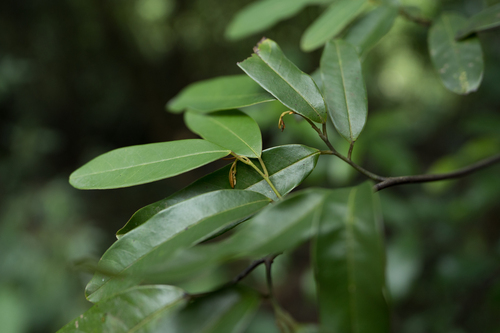
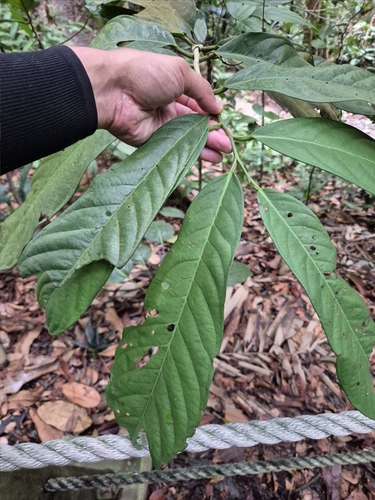
(c) Shiwalee Samant, some rights reserved (CC BY-NC), uploaded by Shiwalee Samant
iNaturalist· cc-by-nc
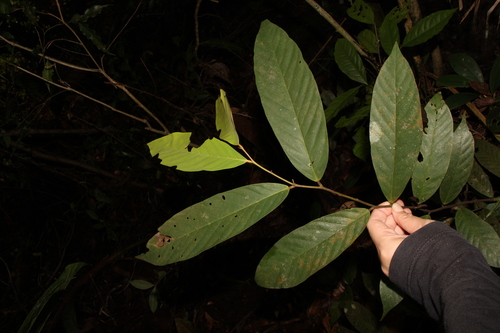
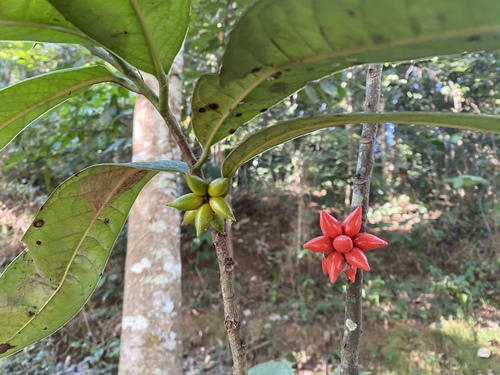
(c) Radha Veach, some rights reserved (CC BY-NC)
Summary
Source: WikipediaMiliusa tomentosa is a large deciduous tree with 15–20 metre height. It is commonly known as wooly miliusa. The native range of this species is the Indian subcontinent. It is a tree and grows primarily in the seasonally dry tropical biome.
Description
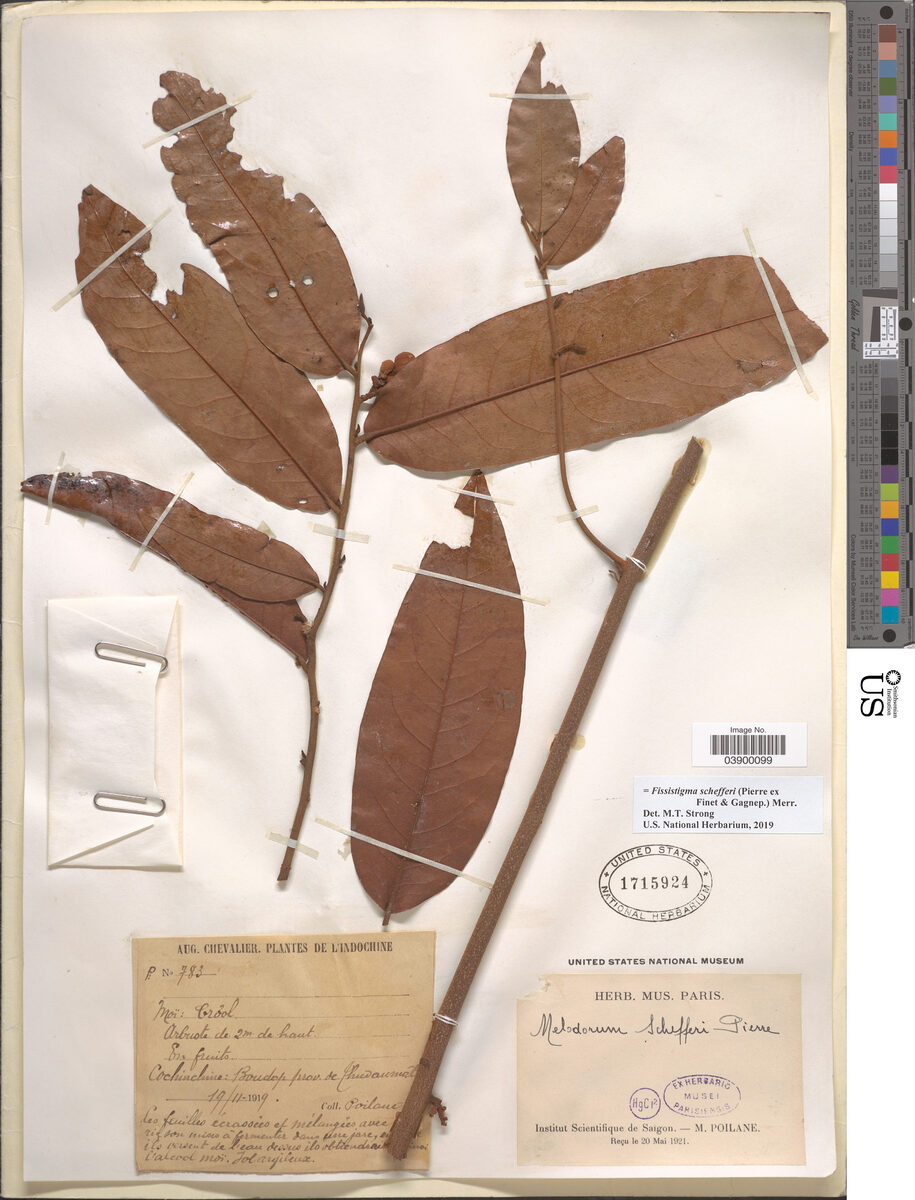
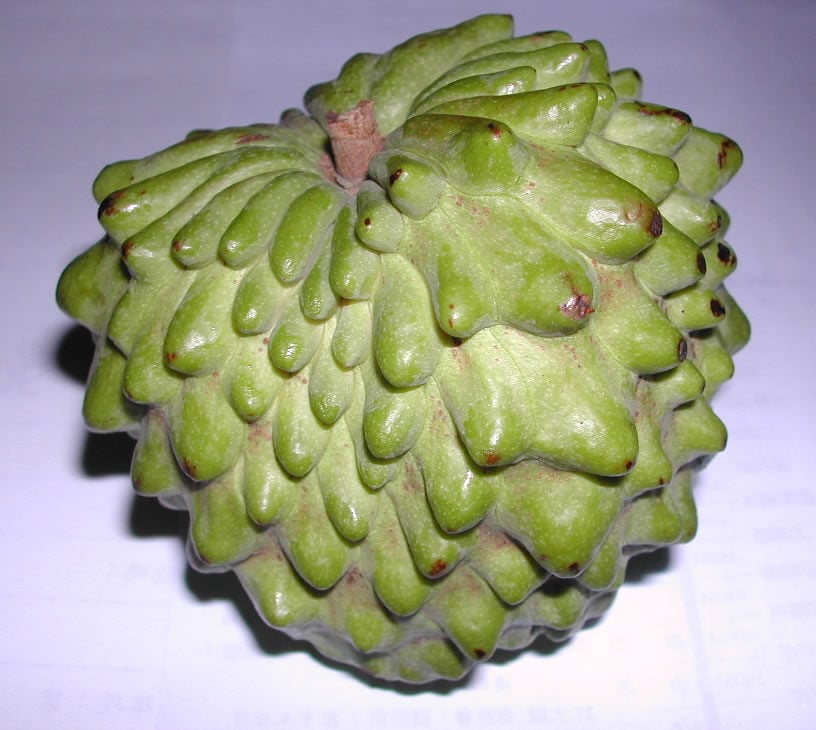
A large tree. It loses its leaves during the year. It grows 20 m tall. The bark is blackish-brown. The leaves are oval or oblong and thick and leathery. They are 4-10 cm long by 3-5 cm wide. They have soft hairs underneath. The base is rounded and the tip is pointed. The flowers are greenish and 1.5 cm across. They occur singly or in pairs opposite the leaf. The fruit are round and purple and 2-3 cm across. They are in a ring of 8-17.
Edible Uses
The ripe fruit are eaten raw.
Traditional Uses
The ripe fruit are eaten raw.
This uses section is brief — help expand it
Medicinal Uses
The oil from its seeds is used in Chinese traditional medicine for its antibacterial and analgesic properties.
Distribution
A subtropical plant.
Where It Grows
Asia, Bangladesh, Himalayas, India, Nepal, Sri Lanka,
Production
Plants flower May to June.
Synonyms
Also Known As
Barredudduga, Budda duduga, Chilkadudu, Gadida lotta, Gandhapalsa, Hessare, Hoom, Humb, Humba, Kari, Kirua, Lom tasbi, Minmara, Patmossu, Periuvay, Thoska, Wumb
References (13)
- Ambasta, S.P. (Ed.), 2000, The Useful Plants of India. CSIR India. p 372
- Bajpai, O., et al, 2015, Tree species of the Himalayan Terai region of Uttar Pradesh, India: a checklist. Check List 11(4): 1718
- Brevard County Edible Acres (As Saccopetalum tomentosum)
- Chaudhary, L. B., et al, 2014, Tree Resources of Katerniaghat Wildlife Sanctuary, Uttar Pradesh, India with especial emphasis on Conservation Status, Phenology and Economic Values. International Journal of Environment. 3(1)
- Datar, M. N. & Upadhye, A. S., 2015, Forest foods of Northern Western Ghats: Mode of Consumption, Nutrition, and Availability. Asian Agri-History Vol. 19, No. 4, 2015 (293–316)
Show all 13 references Hide references
- Gard. Bull. Singapore 14:378. 1955
- Jadhav, R., et al, 2015, Forest Foods of Northern Western Ghats: Mode of Consumption, Nutrition and Availability. Asian Agri-History Vol. 19, No. 4: 293-317
- Misra S. & Misra M., 2016, Ethnobotanical and Nutritional Evaluation of Some Edible Fruit Plants of Southern Odisha, India. International Journal of Advances in Agricultural Science and Technology, Vol.3 Issue.1, March- 2016, pg. 1-30
- Pasha, M. K. & Uddin, S. B., 2019, Minor Edible Fruits of Bangladesh. Bangladesh J. Plant Taxon. 26(2): 299–313
- Pullaiah, Y., Krishnamurthy, K. V. & Bahadur, B., , Ethnobotany of India, Volume 1: Eastern Ghats and Deccan.
- Reddy, K. N. et al, 2007, Traditional knowledge on wild food plants in Andhra Pradesh. Indian Journal of Traditional Knowledge. Vol. 6(1): 223-229
- Sharma, B.D., & Lakshminarasimhan, P., 1986, Ethnobotanical Studies on the Tribals of Nasik District (Maharashtra). J. Econ. Tax. Bot. Vol. 8 No. 2 pp 439-446
- Singh, H.B., Arora R.K.,1978, Wild edible Plants of India. Indian Council of Agricultural Research, New Delhi. p 78