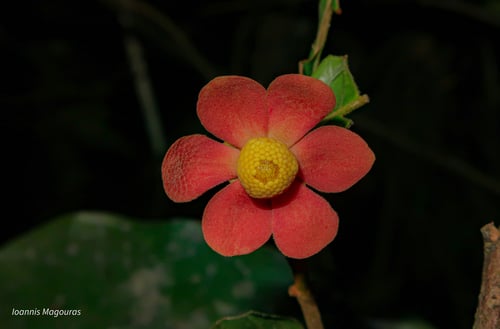
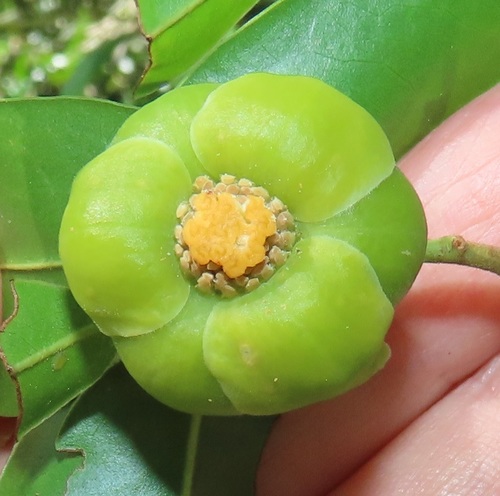
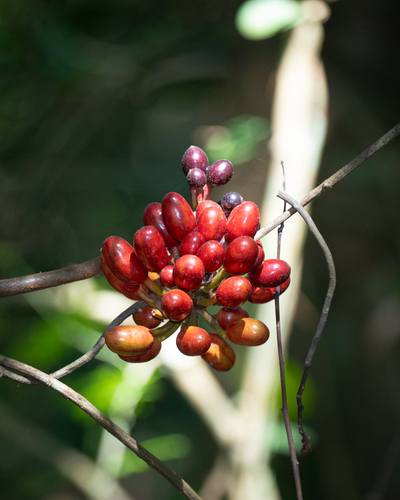
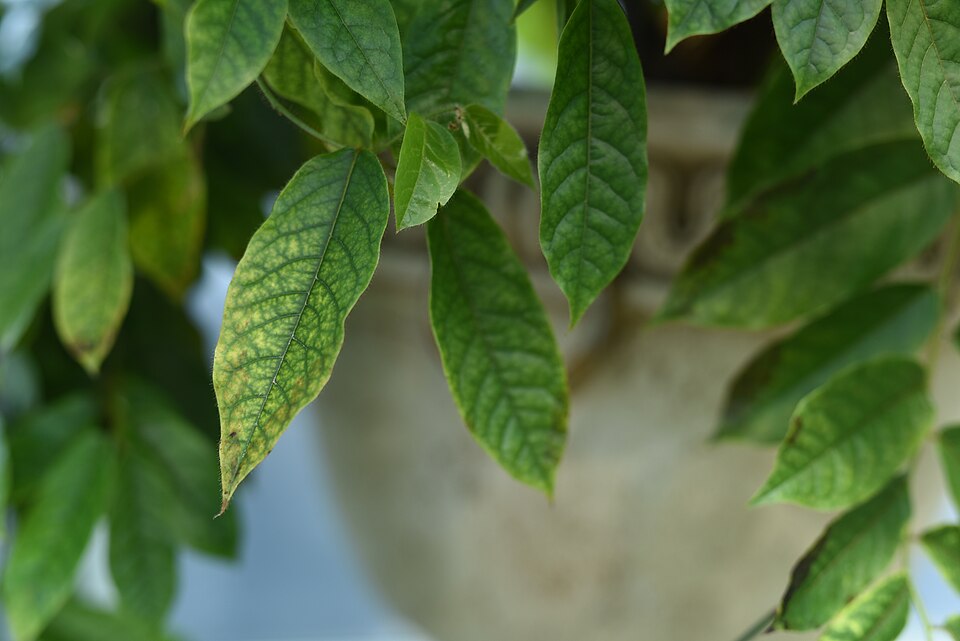
Isolona hexaloba
Engl. & Diels
gbif· cc-by-nc-nd
Christ Kombil, West & Central Africa programme
gbif· cc-by-nc-nd
Christ Kombil, West & Central Africa programme
gbif· cc-by-nc-nd
Christ Kombil, West & Central Africa programme
Description
A tropical tree in the Annonaceae family that reaches 15-30 m in height.
This description is brief — help expand it
Edible Uses
The bark is chewed raw and used as a strengthener.
Traditional Uses
The bark is chewed raw as a strengthener.
This uses section is brief — help expand it
Medicinal Uses
In traditional medicine the bark is used as purgative and bark decoctions are administered to treat abdominal pain, constipation and wounds. The bisbenzylisoquinoline alkaloids curine and cycleanine have been isolated form the root bark. Both compounds showed significant trypanocidal activity in mice infected with strains of Trypanosoma cruzi, a protozoan causing Chagas’ disease. The sesquiterpene derivative cazolobine has also been isolated from the roots.
Distribution
It is a tropical plant.
Where It Grows
Africa, Angola, Central Africa, Congo DR, Central African Republic, CAR, Gabon, Ghana, Nigeria,
Cultivation
The plant can flower and produce fruit all year round. A very variable species.
Other Uses
Pieces of wood serve as torches. The heartwood is creamy white, and indistinctly demarcated from the white sapwood, which becomes reddish upon exposure. The wood is used for shields.
Production
Plants flower in May.
Also Known As
Unkosakosa
References (2)
- Harris, D. J., 2002, The vascular plants of the Dzanga-Sangha Reserve, Central African Republic. National Botanic Garden of Belgium, 2002. – 274 pages p 44
- Termote, C., et al, 2011, Eating from the wild: Turumbu, Mbole and Bali traditional knowledge of non-cultivated edible plants, District Tshopo, DRCongo, Gen Resourc Crop Evol. 58:585-618