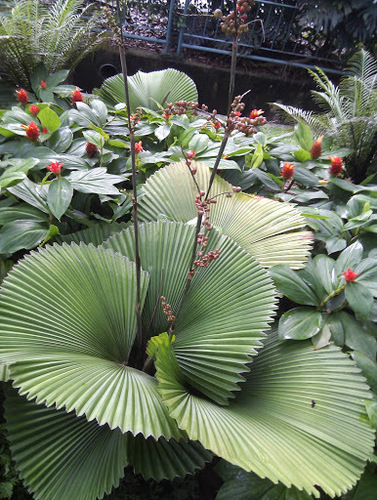
Caryota majestica
Linden
Pugahang-bungalan
Description
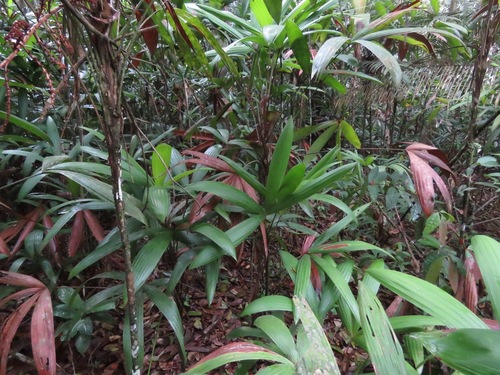
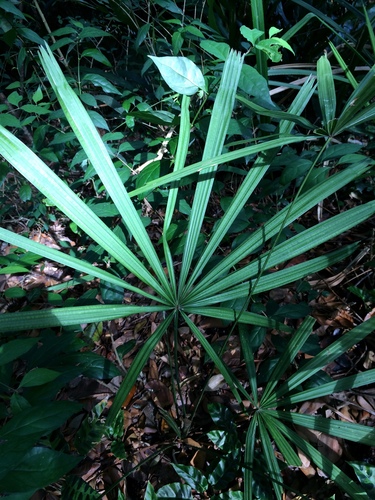
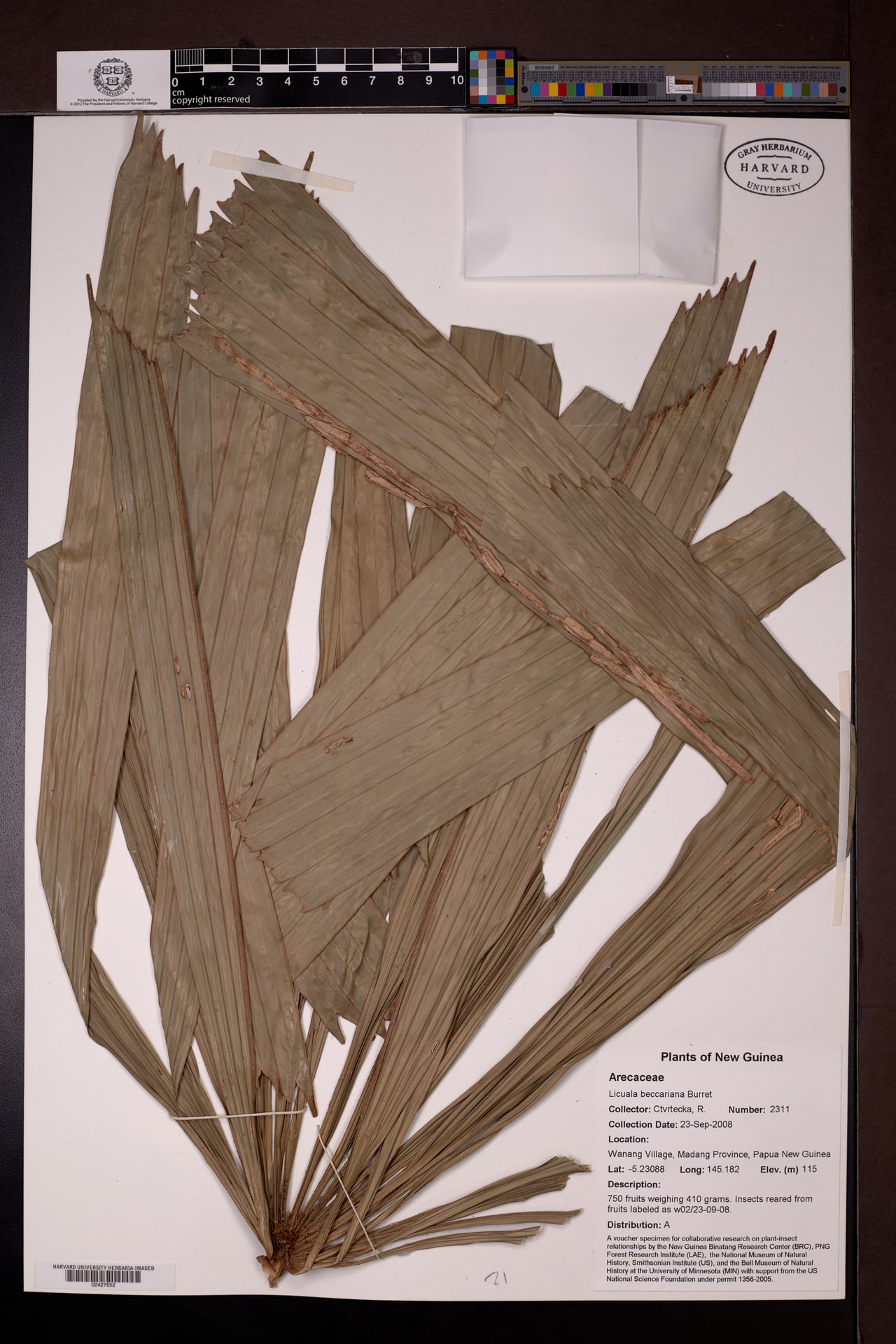
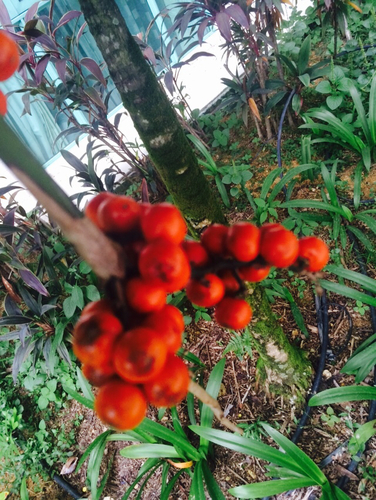
A large palm. The leaflets go upwards and are very narrow and very deeply and sharply toothed. The fruit are 11 to 12 mm across. The seeds are slightly broader than high. They are 9 mm across and have a shiny brown colour and the surface is slightly grooved.
Edible Uses
The buds are cooked and eaten, the fruits are edible, and the palm heart (cabbage) is consumed.
Traditional Uses
The bud is cooked and eaten. The fruit are edible. CAUTION: The seed or kernel is poisonous.
This uses section is brief — help expand it
Known Hazards
The seed or kernel is poisonous.
Distribution
A tropical plant. They are widely distributed in the Philippines.
Where It Grows
Asia, Pacific, Philippines, SE Asia,
Notes
There are 12 Caryota species. They are tropical.
References (1)
- Monsalud, M.R., Tongacan, A.L., Lopez, F.R., & Lagrimas, M.Q., 1966, Edible Wild Plants in Philippine Forests. Philippine Journal of Science. p 524