Astrocaryum aculeatissimum
(Schott) Burret
iNaturalist· cc-by
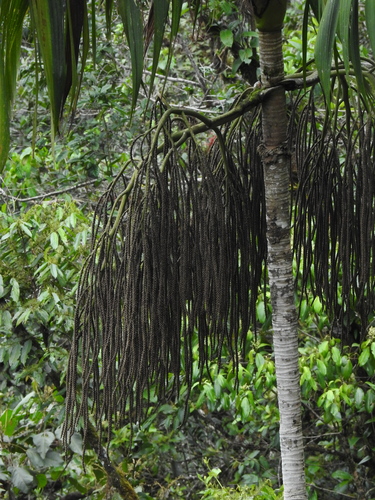
(c) Diogo Luiz, some rights reserved (CC BY), uploaded by Diogo Luiz
iNaturalist· cc-by-nc
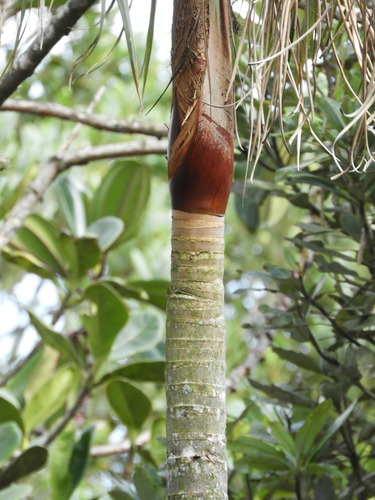
(c) Diego Monsores, some rights reserved (CC BY-NC), uploaded by Diego Monsores
iNaturalist· cc-by-nc
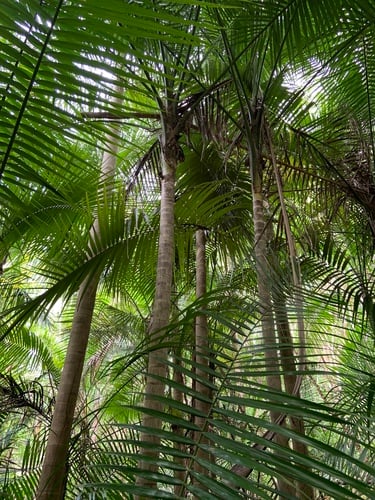
(c) Geovane Siqueira, some rights reserved (CC BY-NC), uploaded by Geovane Siqueira
Summary
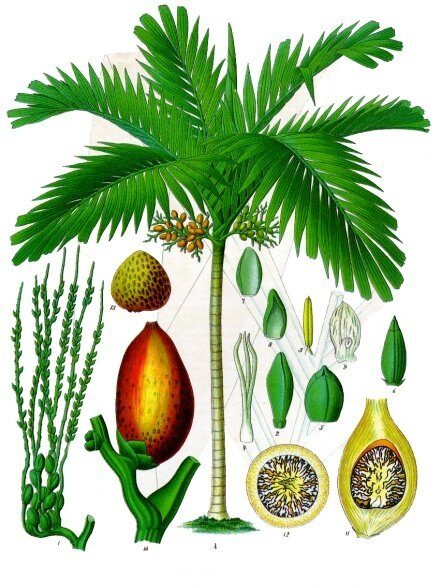
Source: WikipediaAstrocaryum aculeatissimum (syn. Astrocaryum ayri Mart., Toxophoenix aculeatissima Schott) is a palm native to Atlantic Coast restingas vegetation, which is an ecosystem of Atlantic Forest biome in Brazil. This plant has a commercial value because it has useful fibers which may be used to make production of brooms. The trunk of the tree is covered by rings of very sharp spines, believed by some biologists to have evolved as protection against the extinct Megatherium giant ground sloth.
Description
A tropical palm in the Arecaceae family.
This description is brief — help expand it
Edible Uses
The liquid endosperm of the unripe fruits is probably drunk. Immature fruits, while still green green, contains around 10 grammes of a drinkable liquid, known by the name of 'ayri water' We have no specific information for this species, but the fruits and seeds of various species in this genus are reported to be used for oil production in the Amazon region. Existing analyses of fruit fat content show a relatively homogeneous composition among the different species, with around. 20% of fat content in the mesocarp, mostly composed of oleic and palm itic acids, and 20 - 35% of fat content in the endosperm, with a predominance of lauric acid. The palm heart (the inner core and growing bud of the plant) is harvested from various species in this genus. It provides a crispy food, rich in nutrients, that can be eaten raw or cooked. Harvesting the heart will lead to the death of the stem it was harvested from, though in multi-stemmed plants such as this the rest of the plant will continue to grow and often produce new stems.
Medicinal Uses
The plant is used extensively locally for medicinal purposes. The fruit is used in the treatment of the bacterial skin disease erysipelas. The liquid endosperm of the unripe seed, known as 'agua de airi' is laxative. It is considered to be useful in the treatment of jaundice. The plant has a green fruit that holds 10 grams of a potable liquid which has medicinal properties. It is used as a laxative and as a treatment against jaundice. When the fruit is ripe, the liquid is transformed into a fleshy, bitter-tasting mass which contains 18% of the oil known as 'oleo de ayry.' When the substance is dried, it is reputedly used as a 'taenifuge' to kill internal parasites. An oil obtained from the mature seed is vermifuge.
Distribution
It is a tropical plant.
Where It Grows
Brazil*, South America,
Cultivation
The species is adapted to very well-drained and nutrient-poor conditions.
Other Uses
Sewing needles can be made from the spines on the trunk. The fibre obtained from the leaves are used for making brooms and coarse articles, and the leaves are also used for making hats. The ashes obtained from buring the plant are rich in phosphates and potassium salts. They can be used on a garden scale as a fertilizer. The hard endocarp of various Amazonian species is commonly used to make beads and ornaments for necklaces The wood is used in house construction and for making archery bows and arrows. Both the wood and the spines are very hard and durable. Very attractive, the wood is used for turnery, inlay work and, especially for making walking sticks.
Synonyms
Also Known As
Brajauva, Brejauva, Coco-preto
References (3)
- Brevard County Edible Acres (As Astrocaryum ayri)
- Giraldi, M. & Hanazaki, N., 2014, Use of Cultivated and harvested Edible Plants by Cairacaras - What Can Ethnobotany Add to Food Security Discussions? Human Ecology Review, Volume 20, Number 2, 2014
- Kermath, B. M., et al, 2014, Food Plants in the Americas: A survey of the domesticated, cultivated and wild plants used for Human food in North, Central and South America and the Caribbean. On line draft. p 98