Lupinus polyphyllus
Lindl.
Bigleaf lupine
iNaturalist· cc-by-nc
(c) David McCorquodale, some rights reserved (CC BY-NC), uploaded by David McCorquodale
iNaturalist· cc-by-nc
(c) eugenezakharov, some rights reserved (CC BY-NC), uploaded by eugenezakharov
iNaturalist· cc-by-nc
(c) Chris Chadwick, some rights reserved (CC BY-NC), uploaded by Chris Chadwick
Summary
Source: WikipediaLupinus polyphyllus, the large-leaved lupine, big-leaved lupine, many-leaved lupine, blue-pod lupine, or, primarily in cultivation, garden lupin, is a species of lupine (lupin) native to western North America from southern Alaska and British Columbia and western Wyoming, and south to Utah and California. It commonly grows along streams and creeks, preferring moist habitats.
Description
A herb. It keeps growing from year to year. It grows 0.5-1.5 m tall. The leaves have 10-14 leaflets. The leaflets are 4-11 cm long by 1-2 cm wide. The pods are 4 cm long y 1 cm wide.
Edible Uses
The root can be eaten raw or cooked.
Traditional Uses
The roots are eaten fresh or steamed.
This uses section is brief — help expand it
Medicinal Uses
A decoction of the plant has been used as a tonic.
Known Hazards
The seed of many lupin species contain bitter-tasting toxic alkaloids, though there are often sweet varieties within that species that are completely wholesome. Taste is a very clear indicator. These toxic alkaloids can be leeched out of the seed by soaking it overnight and discarding the soak water. It may also be necessary to change the water once during cooking. Fungal toxins also readily invade the crushed seed and can cause chronic illness.
Distribution
It is a temperate plant. In Argentina it grows between 500-1,500 m above sea level.
Where It Grows
Argentina, Asia, Chile, Mongolia, North America, Slovenia, South America, USA,
Cultivation
An easily grown plant, succeeding in any moderately good soil in a sunny position. It strongly dislikes excessive winter wet. Requires an acid to neutral soil. Succeeds in poor soils. Plants can be naturalized in the wild garden, especially on stream banks and for flowering above rough grass, where they may be short-lived but will self-seed. Plants dislike root disturbance. There are some named varieties, selected for their ornamental value. This species has a symbiotic relationship with certain soil bacteria, these bacteria form nodules on the roots and fix atmospheric nitrogen. Some of this nitrogen is utilized by the growing plant but some can also be used by other plants growing nearby. Depending on conditions, big-leaf lupin has a moderate growth rate, typically reaching maturity within 1-2 years. Once established, it can grow to heights of 3-4 feet. Seeds are typically harvested in late summer to early autumn when the pods have dried but before they shatter. Big-leaf Lupin flowers from late spring to early summer. Big-Leaf Lupin is typically self-fertile, allowing for pollination within the same flower.
Propagation
Pre-soak seed for 24 hours in warm water, then sow in early spring in a greenhouse; germination should occur within a couple of weeks. Prick seedlings into individual pots when large enough to handle and plant out in summer. It is also possible to sow seed in situ in mid spring; protect sowings from mice. Divide in March, though this is difficult. Take basal cuttings in April in a cold frame by harvesting shoots around 10cm long with plenty of underground stem; pot into individual pots and keep in light shade in a cold frame or greenhouse until rooting well, then plant out in summer.
Other Uses
This species fixes nitrogen, improving soil fertility, and can be used as a cover crop, for erosion control, or to enhance biodiversity in agroforestry systems. The flowers are rich in nectar and pollen and are attractive to bees, butterflies, and other pollinators. The seeds can provide food for wildlife, and the foliage offers some shelter for invertebrates, while leaf litter may serve as invertebrate habitat and help improve soil structure.
Also Known As
Mnogolistni volčji bob
References (3)
- http://www.botanic-gardens-ljubljana.com/en/plants
- Moerman, D. F., 2010, Native American Ethnobotany. Timber Press. p 321
- World Checklist of Useful Plant Species 2020. Royal Botanic Gardens, Kew
More from Fabaceae
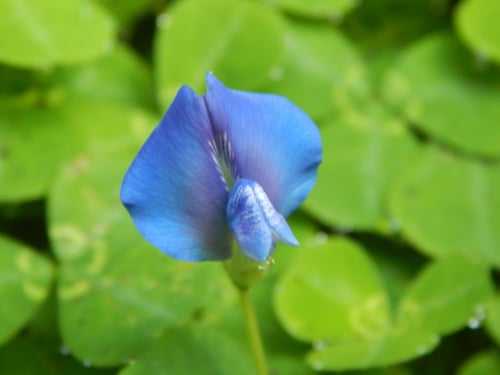
Parochetus communis
Blue trefoil, Shamrock pea, Clover pea
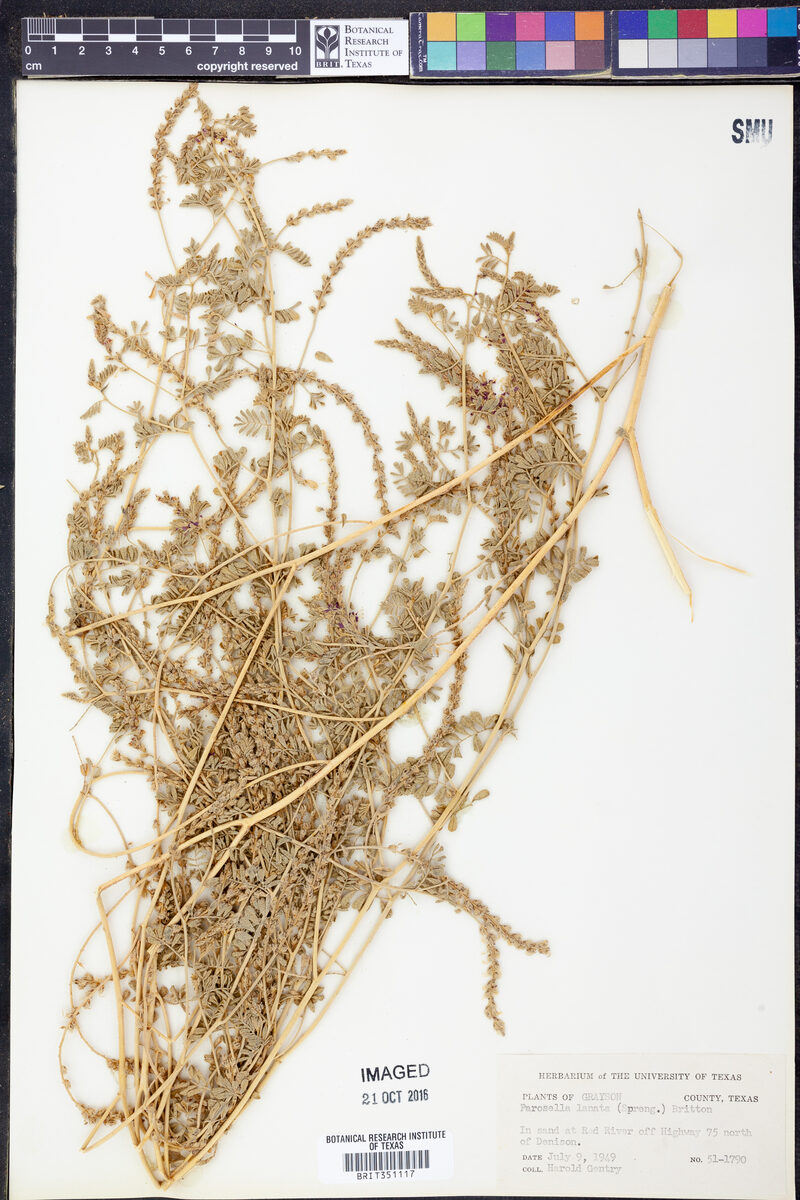
Parosela lanata
Woolly parosella, Woolly Prairie-clover, Woolly Prairieclover
Parosella lanata - (Spreng.)Britton.
Woolly Parosella
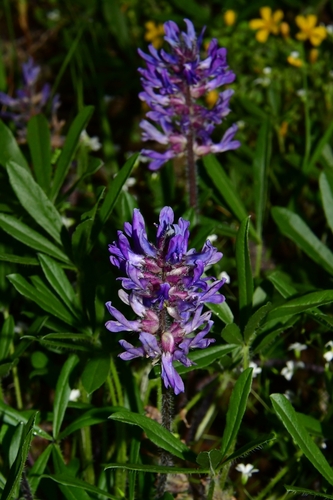
Pediomelum subacaule
White rim scurfpea, Nashville breadroot
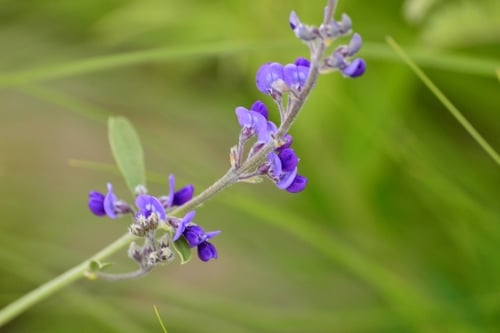
Pediomelum tenuiflorum
Slimflower scurfpea
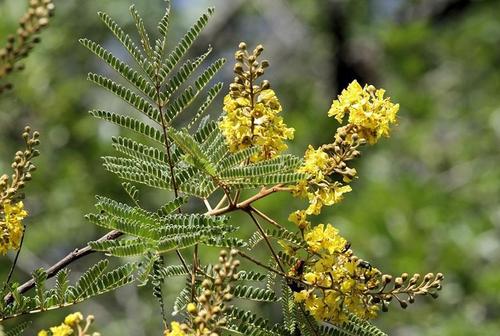
Peltophorum africanum
African wattle, Weeping wattle