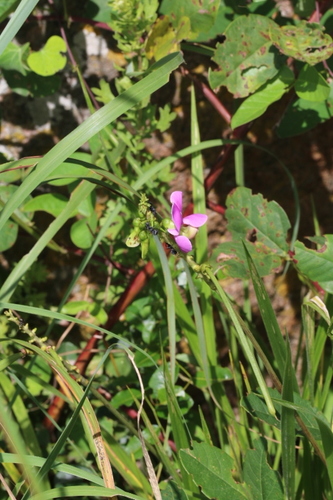
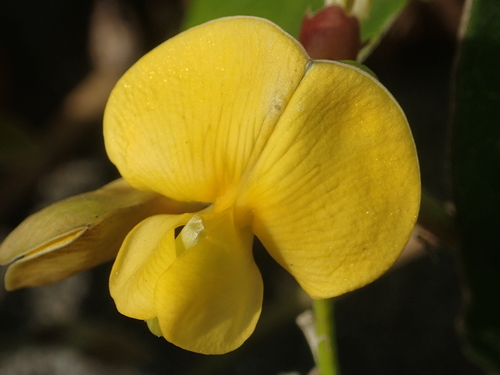
Parkia platycephala
Benth.
Fava bean tree, Amazonia nitta tree
iNaturalist· cc-by-nc
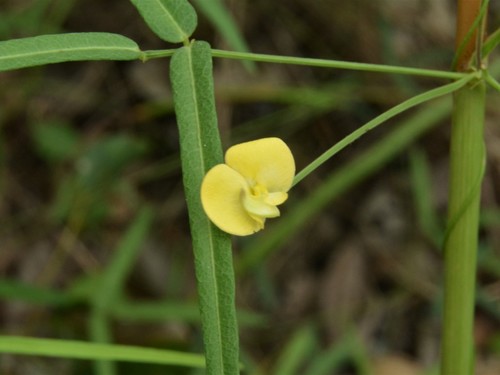
(c) Célio Moura Neto, some rights reserved (CC BY-NC), uploaded by Célio Moura Neto
iNaturalist· cc-by-nc
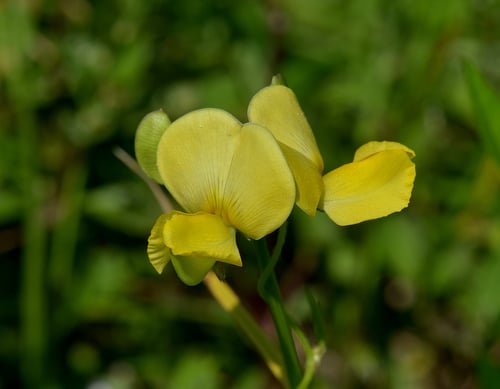
(c) Pedro Possidonio, some rights reserved (CC BY-NC)
Description
A tropical tree in the legume family (Fabaceae), native to Amazonia. The pods are used to produce fermented beverages.
This description is brief — help expand it
Edible Uses
The pods are fermented to produce alcohol, and can be consumed as a drink.
Traditional Uses
The pods are fermented to produce alcohol.
This uses section is brief — help expand it
Distribution
It is a tropical plant.
Where It Grows
Brazil, South America,
Cultivation
Grows best in a sunny position. Prefers a deep, well-drained soil which can range from clayey to sandy. Established plants are drought tolerant. Young plants have a fast rate of growth. Although many species within the family Fabaceae have a symbiotic relationship with soil bacteria, this species is said to be devoid of such a relationship and therefore does not fix atmospheric nitrogen.
Propagation
Seed - it has a hard seedcoat and benefits from scarification before sowing to speed up and improve germination. This can usually be done by pouring a small amount of nearly boiling water on the seeds (being careful not to cook them!) and then soaking them for 12 - 24 hours in warm water. By this time they should have imbibed moisture and swollen - if they have not, then carefully make a nick in the seedcoat (being careful not to damage the embryo) and soak for a further 12 hours before sowing. Sow the treated seed n a sunny position in a nursery seedbed. A high germination rate can be expected from treated seeds, with the seed sprouting within 28 - 42 days.
Other Uses
The wood is medium to thick-textured, cross-grained, heavy, with moderate mechanical properties and moderately durable. It is only used locally, for purposes such as making boxes, linings, boards for internal divisions, toys etc. The wood is used for fuel and to make charcoal. A fast-growing, natural pioneer species, it can be used in reforestation projects to restore native woodland.
Synonyms
Also Known As
Badoqueiro, Beloca, Fava-bolota, Fava-de-boi, Faviera-beloco, Faviera-de-boloto, Pracari, Sabiu, Visgueiro
References (2)
- Grandtner, M. M. & Chevrette, J., 2013, Dictionary of Trees, Volume 2: South America: Nomenclature, Taxonomy and Ecology. Academic Press p 482
- Kermath, B. M., et al, 2014, Food Plants in the Americas: A survey of the domesticated, cultivated and wild plants used for Human food in North, Central and South America and the Caribbean. On line draft. p 608