Parkia roxburghii
G. Don
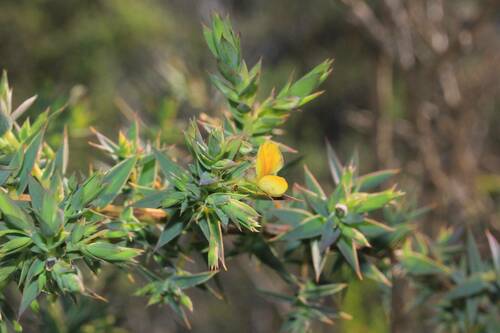
iNaturalist· cc-by-nc
(c) Soh Kam Yung, some rights reserved (CC BY-NC)
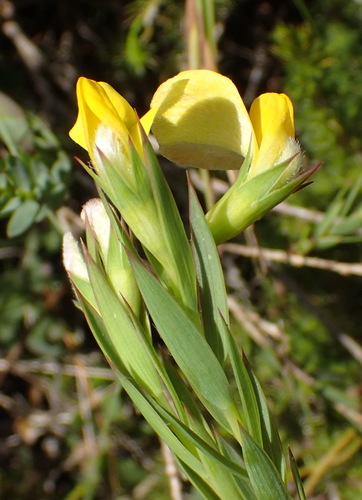
iNaturalist· cc-by-nc
(c) Soh Kam Yung, some rights reserved (CC BY-NC)
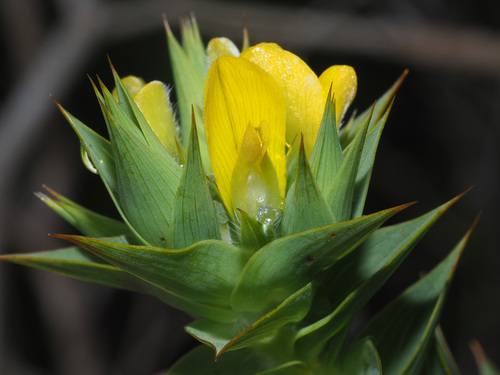
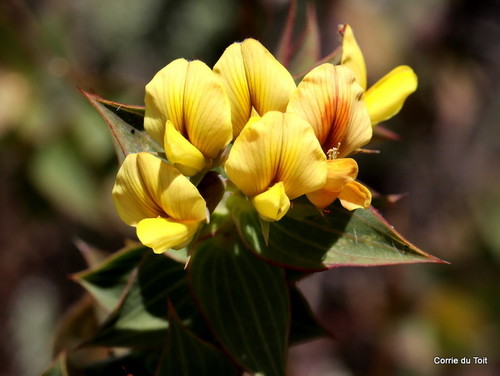
iNaturalist· cc-by-nc
(c) David Torres, some rights reserved (CC BY-NC)
Description
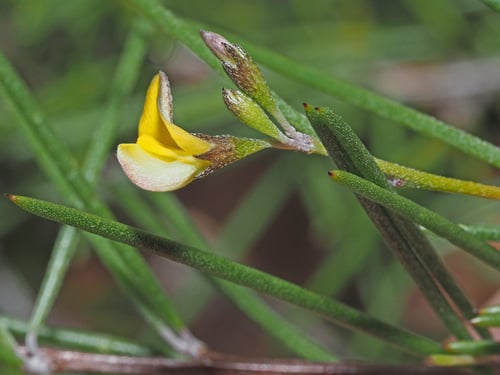
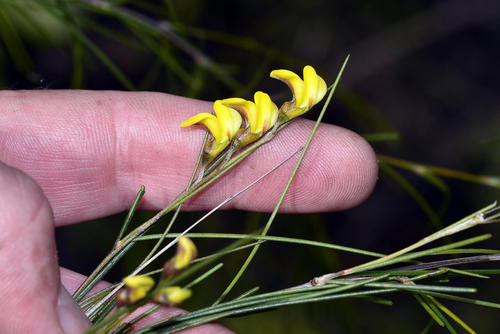
A large tree with buttresses. It is 25 to 40 m high. The leaves have two equal rows of leaflets. The flower heads are on stout flower stalks in the axils of leaves. The pods are wide, rather thick, hang down and are black and shiny when mature.
Edible Uses
The young pods and germinated seeds are eaten, and the pods serve as flavouring. The seeds are also eaten after roasting, though they are slightly bitter.
Traditional Uses
The young pods and germinated seeds are eaten. The pods are also used as flavouring. The seeds are eaten after roasting. (They are slightly bitter.)
Distribution
A tropical plant. They are well scattered throughout the lower forested regions of the Philippines.
Where It Grows
Asia, Bangladesh, Brunei, Himalayas, India, Indochina, Indonesia, Malaysia, Myanmar, Northeastern India, Pacific, Philippines, SE Asia,
Other Information
The fruit are found in local markets.
Notes
Also as Mimosaceae.
Synonyms
Also Known As
Aoelgap, Jongta, Khorial, Kuki tetoi, Kupang, Longchak, Nkampi, Supota, Tupum ash schein, Unkampinching, Yongchak, Zongta, Zongto
References (19)
- Ambasta, S.P. (Ed.), 2000, The Useful Plants of India. CSIR India. p 430
- Arora, R. K., 2014, Diversity in Underutilized Plant Species - An Asia-Pacific Perspective. Bioversity International. p 43
- Das, T. & Das, A. K., 2005, Inventorying plant biodiversity in homegardens: A case study in Barak Valley, Assam, North East India. CURRENT SCIENCE, VOL. 89, NO. 1, 10 JULY 2005
- Facciola, S., 1998, Cornucopia 2: a Source Book of Edible Plants. Kampong Publications, p 153
- Gangte, H. E., et al, 2013, Wild Edible Plants used by the Zou Tribe in Manipur, India. International Journal of Scientific and Research Publications, Volume 3, Issue 5
Show all 19 references Hide references
- Guite, C., 2016, Study of wild edible plants associated with the Paite Tribe of Manipur, India. International Journal of Current Research. Vol. 8, Issue 11, pp. 40927-40932
- Gen. hist. 2:397. 1832
- Medhi, P. & Borthakur, S. K., 2012, Phytoresources from North Cachur Hills of Assam -3: Edible plants sold at Hflong market. Indian Journal or Natural Products and Resources. 3(1) pp 84-109
- Medhi, P. & Borthakur, S. K., 2013, Wild edible plants sold by the Zeme Nagas at the makeshift market of Mahur, Dima Hasao district of Assam. Pleione 7(1): 84 - 93. 2013
- Menninger, E.A., 1977, Edible Nuts of the World. Horticultural Books. Florida p 97
- Monsalud, M.R., Tongacan, A.L., Lopez, F.R., & Lagrimas, M.Q., 1966, Edible Wild Plants in Philippine Forests. Philippine Journal of Science. p 490
- Murtem, G. & Chaudhrey, P., 2016, An ethnobotanical note on wild edible plants of Upper Eastern Himalaya, India. Brazilian Journal of Biological Sciences, 2016, v. 3, no. 5, p. 63-81
- Pasha, M. K. & Uddin, S. B., 2019, Minor Edible Fruits of Bangladesh. Bangladesh J. Plant Taxon. 26(2): 299–313
- Sarma, H., et al, 2010, Updated Estimates of Wild Edible and Threatened Plants of Assam: A Meta-analysis. International Journal of Botany 6(4): 414-423
- Sawian, J. T., et al, 2007, Wild edible plants of Meghalaya, North-east India. Natural Product Radiance Vol. 6(5): p 420
- Singh, H.B., Arora R.K.,1978, Wild edible Plants of India. Indian Council of Agricultural Research, New Delhi. p 77, 83
- Singh, S.R. and Singh, N.I., 1985, A Preliminary Ethnobotanical studies on wild edible plants in the markets of Manipur - 1. J. Econ. Tax. Bot. Vol. 6 No. 3 pp 699-703
- Singh, V. B., et al, (Ed.) Horticulture for Sustainable Income and Environmental Protection. Vol. 1 p 220
- Thokchom, R., et al, 2016, Documentation and assessment of wild medicinal and edible flowers of valley districts of Manipur. International Journal of Research in Applied, Natural and Social Sciences. 4(11):13-20