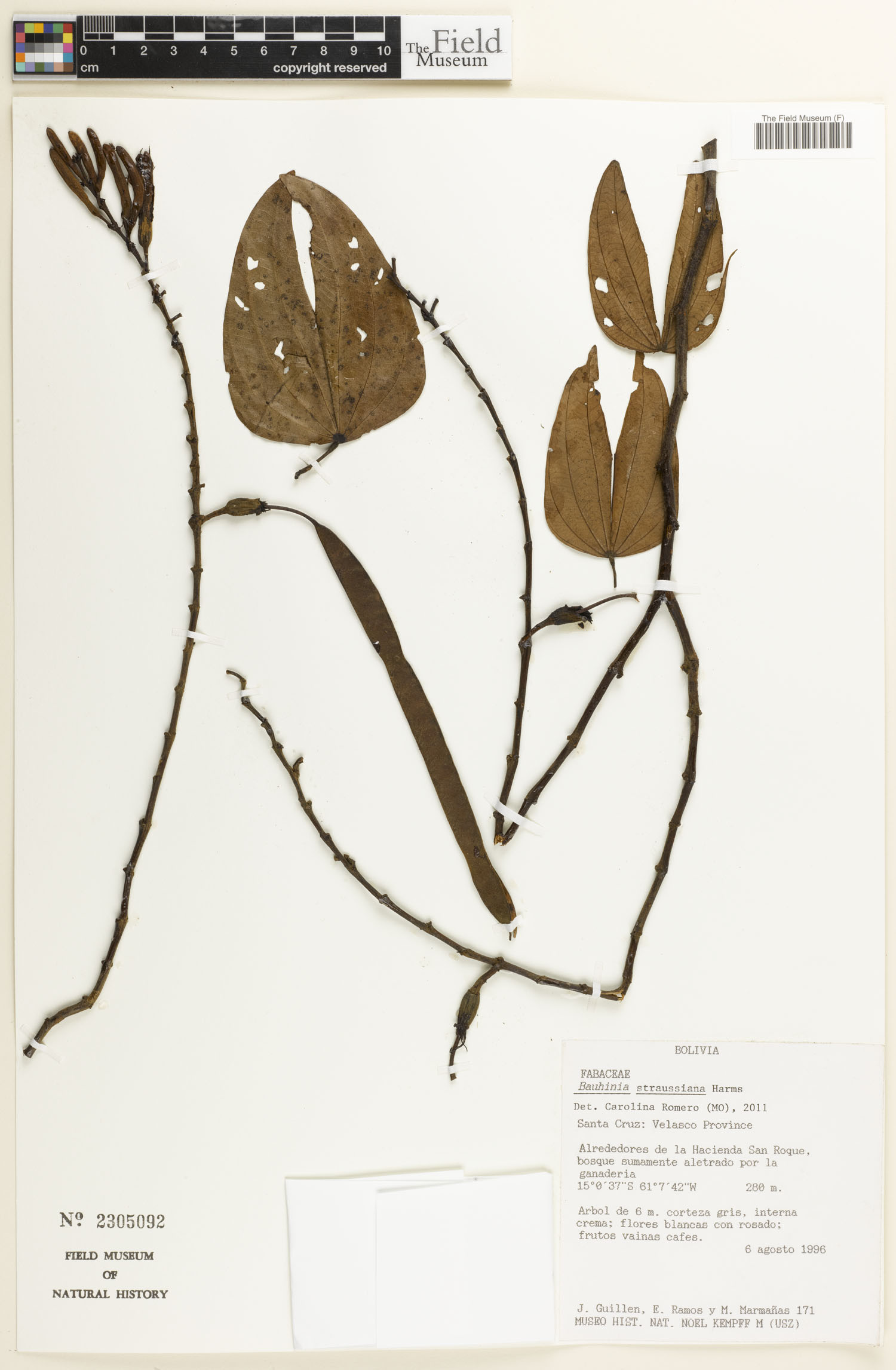
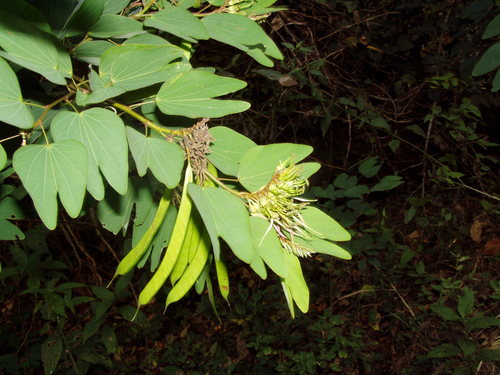
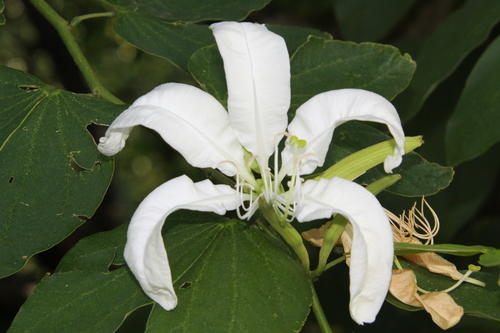
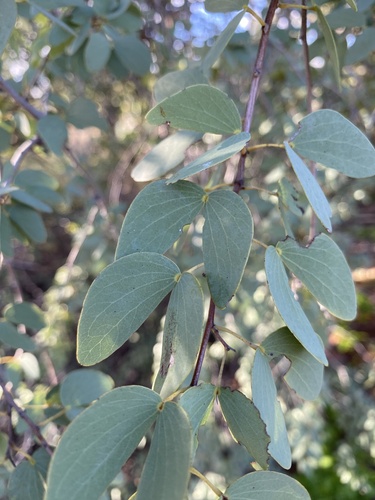
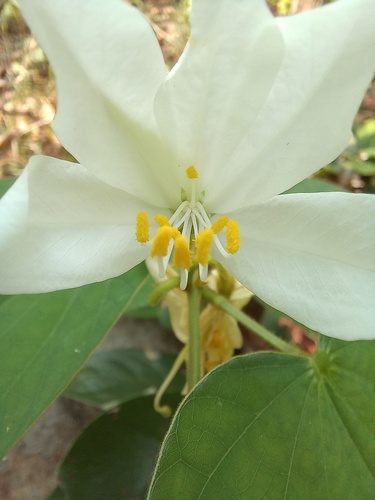
Parkia panurensis
(Humb. & Bonpl. ex Willd.) Benth.
Panure nitta tree
iNaturalist· cc-by-nc
(c) Trevor Van Loon, some rights reserved (CC BY-NC), uploaded by Trevor Van Loon
Description
A tropical tree in the Fabaceae family with red stamens. The seed coat is eaten as a traditional food source.
This description is brief — help expand it
Edible Uses
The seed coat is eaten.
Traditional Uses
The seed coat is eaten.
This uses section is brief — help expand it
Distribution
It is a tropical plant.
Where It Grows
Amazon, Brazil, Colombia, Ecuador, Peru, South America, Venezuela,
Notes
Also as Mimosaceae.
Synonyms
Inga pectinata Humb. & Bonpl. ex Willd.Mimosa pectinata (Humb. & Bonpl. ex Willd.) Poir.Parkia panurensis Benth.Parkia pectinata (Humb. & Bonpl. ex Willd.) Benth.
Also Known As
Arora-tucupi, Arora-tucupy, Brea huayo, Casabe murcielago, Claveillina, Clavellina, Faveria, Goma pashaco, Guama de perro, Hain-'hoo, Ken, Manope, Ma-pa, Pashaco, Poa, Un-que-kan-he, Visgueiro, Visgueiro
References (4)
- Grandtner, M. M. & Chevrette, J., 2013, Dictionary of Trees, Volume 2: South America: Nomenclature, Taxonomy and Ecology. Academic Press p 482 (As Parkia panurensis)
- Kermath, B. M., et al, 2014, Food Plants in the Americas: A survey of the domesticated, cultivated and wild plants used for Human food in North, Central and South America and the Caribbean. On line draft. p 608 (As Parkia panurensis)
- Kew Plants of the World onLine (As Parkia pectinata)
- ILDIS Legumes of the World http:www:ildis.org/Legume/Web (As Parkia panurensis)