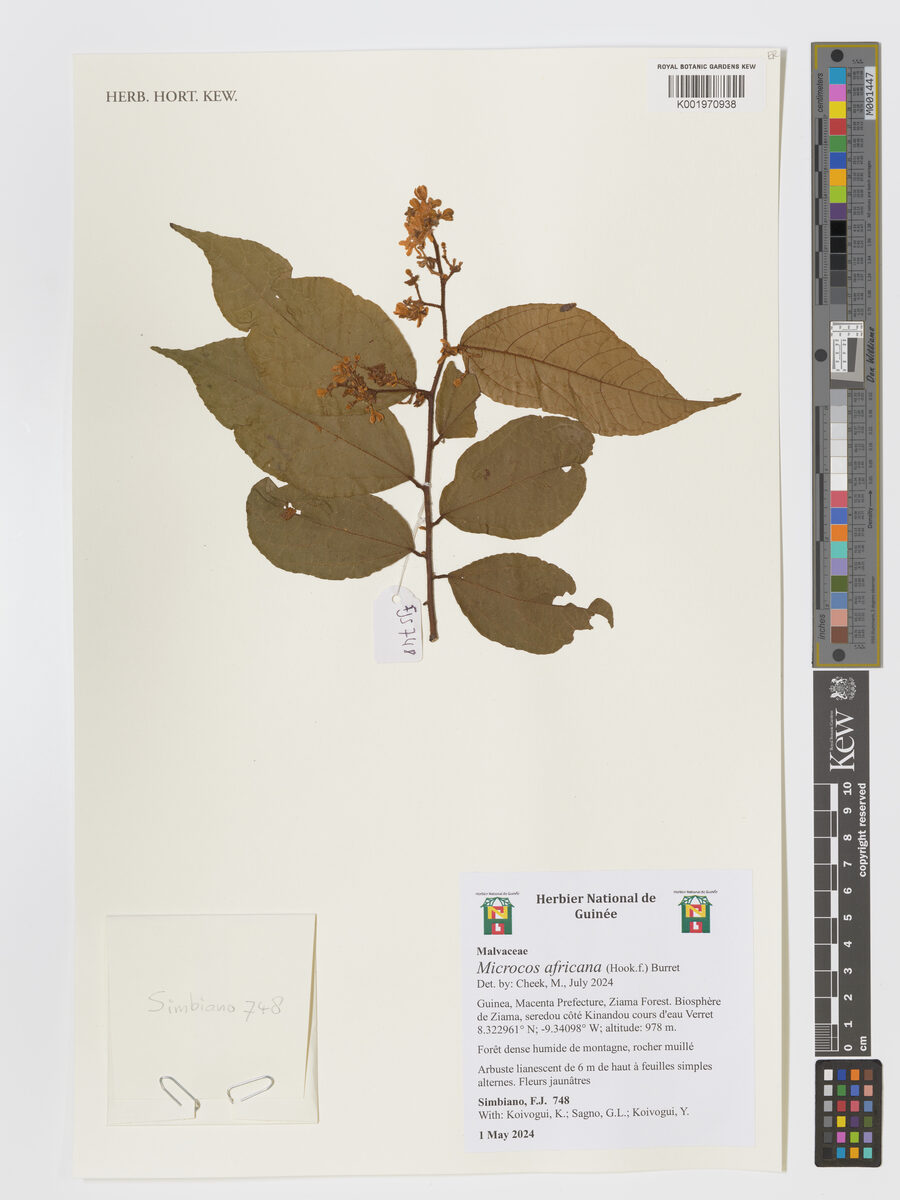
Abutilon longicuspe
Hochst. ex A. Rich.
iNaturalist· cc-by-nc-sa
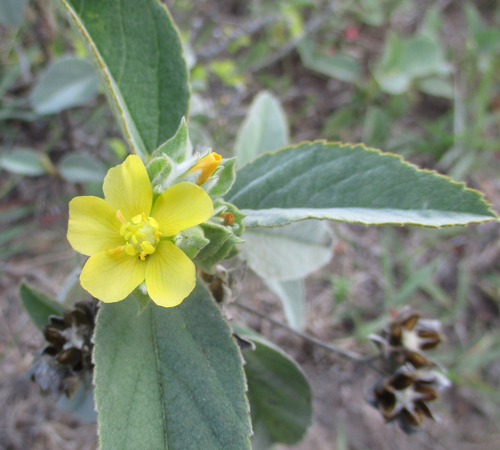
(c) Günter Baumann, some rights reserved (CC BY-NC-SA)
iNaturalist· cc-by-nc-sa
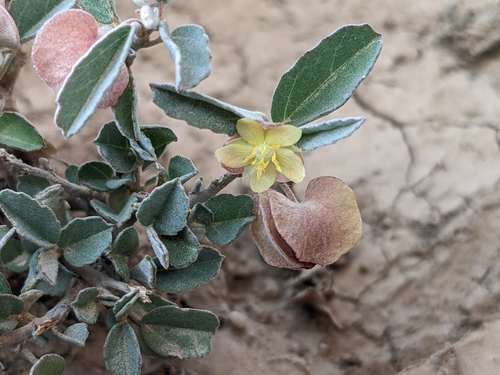
(c) Günter Baumann, some rights reserved (CC BY-NC-SA)
iNaturalist· cc-by-nc-sa
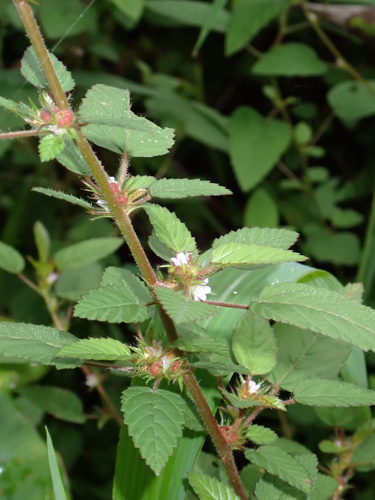
(c) Günter Baumann, some rights reserved (CC BY-NC-SA)
Description
A shrub or small tree. It grows 5 m tall. There are prickles along the stem. The leaves are twice divided and there are 8-18 pairs of pinnae. There are up to 50 pairs of pinnules on each pinnae. The flowers are yellow. They are in large clusters at the ends of branches. The pods are flattened.
Edible Uses
Flowers - cooked and used as a vegetable. They are chopped, cleaned and then cooked. Pounded groundnuts, onions and tomatoes are added and then it is eaten with ugali or rice.
Traditional Uses
The flowers are chopped and cooked.
This uses section is brief — help expand it
Medicinal Uses
The plant is used to ease childbirth and to expel the placenta. The root is used for the treatment of stomach problems.
Distribution
It is a tropical plant. It is often in valleys and along rivers.
Where It Grows
Africa, East Africa, Eritrea, Mozambique, Sudan, Tanzania,
Cultivation
Plants can be grown by seeds.
Other Uses
The fibre from the stem bark is used locally to make rope, string and withies for basket making. The flowers are good bee forage.
Synonyms
Also Known As
Nyamabumu
References (3)
- Grubben, G. J. H. and Denton, O. A. (eds), 2004, Plant Resources of Tropical Africa 2. Vegetables. PROTA, Wageningen, Netherlands. p 559
- Ruffo, C. K., Birnie, A. & Tengnas, B., 2002, Edible Wild Plants of Tanzania. RELMA p 82
- World Checklist of Useful Plant Species 2020. Royal Botanic Gardens, Kew