Sterculia treubii
Hochr.
Cenda kepuh tree
gbif· cc0
President and Fellows of Harvard College
Description
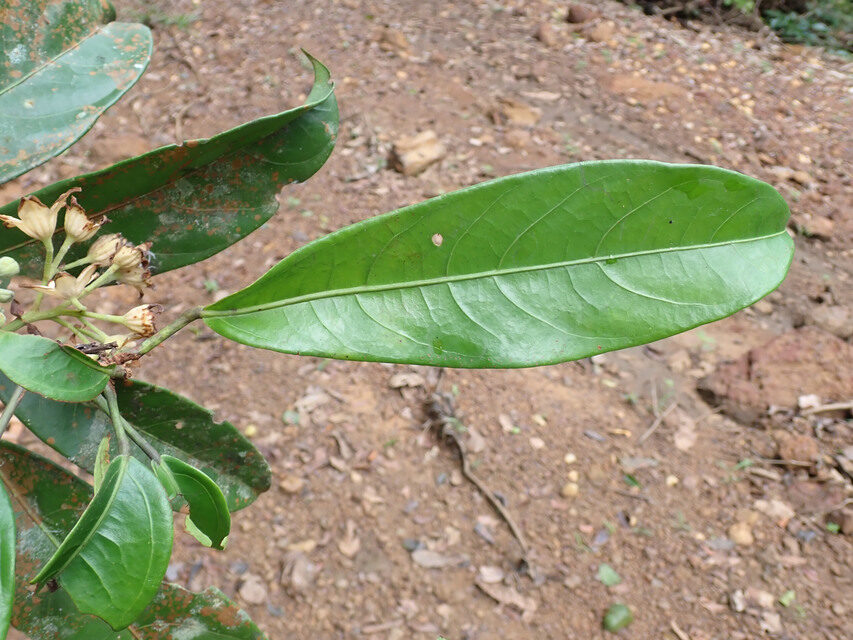
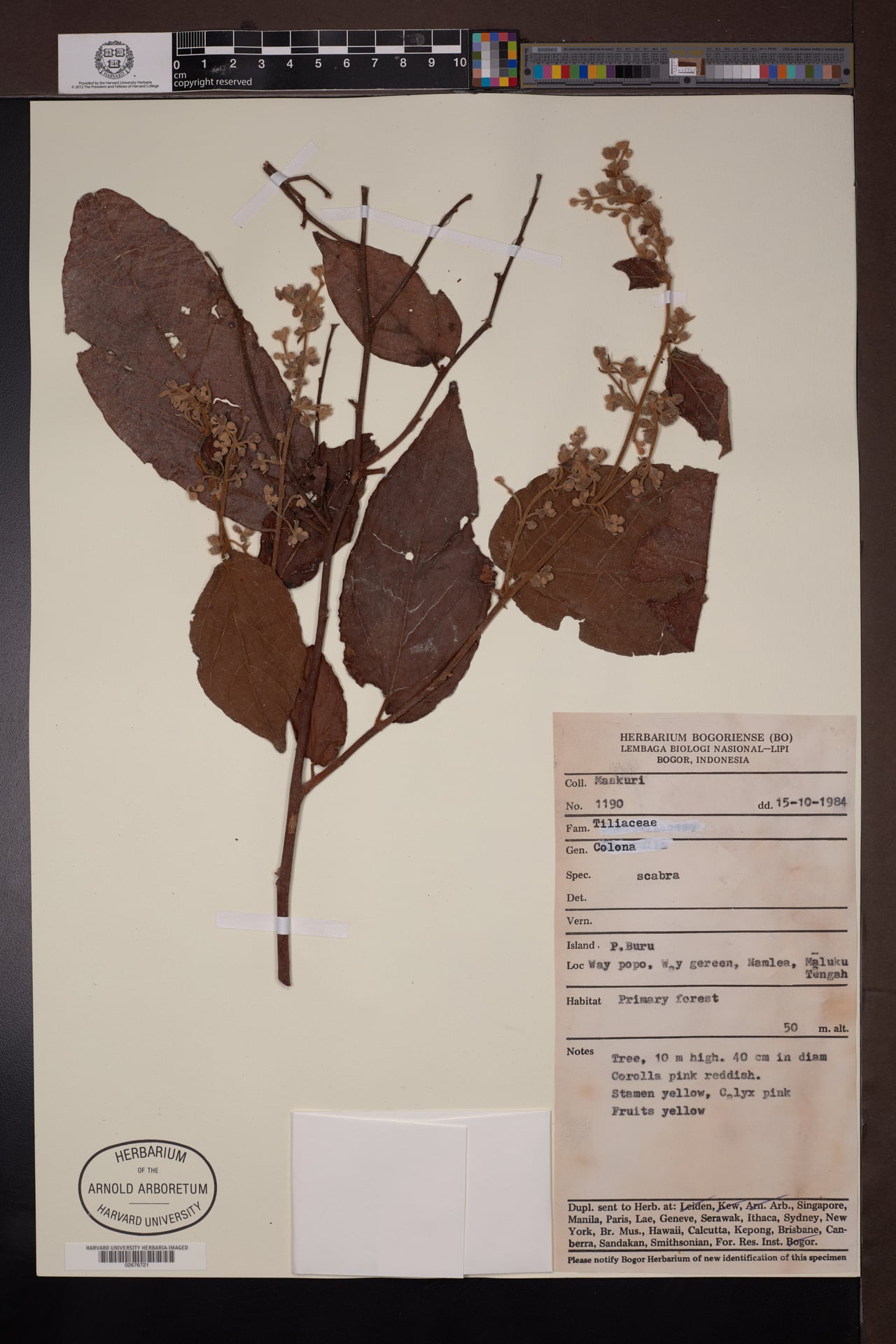
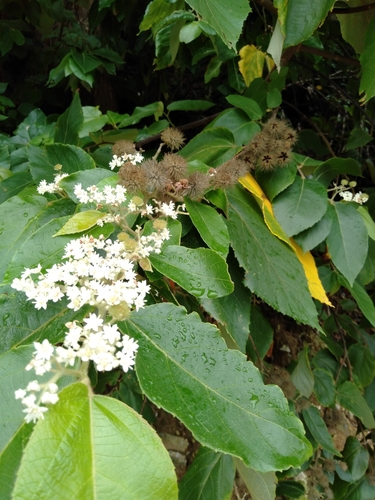
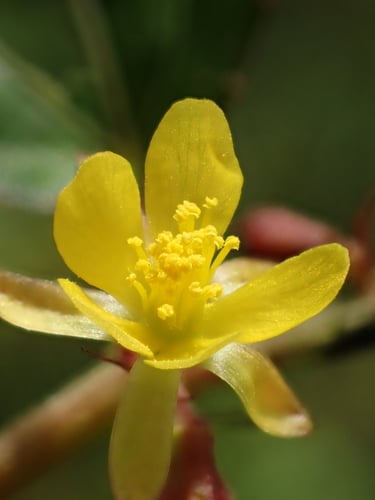
A tree. It grows 30 m tall. The trunk is straight and 60 cm across. The leaves are simple and alternate. They are narrowly oval and 10-30 cm long by 5-14 cm wide. The base is rounded. The flowering shoots have many branches. They are in the axils of leaves or near the ends of branches. The fruit is a star shaped pod. It is oblong and has 2-5 follicles. It is 4-9.5 cm long and red and splits open. The seeds are narrowly oval, black and 1.5 cm long.
Edible Uses
The seeds are eaten, and seed oil is used.
Distribution
A tropical plant. It grows in primary and secondary forests up to 1,000 m above sea level.
Where It Grows
Asia, Indonesia, Malesia, New Guinea, Sunda Is., SE Asia,
Cultivation
Plants are grown from seeds.
Notes
Also put in the family Sterculiaceae.
Also Known As
Pohon kepuh cenda
References (6)
- Burkill, I.H., 1966, A Dictionary of the Economic Products of the Malay Peninsula. Ministry of Agriculture and Cooperatives, Kuala Lumpur, Malaysia. Vol 2 (I-Z) p 2114
- Menninger, E.A., 1977, Edible Nuts of the World. Horticultural Books. Florida p 42
- Sukarya, D. G., (Ed.) 2013, 3,500 Plant Species of the Botanic Gardens of Indonesia. LIPI p 525
- Walter, A. & Sam C., 2002, Fruits of Oceania. ACIAR Monograph No. 85. Canberra. p 248
- Wickens, G.E., 1995, Edible Nuts. FAO Non-wood forest products. FAO, Rome. p156
Show all 6 references Hide references
- World Checklist of Useful Plant Species 2020. Royal Botanic Gardens, Kew