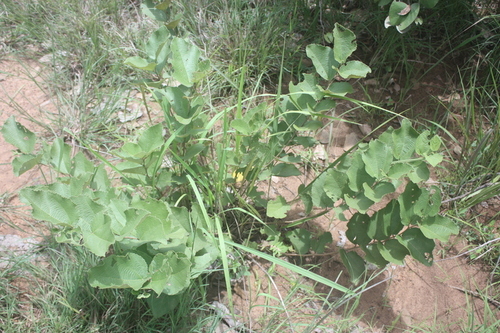
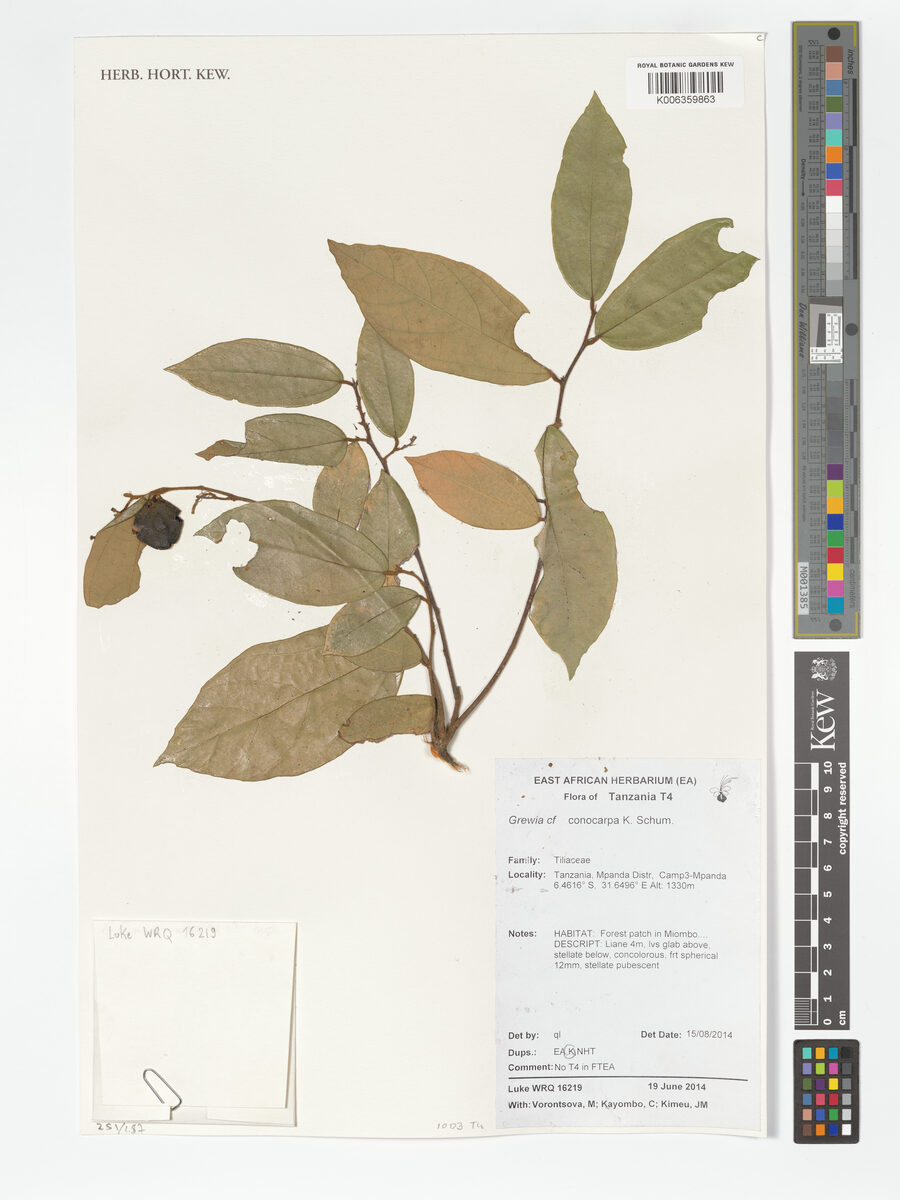
Sterculia urceolata
J. E. Smith
Bahenteng kepuh tree
wikimedia· cc0
Wikimedia Commons - Koorders, S. H.; Valeton, Theodoric
wikimedia· cc-by-sa
Wikimedia Commons - Raflinoer32
Description
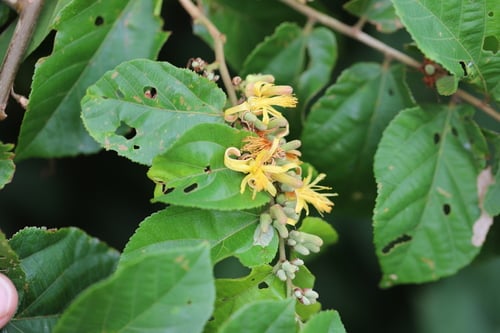
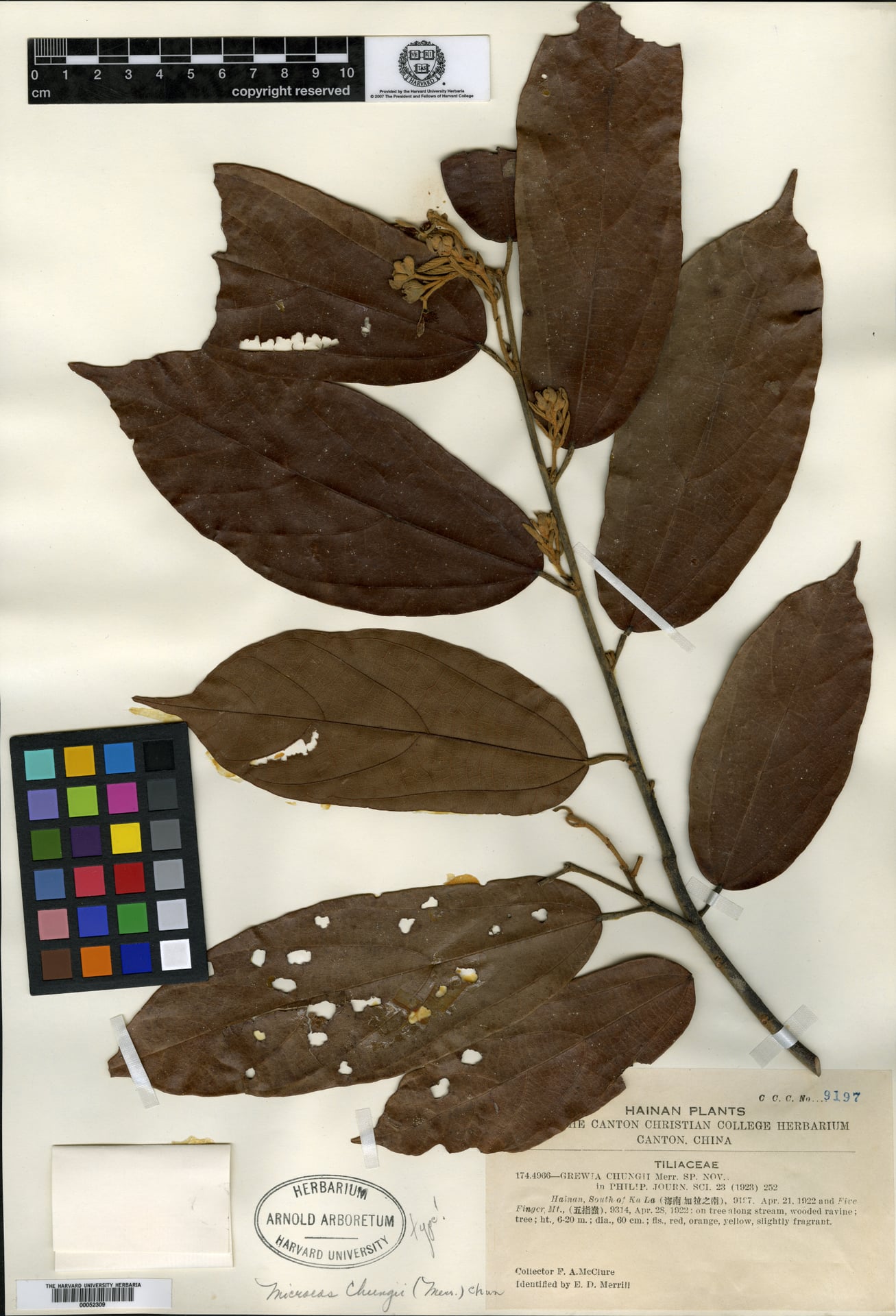
A tree. It grows 30 m tall. The trunk is straight and 60 cm across. The leaves are simple and alternate. They are narrowly oval to oblong and 10-30 cm long by 5-14 cm wide. They are hairy underneath. The flowering shoots have many branches and the flowers are in axils of the leaves. Male flowers are orange-red with 8-11 anthers. The fruit is a star shaped pod with 4-5 follicles. It is broadly oval and 4-9 cm long. It is red and splits open. The seeds are narrowly oval and 1.5 cm long. They are dark brown or black.
Edible Uses
The seeds are eaten.
Distribution
It is a tropical plant. It grows in primary and secondary forests up to 200 m above sea level.
Where It Grows
Asia, Indonesia, New Guinea, Sunda Is, SE Asia,
Cultivation
Plants are grown from seeds.
Propagation
A physical dormancy caused by the hard seed coat of the mature seeds of many species in this genus can be overcome by scarifying the seed. This is carried out by cutting away or abrading some of the seed coat to allow the ingress of water, though great care must be taken not to damage the embryo. The aril surrounding the seed should also be removed - this is easiest when it has been softened through soaking in water. The seeds germinate optimally at temperatures between 20 - 30°c. They can be sown in a nursery seedbed or in containers. A germination rate of about 95%, occurring within about 2 weeks can be expected if the seed has been properly treated.
Other Uses
An oil is obtained from the seed. The leaves are used to make a hair wash that cleans the hair and also promotes hair growth. Research has shown that ethanol extracts of the plant promote hair growth - the most effective was a mixture of 85% water and 15% ethanol extract.
Notes
Also put in the family Sterculiaceae.
Synonyms
Also Known As
Pohon kepuh bahenteng
References (5)
- Burkill, I.H., 1966, A Dictionary of the Economic Products of the Malay Peninsula. Ministry of Agriculture and Cooperatives, Kuala Lumpur, Malaysia. Vol 2 (I-Z) p 2114
- Menninger, E.A., 1977, Edible Nuts of the World. Horticultural Books. Florida p 42
- Walter, A. & Sam C., 2002, Fruits of Oceania. ACIAR Monograph No. 85. Canberra. p 248
- Wickens, G.E., 1995, Edible Nuts. FAO Non-wood forest products. FAO, Rome. p 156
- World Checklist of Useful Plant Species 2020. Royal Botanic Gardens, Kew