Sterculia vitiensis
Seemann
Wathiwathi
iNaturalist· cc-by
(c) Dominik Maximilián Ramík, some rights reserved (CC BY), uploaded by Dominik Maximilián Ramík
iNaturalist· cc-by
(c) Dominik Maximilián Ramík, some rights reserved (CC BY), uploaded by Dominik Maximilián Ramík
iNaturalist· cc-by
(c) Shelomi Doyle, some rights reserved (CC BY), uploaded by Shelomi Doyle
Description
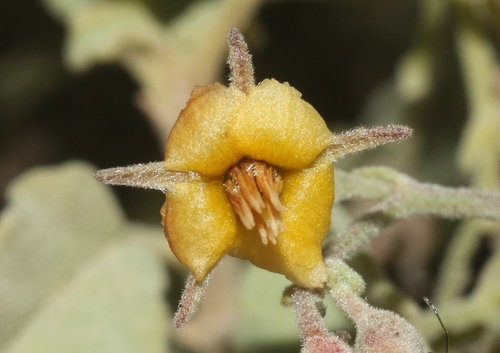
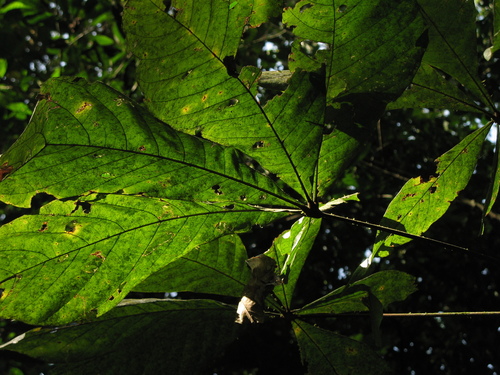
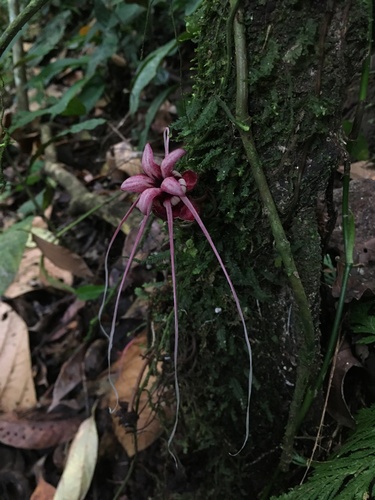
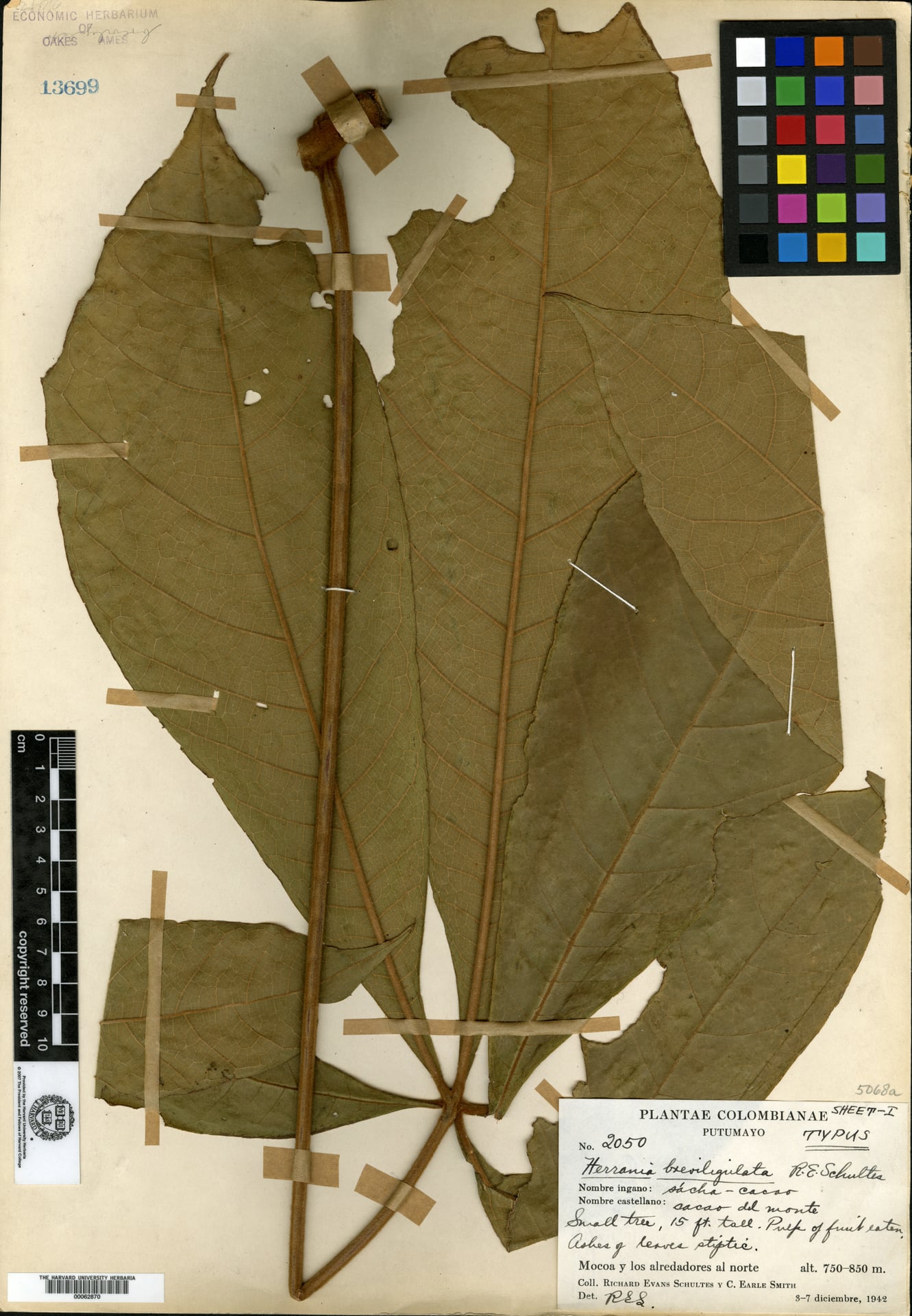
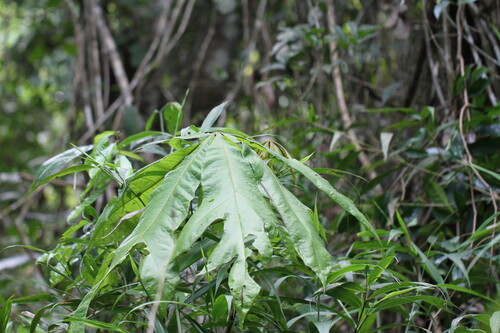
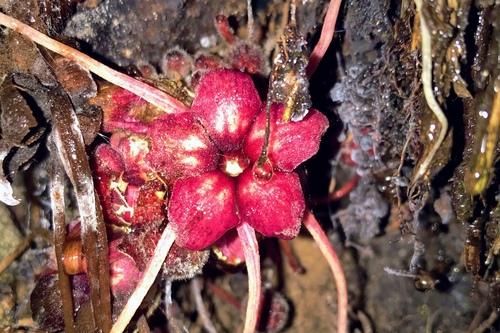
A slender tree. It grows 8-25 m tall. The trunk is 1.2 m across. It has thin buttresses. The leaves are in a spiral at the ends of the branches. The leaves are compound with 7-9 leaflets spread out like fingers on a hand. The leaf stalk is 20 cm long. The leaflets are 10-25 cm long by 3-10 cm wide. The base of the leaf has a sharp point. There are 12-15 pairs of veins. The flowers are in groups towards the ends of branches. The petals are yellow then red. The fruit are fat pods (follicles) that turn yellow-orange at maturity. They are 8-10 cm across. The fruit split at maturity and are bright red inside. There are several glossy black seeds. They are 1-2 cm long.
Edible Uses
Seed - grilled. An excellent flavour. The seeds when ripe are eaten grilled, either directly in their shells or separately after being extracted by hand. The elongate seeds are around 10 - 20mm long.
Traditional Uses
The seeds are eaten roasted or fried.
This uses section is brief — help expand it
Distribution
A tropical plant. In Fiji it grows in lowland forest up to 300 m altitude.
Where It Grows
Fiji, Pacific*, Vanuatu,
Cultivation
Plants are grown from seeds.
Propagation
A physical dormancy caused by the hard seed coat of the mature seeds of many species in this genus can be overcome by scarifying the seed. This is carried out by cutting away or abrading some of the seed coat to allow the ingress of water, though great care must be taken not to damage the embryo. The aril surrounding the seed should also be removed - this is easiest when it has been softened through soaking in water. The seeds germinate optimally at temperatures between 20 - 30°c. They can be sown in a nursery seedbed or in containers. A germination rate of about 95%, occurring within about 2 weeks can be expected if the seed has been properly treated.
Other Uses
The tree is said to yield a useful timber, although it is not common enough to be frequently used. The soft wood is sometimes used for making canoes.
Notes
Also put in the family Sterculiaceae.
Also Known As
Waciwaci
References (6)
- Blench, R., 2004, Fruits and Arboriculture in the Indo-Pacific Region. Indo-Pacific Prehistory Association Bulletin 24. (Taipei Papers Volume 2) p 40
- Clarke, W.C. & Thaman, R.R., 1993, Agroforestry in the Pacific Islands: Systems for sustainability. United Nations University Press. New York. p 83
- GTZ 1996, A Guide to some Indigenous Fijian Trees. GTZ Suva. p 219
- Smith, A.C., 1981, Flora Vitiensis Nova: A New flora of Fiji, Hawai Botanical Gardens, USA Vol 2 p 401
- Walter, A & Sam, C., 1995, Indigenous Nut Trees in Vanuatu: Ethnobotany and Variability. In South Pacific Indigenous Nuts. ACIAR Proceedings No 69. Canberra. p 57
Show all 6 references Hide references
- Walter, A. & Sam C., 2002, Fruits of Oceania. ACIAR Monograph No. 85. Canberra. p 245, 281