Aframomum verrucosum
Lock
Summary
Source: WikipediaAframomum verrucosum is a species in the ginger family, Zingiberaceae. It was first described by John Michael Lock.
Description
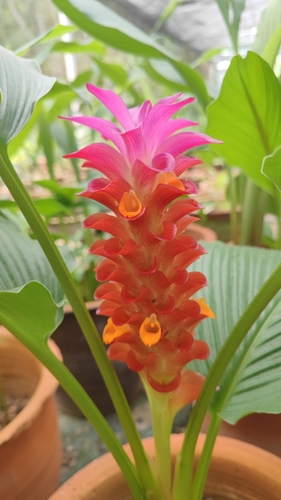
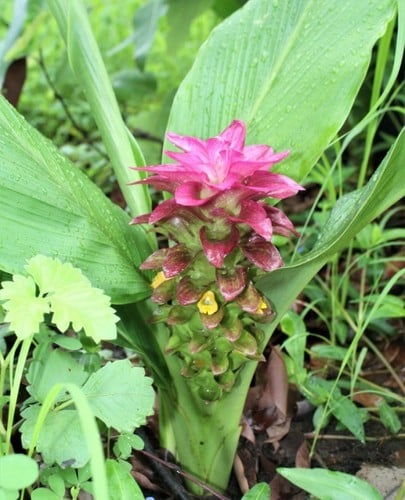
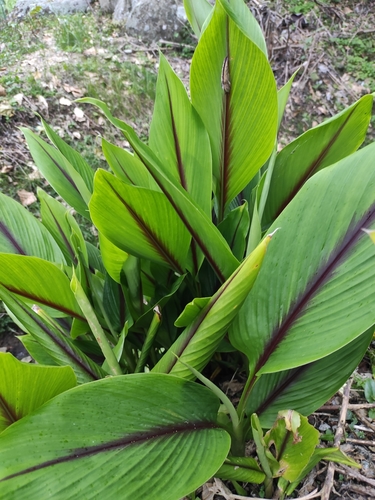
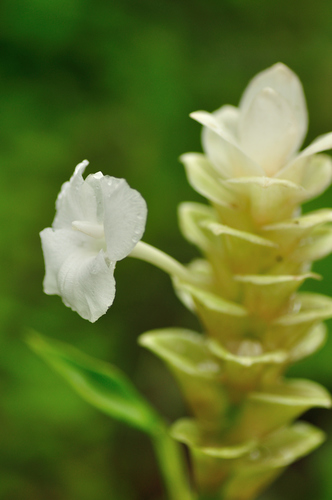
A ginger family plant. It is a herb that keeps growing from year to year. It has extensive rhizomes that are 4-6 mm thick. The leafy shoots are 2-3 m tall. The leaves are narrowly oval and 25-30 cm long by 6-7 cm wide. The base is rounded. There are 2-4 flowers on the flowering stalk. The flowering shoot is 5-30 cm long and comes from the base of the leafy shoots. The petals are pale red. The fruit are oval and 9 cm long. There is a beak at the end. The fruit are red and shiny and have ridges along them. The seeds are angular and 4-5 mm long by 3-4 mm wide. They are a dull dark brown.
Edible Uses
The fruit, including seeds, are eaten raw.
Traditional Uses
The fruit including seeds are eaten raw.
This uses section is brief — help expand it
Distribution
It is a tropical plant. It grows in swampy forest. It grows up to 1,100 m above sea level.
Where It Grows
Africa, Central Africa, Central African Republic, CAR, Congo DR, Gabon, Tanzania, Uganda,
Also Known As
Kobasa, Lidulu
References (2)
- e-monocot.org/taxon/urn:kew.org:wcs:taxon:218426
- Termote, C., et al, 2011, Eating from the wild: Turumbu, Mbole and Bali traditional knowledge of non-cultivated edible plants, District Tshopo, DRCongo, Gen Resourc Crop Evol. 58:585-618