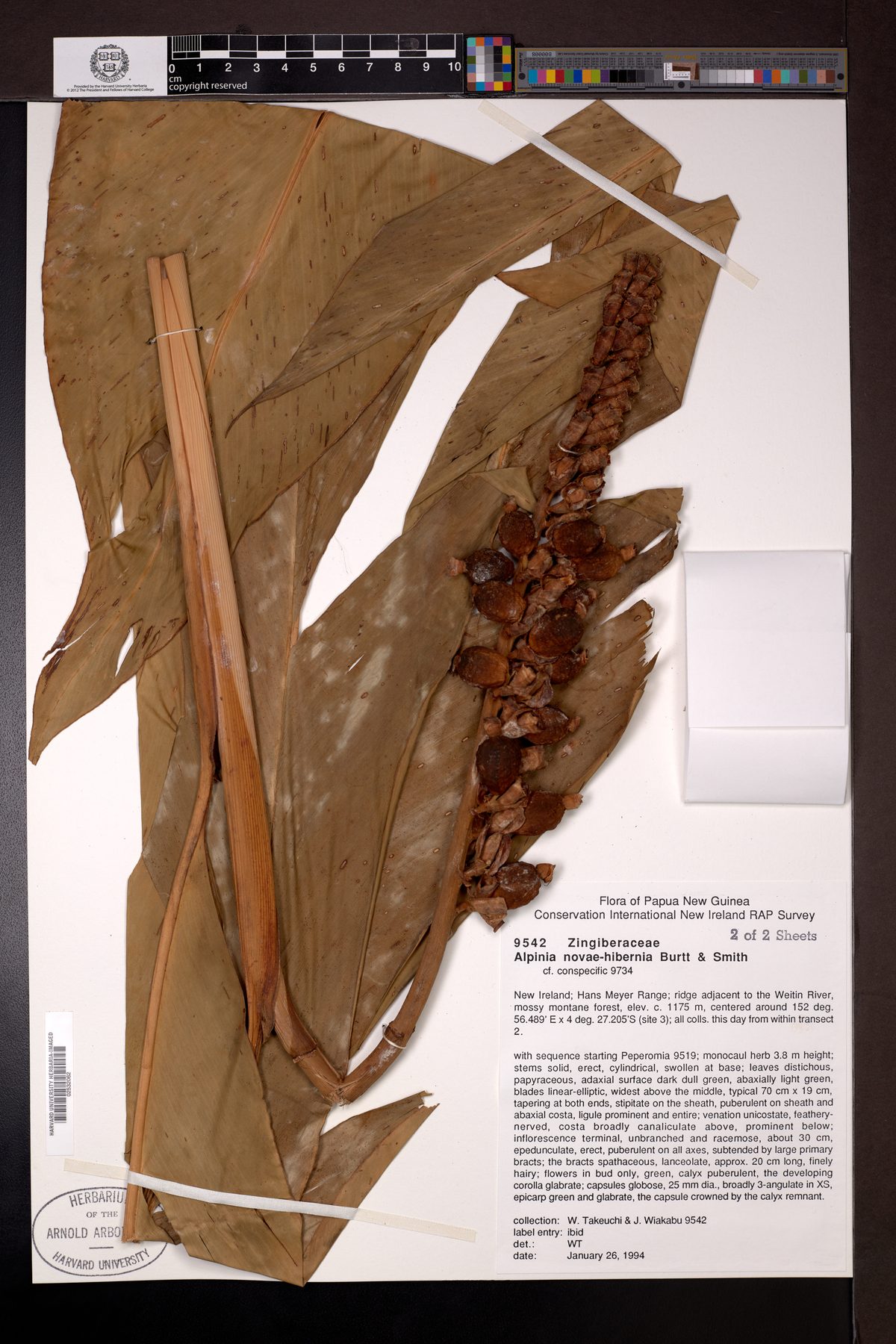
Curcuma caesia
Roxb.
Black zedoary
iNaturalist· cc-by-nc
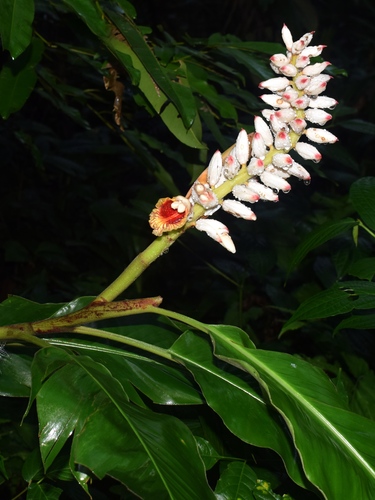
(c) jessica, some rights reserved (CC BY-NC), uploaded by jessica
iNaturalist· cc-by
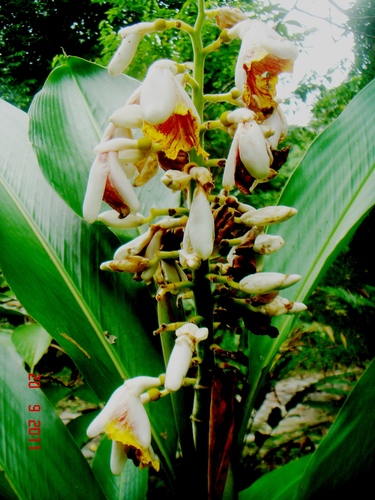
(c) Ashwin A, some rights reserved (CC BY)
Summary
Source: WikipediaCurcuma caesia, black turmeric or black zedoary, is a perennial herb with bluish-black rhizomes that is native to northeast India.
Description
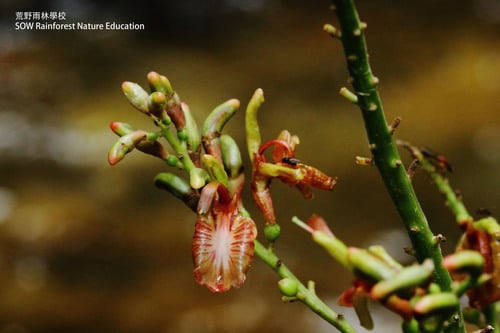
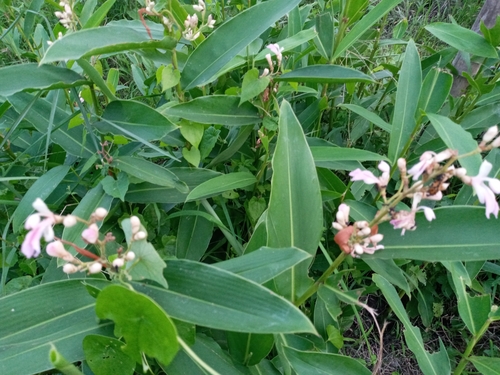
A ginger family herb. It keeps growing from year to year. The rhizome is bluish-black. It grows 2-6 m long. The plant grows 1 m tall. The leaves are in groups of 10-20 and are broadly sword shaped. The flowers are 15-20 cm long in a spike. The flowers develop before the leaves.
Edible Uses
The fresh rhizome is occasionally used as a spice, and the flowers are also edible.
Traditional Uses
The fresh rhizome is occasionally used as a spice.
This uses section is brief — help expand it
Medicinal Uses
The plant is used in traditional medicine.
Distribution
It is a tropical plant. In Queen Sirikit BG.
Where It Grows
Asia, Bangladesh, India, Northeastern India, SE Asia, Thailand,
Cultivation
Plants can be grown from the rhizome.
Other Information
It is cultivated.
Notes
It is used in medicine.
Synonyms
Also Known As
Chong-ut, Kalacheng, Kala-haldi, Krishna kedar, Nalla pasupi, Yaingang amuba
References (7)
- Arora, R. K., 2014, Diversity in Underutilized Plant Species - An Asia-Pacific Perspective. Bioversity International. p 25
- Borah, R. L., & Sharma, G. C., 2012, Systematic Survey of Zingiberaceae of Dibrugarh District, Assam, India. Indian Journal of Fundamental and Applied Life Science 2(2): pp 365-373
- Mishra, M., 2013, Utilization of wild tuberous plants in extreme environmental condition: A Case of Baiga Tribe of Central India. The Journal of Ethnobiology and Traditional Medicine. Photon 118 (2013) 366-372
- Seidemann J., 2005, World Spice Plants. Economic Usage, Botany, Taxonomy. Springer. p 126
- Teron, R. & Borthakur, S. K., 2016, Edible Medicines: An Exploration of Medicinal Plants in Dietary Practices of Karbi Tribal Population of Assam, Northeast India. In Mondal, N. & Sen, J.(Ed.) Nutrition and Health among tribal populations of India. p 157
Show all 7 references Hide references
- Toppo, P. et al, 2016, Wild edible plants of Dhamtari district of Chhattisgarh, India. Van Sangyan Vol. 3, No. 4
- Zeven, A. C. & de West, J. M. J., 1982, Dictionary of cultivated plants and their regions of diversity. Wageningen. p 80