Sesbania microphylla
E. Phillips & Hutch.
iNaturalist· cc-by
(c) Robert Taylor, some rights reserved (CC BY), uploaded by Robert Taylor
iNaturalist· cc-by
(c) Robert Taylor, some rights reserved (CC BY), uploaded by Robert Taylor
Description
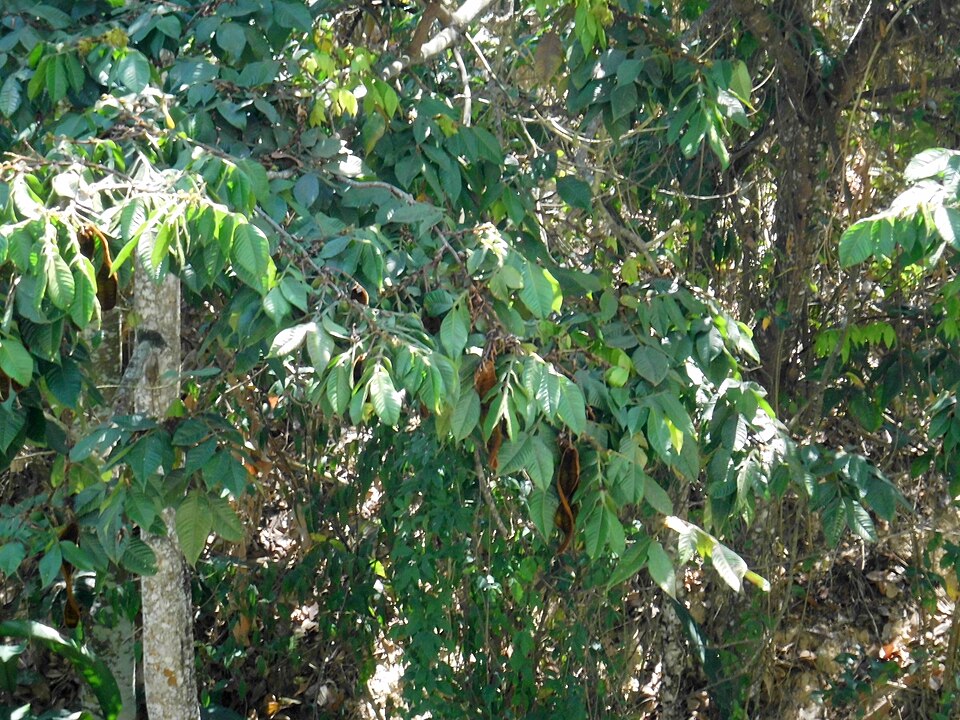
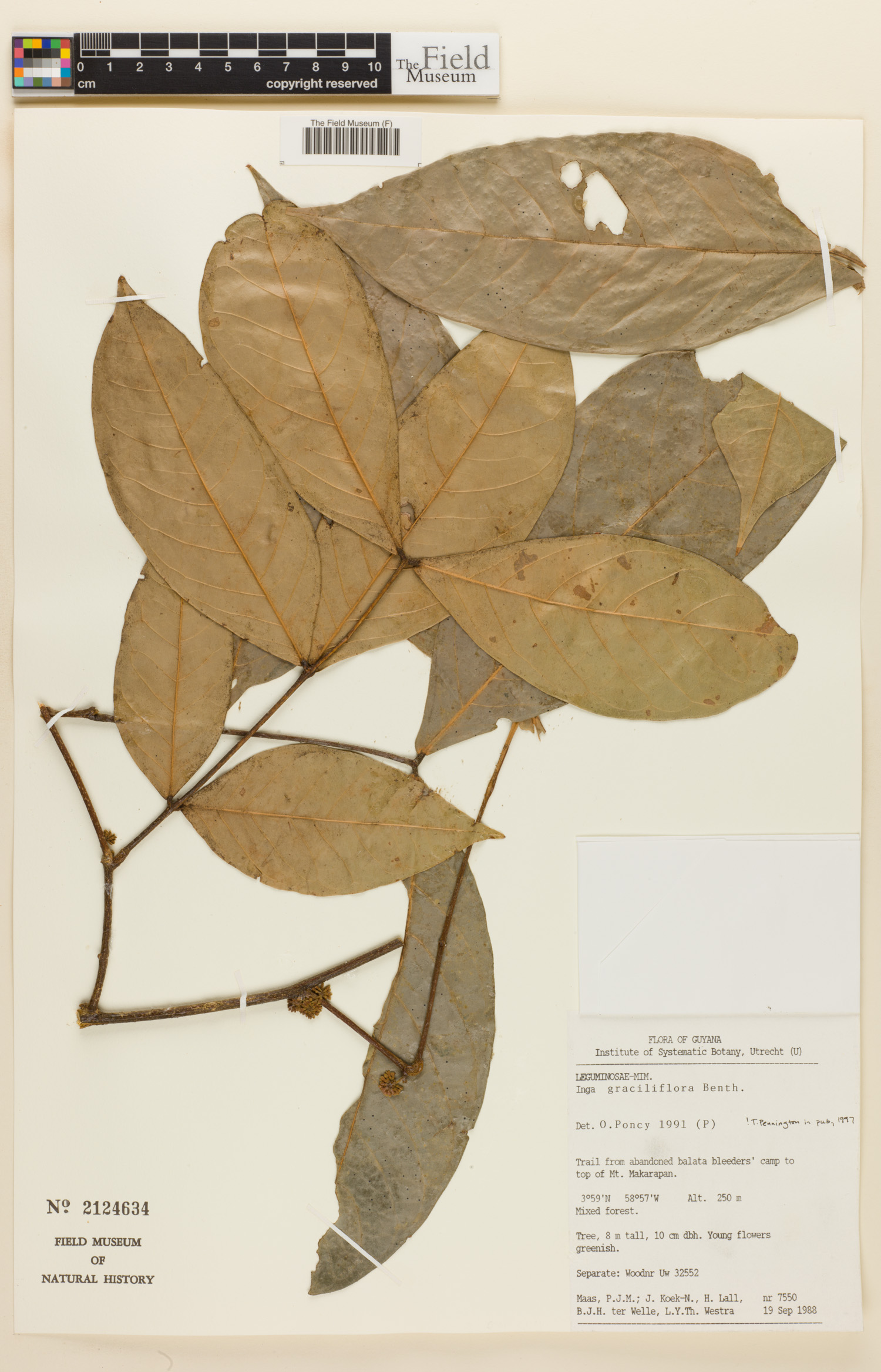
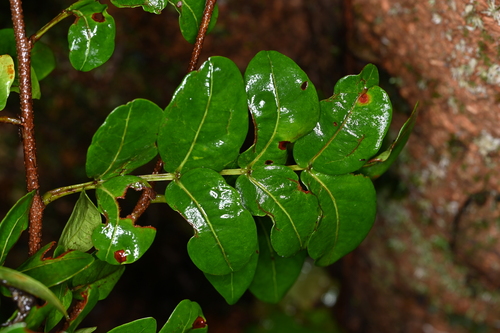
An annual herb. It grows in water. It grows 1-4 m high. It is slightly woody. The leaves are compound with 5-30 pairs of leaflets. They are narrow and pale green and softly hairy underneath. The flowers are yellow with purple spots. The fruit are small narrow pods. The seeds are dark purplish brown.
Edible Uses
The leaves are eaten as a vegetable.
Traditional Uses
The leaves are eaten as a vegetable.
This uses section is brief — help expand it
Distribution
It is a tropical plant It grows in permanently water logged clay soils. It grows between 850-1,200 m above sea level. It grows in areas with an annual rainfall between 1,000-1,300 mm. It can grow in arid places.
Where It Grows
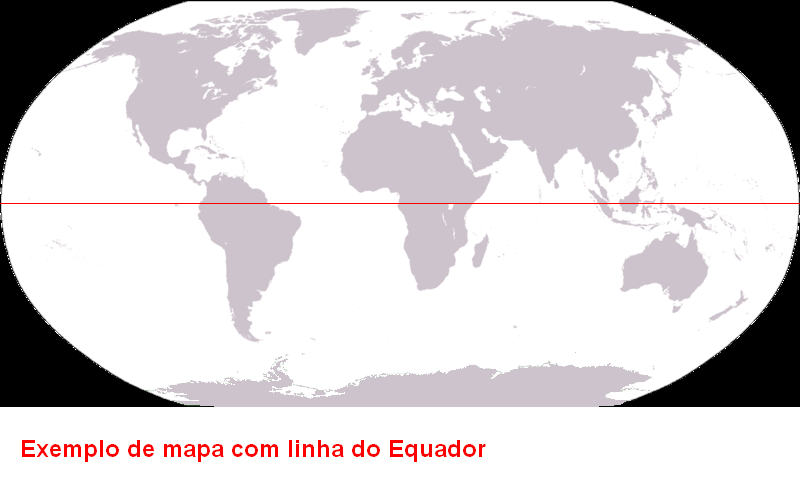
Africa, Angola, Botswana, Central Africa, Central African Republic, CAR, Chad, Congo, East Africa, Namibia, Southern Africa, Sudan, Tanzania, Uganda, Zambia, Zimbabwe,
Synonyms
Also Known As
Lirearea, Mutwe, Okashemetele
References (5)
- Royal Botanic Gardens, Kew (1999). Survey of Economic Plants for Arid and Semi-Arid Lands (SEPASAL) database. Published on the Internet; http://www.rbgkew.org.uk/ceb/sepasal/internet [Accessed 29th April 2011]
- Ruiters-Welcome, A. K., 2019, Food plants of southern Africa. Ph.D. thesis. Univ. of Johannesburg p 61
- van Wyk, Ben-Erik, 2019, The diversity and multiple uses of southern African legumes. Australian Systematic Botany, 2019, 32, 519–546
- Welcome, A. K. & Van Wyk, B.-E., 2019, An inventory and analysis of the food plants of southern Africa. South African Journal of Botany 122 (2019) 136–179
- World Checklist of Useful Plant Species 2020. Royal Botanic Gardens, Kew