Vigna gracilis
(Guill. & Perr.) Hook. f.
iNaturalist· cc-by-nc-sa
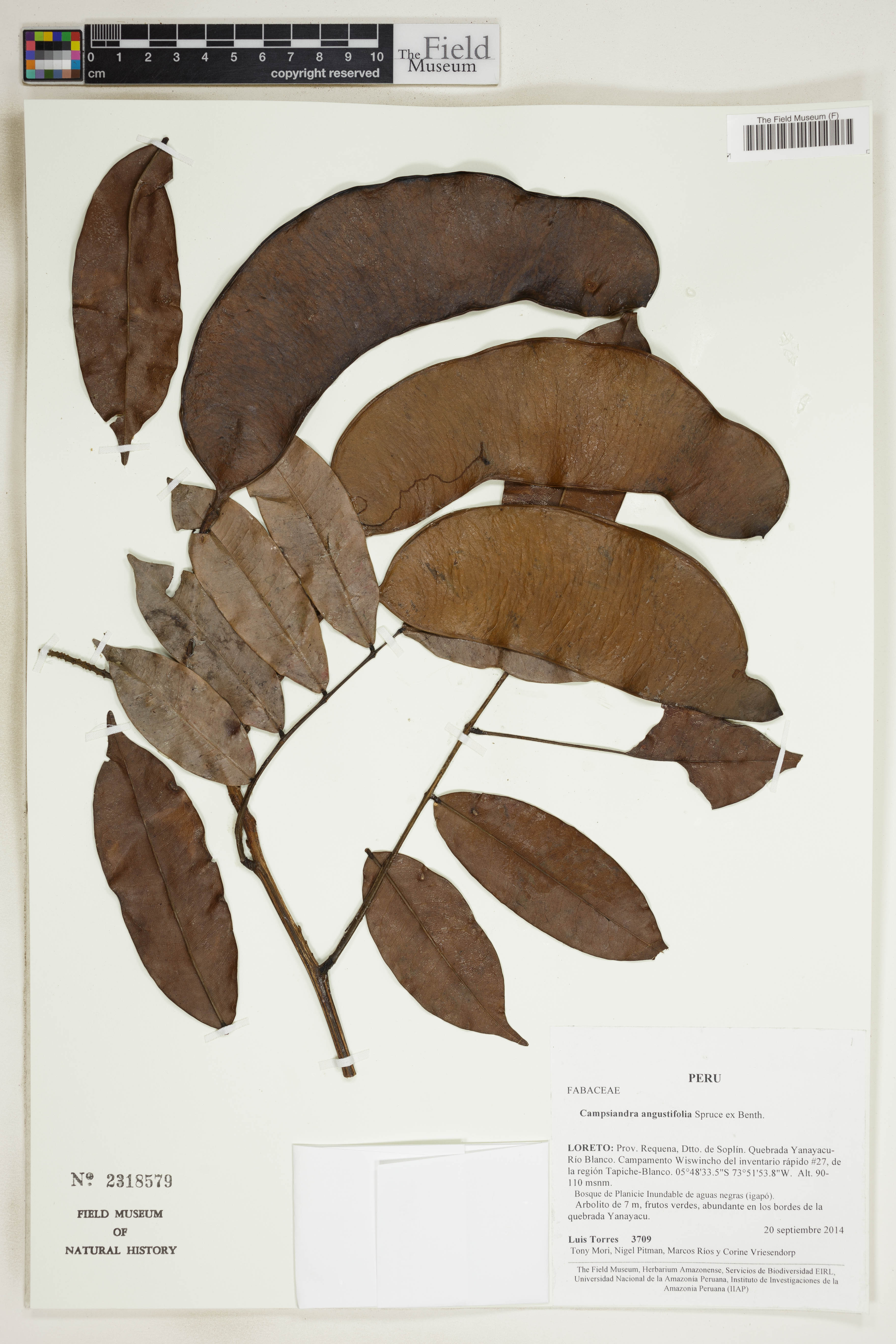
(c) Smithsonian Institution, National Museum of Natural History, Department of Botany, some rights reserved (CC BY-NC-SA)
iNaturalist· cc-by-nc
(c) Royal Botanic Garden Edinburgh, some rights reserved (CC BY-NC)
wikimedia· cc0
Wikimedia Commons - NMNH
Description
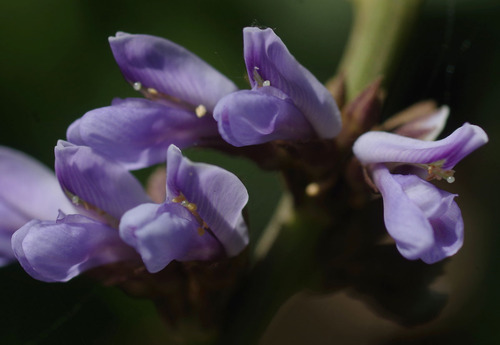
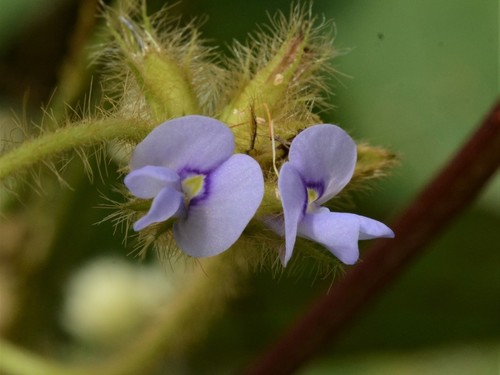
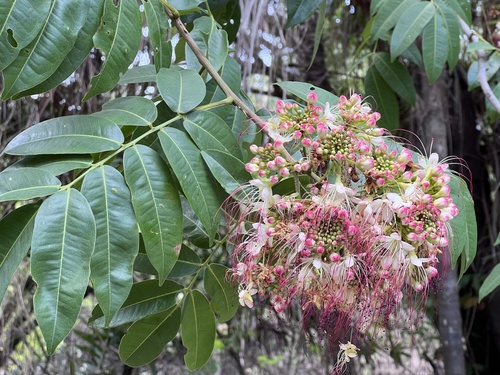
A slender twining herb of the Fabaceae family, growing about 1 m long and found in damp grassy places near forest edges and swamps in tropical regions.
Edible Uses
The pods and seeds are eaten as vegetables.
Distribution
It is a tropical plant. It grows in damp grassy places. It is near the edges of forests and near swamps.
Where It Grows
Africa, Burkina Faso, Central Africa, Congo, Gabon, Guinea, Guinée, Guinea-Bissau, Niger, Nigeria, Sao Tome and Principe, Senegal, Sierra Leone, West Africa,
Synonyms
Also Known As
Baielo, Burongoi, Djulundium, Ngakwi
References (4)
- Burkill, H. M., 1985, The useful plants of west tropical Africa, Vol. 3. Kew.
- Dakora, F. D., 2013, Biogeographic Distribution, Nodulation and Nutritional Attributes of Underutilized Indigenous Agrican Legumes. Acta Horticulturae Number 979 Vol. 1. p 53
- Grubben, G. J. H. and Denton, O. A. (eds), 2004, Plant Resources of Tropical Africa 2. Vegetables. PROTA, Wageningen, Netherlands. p 565
- World Checklist of Useful Plant Species 2020. Royal Botanic Gardens, Kew