Commiphora crenatoserrata
Engl.
Damara corkwood
iNaturalist· cc-by-nc
(c) Francois du Randt, some rights reserved (CC BY-NC)
iNaturalist· cc-by-nc
(c) Francois du Randt, some rights reserved (CC BY-NC)
Description
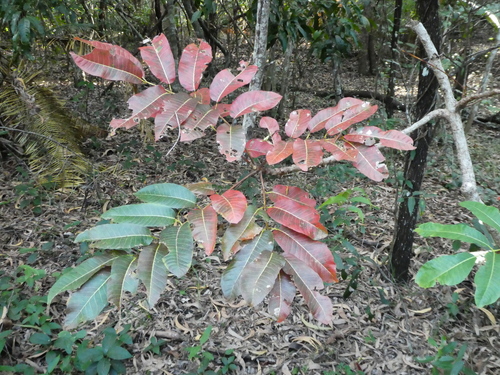
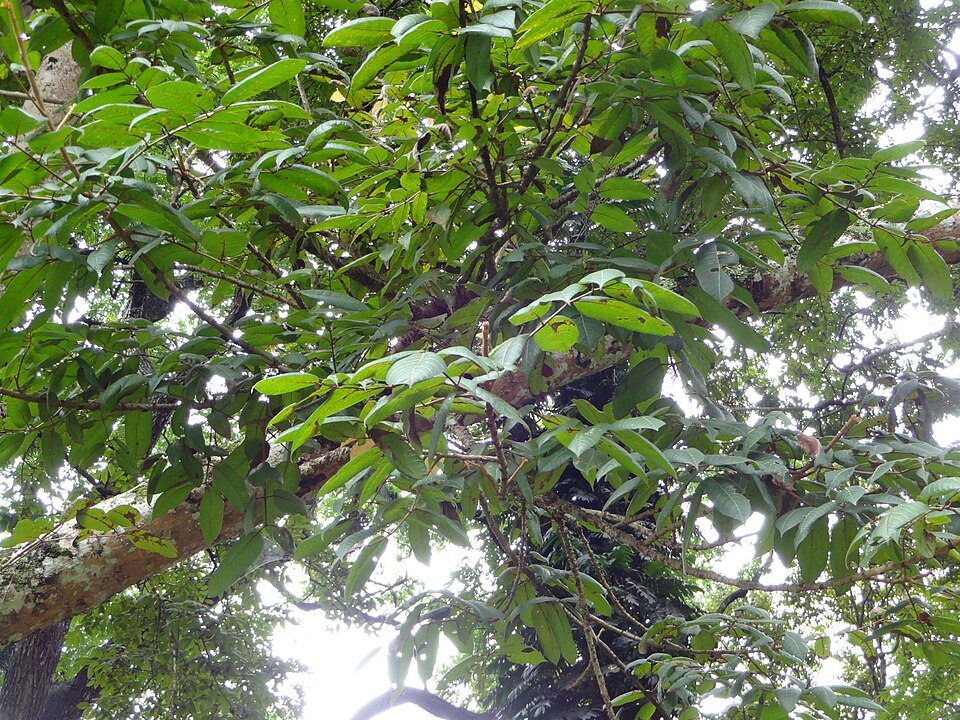
A shrub or tree. It has a single stem. The bark is pale brown and smooth. It loses its leaves. It grows 1-10 m tall. Male and female flowers are on separate plants. The flowers are small and cream. It grows in sprays up to 8 cm long. The leaves are compound. They have leaflets along the stalk and one at the end.
Edible Uses
The roots are eaten raw and contain moisture.
Traditional Uses
The roots are eaten raw. They contain moisture.
This uses section is brief — help expand it
Distribution
It is a subtropical plant. It grows in areas with a marked season. It grows where the rainfall is 50-400 mm per year. In southern Africa it grows between 400-1,400 m above sea level. It can tolerate drought. It can grow in arid places.
Where It Grows
Africa, Angola, Central Africa, Namibia, Southern Africa,
Cultivation
It can be cut back and allowed to re-grow.
Notes
An edible insect (Usta wallengrenii) eats the leaves.
Also Known As
Antob, Loohais, Omuhanga, Sukurikanneb, Tenne, Tines
References (3)
- Royal Botanic Gardens, Kew (1999). Survey of Economic Plants for Arid and Semi-Arid Lands (SEPASAL) database. Published on the Internet; http://www.rbgkew.org.uk/ceb/sepasal/internet [Accessed 4th April 2011]
- Sullivan, S., 1998, People plants and practice in drylands: Socio-political and ecological dimensions of resource-use by Damara farmers in north-west Namibia. Ph.D. Univ. College London. p 21
- World Checklist of Useful Plant Species 2020. Royal Botanic Gardens, Kew