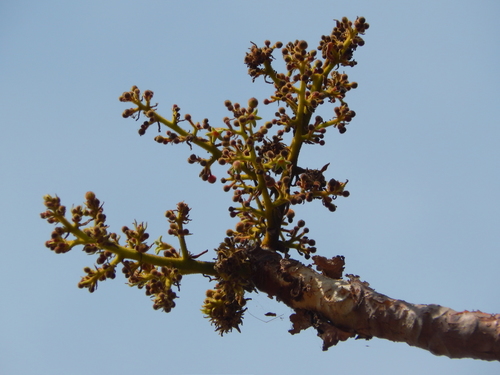
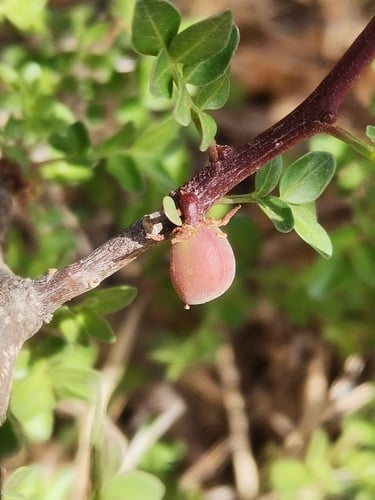
Canarium sylvestre
Gaertn.
Kenari hutan
gbif· cc0
President and Fellows of Harvard College
gbif· cc0
President and Fellows of Harvard College
gbif· cc0
President and Fellows of Harvard College
Description
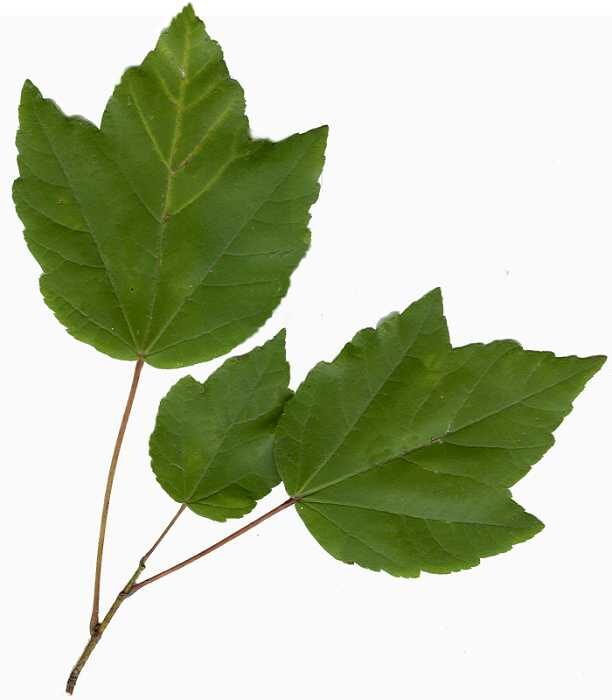
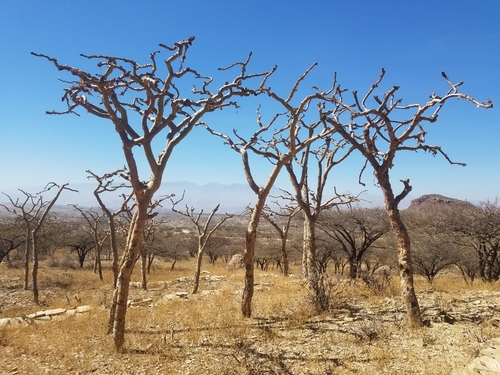
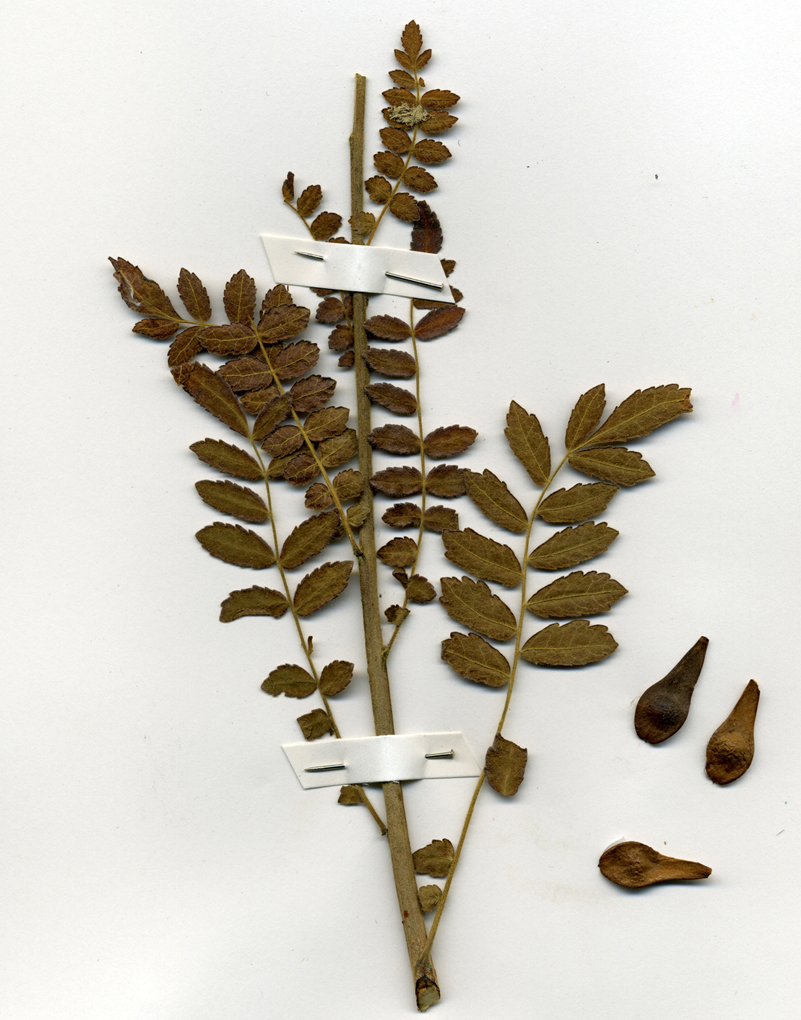
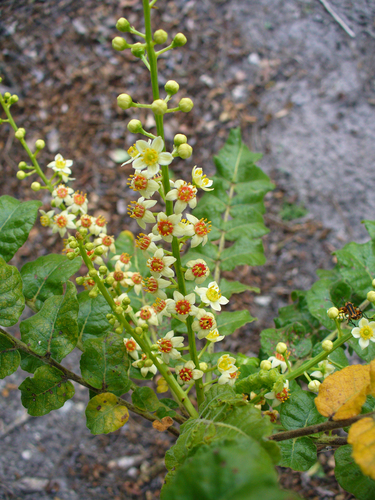
A tree about 20 m tall. It is 40 cm across the trunk. Sometimes it has buttresses. The small branches are about 1.5-2 cm thick. The leafy structures (stipules) on the leaf stalk are 0.3-1 cm from the base. They are ear shaped. The leaves have up to 3 pairs of leaflets. The leaflets are oblong and 8-21 cm long by 4-10 cm wide. They are papery. The base of the leaflet is wedge shaped. The tip is long and slender. There are 8-15 pairs of veins which are slightly curved and more so near the leaf edge. The flower clusters are in the upper axils of the leaves. They are 4-32 cm long. The fruit stalk is 6-7 cm long with few fruit. The fruit are oval and 3-6 cm long by 1.5-2.7 cm wide. They are rounded or triangular in shape. The stone is smooth with a rib on each edge. There are 1-3 seeds inside.
Edible Uses
The kernels of the seeds are eaten.
Traditional Uses
The kernels of the seed are eaten.
This uses section is brief — help expand it
Distribution
A tropical plant.
Where It Grows
Asia, Indonesia (Papua), Malaysia, SE Asia,
Cultivation
Plants are grown from seeds.
Propagation
Seed - we have no specific information for this species but seeds of this genus generally have a hard seed coat and germinate erratically. Filing away some of the seed coat to allow moisture to enter more readily, without damaging the seed, will encourage a faster and more even germination.
Other Uses
A resin is obtained from the plant. The wood is sometimes used. The wood of most species in the genus Canarium is usually soft to moderately hard and probably not very durable in exposed positions. It is not, therefore of any great commercial value and is only used locally or not at all.
Notes
There are 80-95 Canarium species.