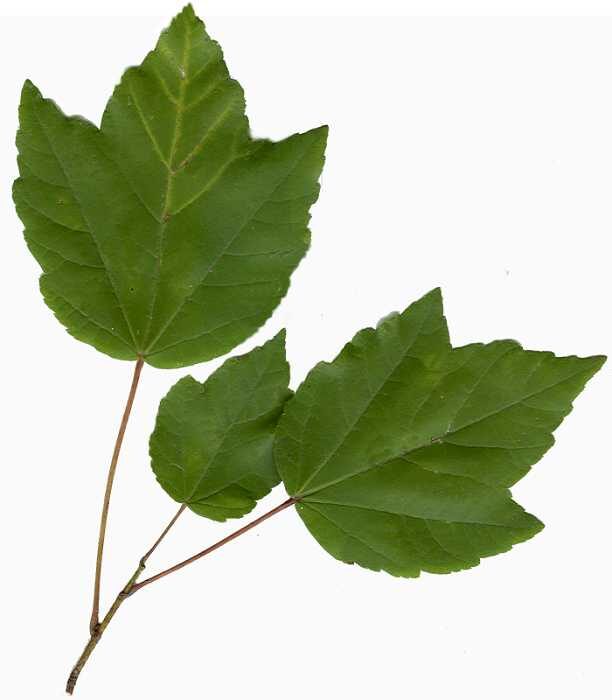
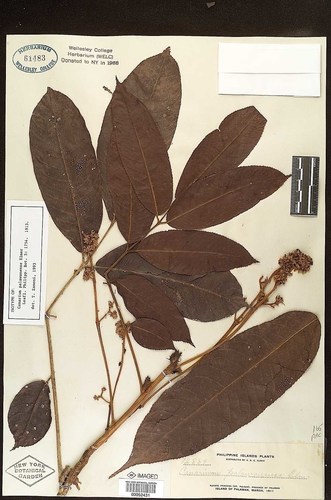
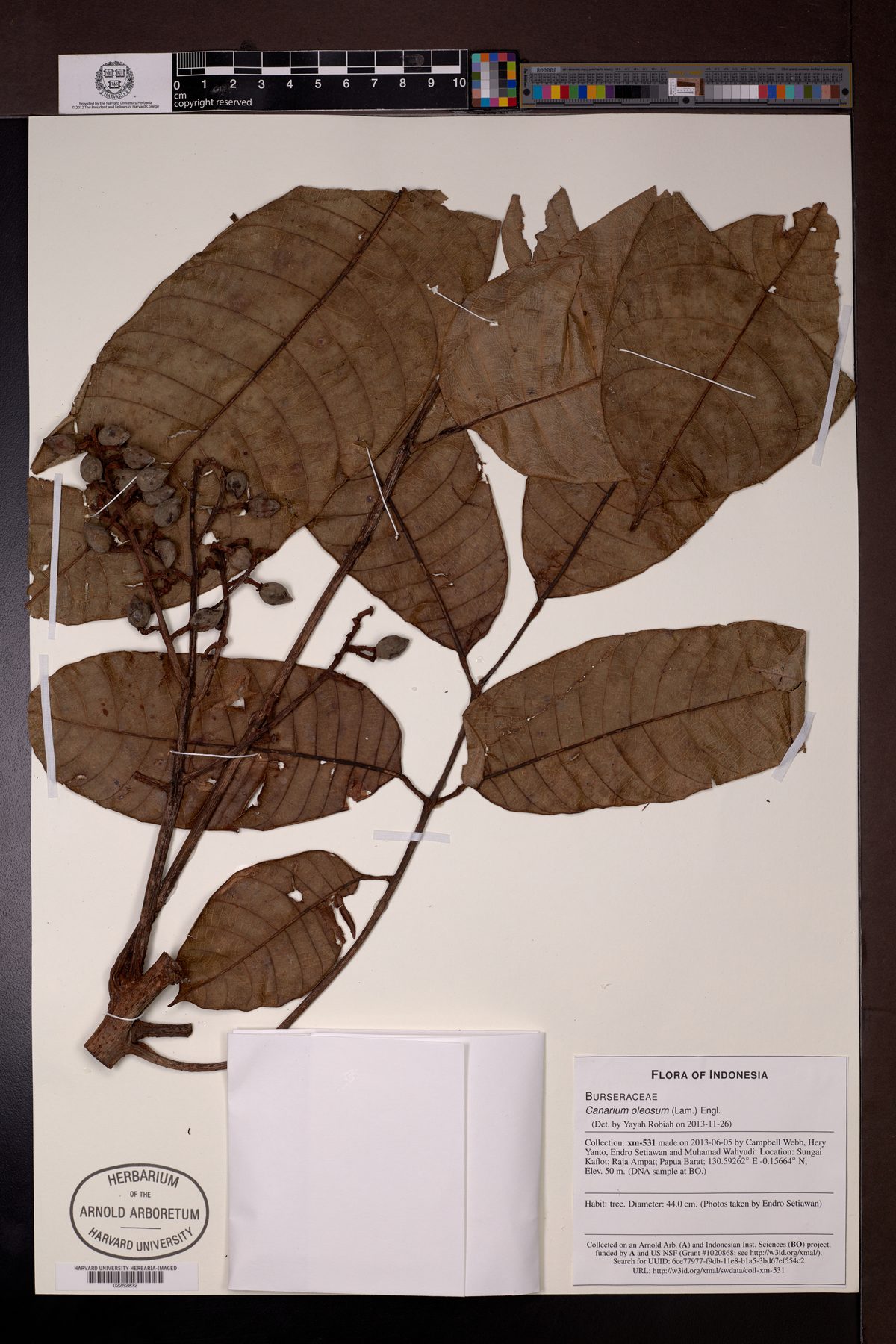
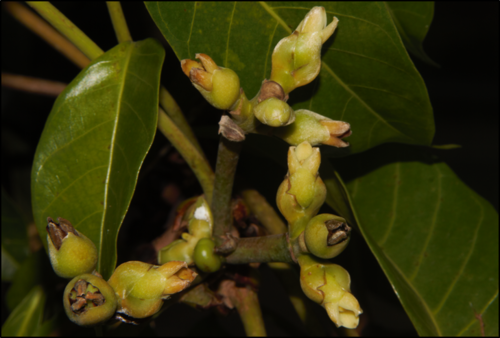
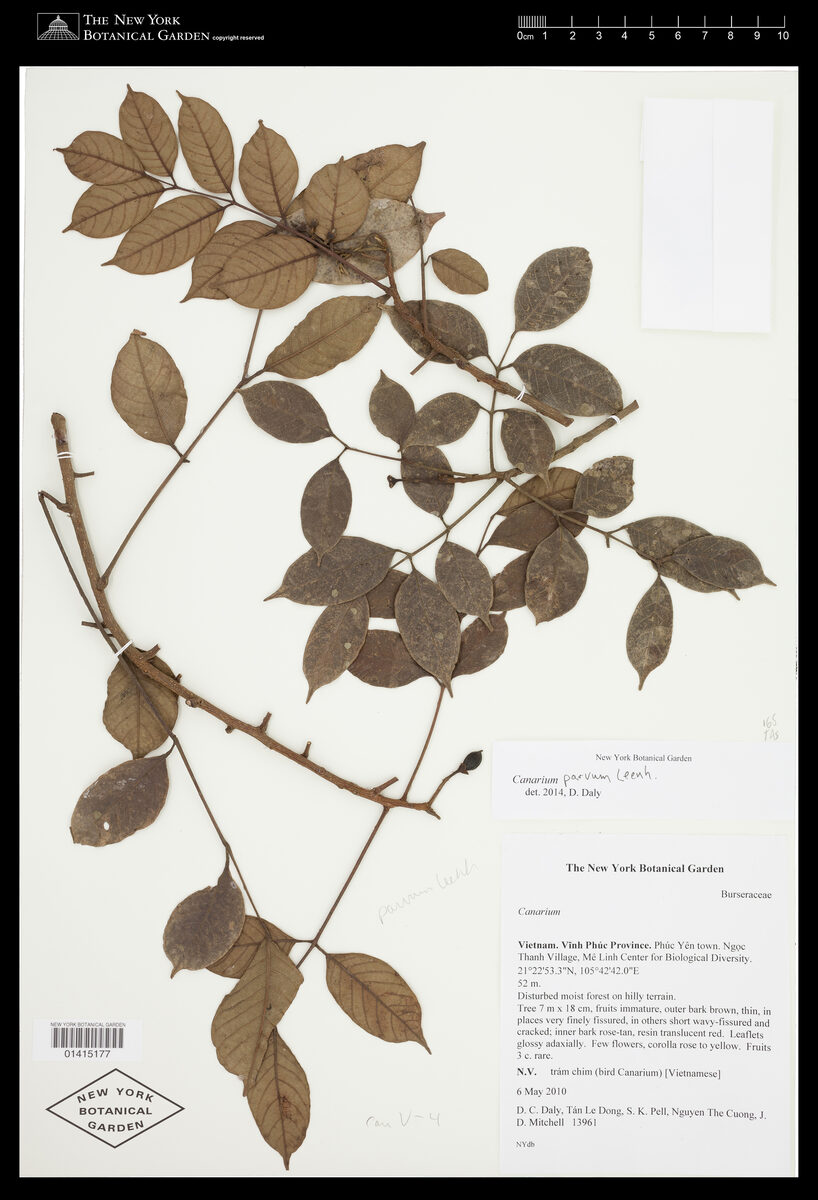
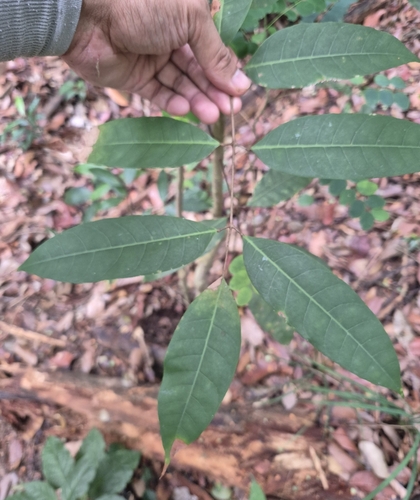
Canarium schweinfurthii
Engl.
Incense tree, African elemi, African canarium
iNaturalist· cc-by-nc
(c) Nerat Danbo Yacks, some rights reserved (CC BY-NC)
iNaturalist· cc-by-nc
(c) paullatham36, some rights reserved (CC BY-NC)
iNaturalist· cc-by-nc
(c) Babajide Agboola, some rights reserved (CC BY-NC)
Summary
Source: WikipediaCanarium schweinfurthii (commonly known as the bush candle, African olive, African elemi, Empafu, or canarium), is a species of large tree native to tropical Africa. Names in many African languages are variations of mupafu.
Description
A tall tree. It grows 30-45 m tall. It loses its leaves during the year. The trunk is often straight and without branches for 30 m. The bark is grey and rough. It flakes off in pieces 30 cm by 10 cm. The crown of the tree is flat and with many branches. In young trees the branches are in rings at right angles to the trunk and curved upwards. The young branches have red-brown hairs. Roots above the ground can spread for 10 m. When the bark is cut the resin smells of incense. The leaves are compound and up to 50 cm long. The leaf stalk is 5 cm long and flattened on the top surface. There are 8-12 or more pairs of leaflets and one leaflet at the end. These are 15 cm long by 4 cm wide. They are elongated and the tip is pointed. The flowers occur in dense branched flower sprays. These can be 30 cm long. The flowers have 3 petals. The flower stalks have red brown hairs. The fruit is purplish and 4 cm by 2 cm. It is soft and smooth. The shell of the seed is long and triangular shaped. It splits evenly to release 3 seeds.
Edible Uses
The African elemi tree is one of several sources of the economically useful oleoresin known elemi. In West Africa this resin is traditionally burned for fumigating dwellings and mixed with oil for body paint. African elemi bears edible fruit with a thick, dense, hard shell. The hard stones of its fruit are used for traditional divination among Plateau speakers in the Middle Belt of central Nigeria.
Traditional Uses
The fruit is eaten after being lightly boiled and sprinkled with a little salt. They are left to soak for 2-3 days to soften. It is also roasted or fried. The seeds are sometimes eaten cooked. The seeds are a source of oil used as a substitute for shea butter.
Medicinal Uses
In the past, the resin was exported to Europe for pharmaceutical use. It was used as a substitute for gum-mastic in making wound dressings in World War II. The resin is used against roundworm infections and other intestinal parasites. It is an emollient, stimulant, diuretic and has action on skin-affections and eczema. The bark is emetic and purgative. A decoction is used as a treatment against hypertension, dysentery, gonorrhoea, coughs, chest pains, pulmonary affections, stomach complaints, food poisoning etc. The pounded bark is used against leprosy and ulcers. Root is used against adenites whereas root scrapings are made into a poultice. The leaves are boiled with other herbs and the decoction used to treat coughs. The seeds are roasted and pounded and the resulting powder mixed with skin oil or jelly to treat wounds.
Distribution
It is a tropical plant. It grows in the lowlands. It grows in forest and along the edges of rivers. It grows from sea level to 1,000 m above sea level. It grows in areas with rainfall of 900-1,400 mm per year.
Where It Grows
Africa, Angola*, Asia, Benin, Burkina Faso, Cameroon*, Central Africa, Central African Republic, CAR, Congo DR, Congo R, Côte d'Ivoire, East Africa, Ethiopia*, Gabon, Ghana, Guinea, Guinée, Guinea-Bissau, Indonesia, Ivory Coast, Liberia, Mali, Nigeria, SE Asia, Senegal, Sierra Leone, Southern Africa, Sudan, Tanzania, Togo, Uganda, West Africa, Zambia, Zimbabwe,
Cultivation
Trees are grown from seeds. Many grow naturally. For collecting seeds, the fruit which fall and collected and the fleshy layer rotted off then the hard seed cases collected. These are put in hot water which is allowed to cool and soak for 24 hours. They are then sown directly where they are to grow. Seed can be stored for a long time. Plants can be budded.
Propagation
Seed - pre-soak the seed by immersing it in hot water and then allowing it to cool in the water for 24 hours prior to sowing. The seed can be sown in nursery beds or in situ. The ripe fruits should be collected when they fall to the ground and allowed to decompose, the stones should then be separated from the outer fruit coats. Seeds can be stored for a long time.
Other Uses
The bark exudes a heavy, sticky oleoresin that smells like turpentine and solidifies to a whitish resin. It is obtained by slashing the bark and allowing the colourless expiation to trickle to the ground where it solidifies into a sulphur-yellow opaque resin. The resin is used as primitive illuminant and as incense and releases a lavender-like smell. The resin burns readily and is used as a bush candle. The flame is very smoky and soot is collected as carbon-black from the outside of pots held over it for use in tattooing and to make ink in Liberia. The resin is also used to repair broken pottery, for caulking boats and as a gum for fastening arrowheads to shafts. The resin contains 8-20 % of an essential oil, the main constituent of which is limonene. It is rich in phellandrenes, and contains also resins and a bitter principle. The resin is used as a fumigant against mosquitoes. The elemi is often left standing on cleared land to provide shade and has potential as a wind break. It has been planted for reforestation in Uganda. The endocarp is used by children as spinning tops. The seeds are strung into necklaces or attached to traditional instruments. The bark of young trees is split off in Gabon to make boxes. The wood is said to secrete oil and is used for canoe making. The heartwood is pinkish when fleshly cut but darkens to light brown mahogany colour; it is not slearly demarcated from the 5 - 15cm wide band of sapwood that is white with pinkish reflections. The texture is slightly coarse; the grain interlocked, thus causing a fine striped figure on quarter-sawn boards. The wood is light in weight; very soft; not very durable, being suseptible to fungi, dry wood borers and termites. It seasons slowly but fairly well, though there is a risk of distortion and checking; once dry it is poorly stable in service. works easily, stains and polishes well. Used as a substitute for true mahogany. The timber is used as core veneer, for decorative panelling, parquetry, furniture, flooring and for general utility purposes. Locally, the wood is used for mortars, planks, and canoes. The wood is a good fuel, igniting readily and burning with a lot of heat.
Production
Plants are slow growing. Fruit production is seasonal. In Tanzania fruiting occurs between August and December. The dry inner stone can be stored to 2 years. Fruit are collected after they fall or by climbing and shaking the tree.
Other Information
The fruit are popular with children. Fruit are sold in local markets.
Notes
There are 80-95 Canarium species.
Nutrition
| Part | Moisture | kJ | kcal | Protein | Vit A | Vit C | Iron | Zinc |
|---|---|---|---|---|---|---|---|---|
| Fruit | 43.3 | 518 | 123 | 4 | — | — | — | — |
Synonyms
Also Known As
Agbabubu origbo, Agbaka, Aiele, Ambah, Atile, Be, Beele, Bele, Bobele, Boele, Bombele, Bushu basum, Dolo, Ebenetidok, Empafu, Etu, Faka, Gamfle, Gejabe, Ibele, Isinge, Kasuku, Liang, Limbini, Mbani, Mbe, Mbele, Mbidi, Mbilii, Misuku, Modjetchale, Mpafu, Mubafu, Musuku, Muwafu, Nbe, Nde, Obele, Oclanca, Okpoko, Opi, Owele, Oyele, Papo canary tree, Purple canary tree, Sawa, Shele, Sigonfi, Tafeley, Tchwele, Tiongo, Toele, Ube, Ubemgba, Ube okpoko, Ube osa, Voutine
References (71)
- Abbiw, D.K., 1990, Useful Plants of Ghana. West African uses of wild and cultivated plants. Intermediate Technology Publications and the Royal Botanic Gardens, Kew. p 46
- Abayeh, O. J., Abdulrazaq, A. K., Olaogun, R.. 1999, Quality characteristics of Canarium schweinfurthii Engl. Oil. Plant Foods Human Nutrition 54(1), pp. 43-47.
- Agbo, N.G., Kouamé, C.O. and Simard, R.E., 1992, Canarium schweinfurthii Engl. Chemical composition of the fruit pulp, Journal of the American Oil Chemist’ Society. 69 (4): pp. 317-319.
- Agea, J. G., et al 2011, Wild and Semi-wild Food Plants of Bunyoro-Kitara Kingdom of Uganda: etc. Environmental Research Journal 5(2) 74-86
- Awodoyin, R.O., Olubode, O.S., Ogbu, J.U., Balogun, R.B., Nwawuisi, J.U. and Orji, K.O., 2015, Indigenous Fruit Trees of Tropical Africa: Status, Opportunity for Development and Biodiversity Management. Agricultural Sciences, 6, 31-41
Show all 71 references Hide references
- Bircher, A. G. & Bircher, W. H., 2000, Encyclopedia of Fruit Trees and Edible Flowering Plants in Egypt and the Subtropics. AUC Press. p 79
- Burkill, H. M., 1985, The useful plants of west tropical Africa, Vol. 1. Kew.
- Busson, 1965,
- Chapman, J. D. & Chapman, H. M., 2001, The Forest Flora of Taraba and Andamawa States, Nigeria. WWF & University of Canterbury. p 169
- Codjia, J. T. C., et al, 2003, Diversity and local valorisation of vegetal edible products in Benin. Cahiers Agricultures 12:1-12
- Dalziel, J. M., 1937, The Useful plants of west tropical Africa. Crown Agents for the Colonies London.
- Danforth, R.M., & Boren, P.D., 1997, Congo Native fruits. Twenty-five of the best. Privately published. p17
- A. L. P. P. de Candolle & A. C. de Candolle, Monogr. phan. 4:145. 1883
- Dongmo, P.M.J., Tchoumbougnang, F., Ndongson, B., Agwanande, W., Sandjon, B., Zollo, P.H.A and Menut, C., 2010, Chemical characterization, antiradical, antioxidant and anti-inflammatory potential of the essential oils of Canarium schweinfurthii and Aucoumea klaineana (Burseraceae) growing in Cameroon. Agric. Biol. J. N. Am 1(4): pp. 606-610
- Ekoh, U. P. (2009): Nutritional, Anti-nutritional and Physio-chemical Composition of African Elemi Pulp, p.40.
- Eromosele, L. C., Ida, M., and Eromosele, C. O., 2001, Nutritional evaluation of Canarium schweinfurthii Engl. Seeds. Journal of Tropical Agriculture 39, p. 193
- Exell, A.W. et al, (Ed), 1963, Flora Zambesiaca Vol 2 Part 1 Crown Agents, London. p 283
- Facciola, S., 1998, Cornucopia 2: a Source Book of Edible Plants. Kampong Publications, p 62
- FAO, 1995, Edible Nuts. Non Wood Forest Products 5.
- Focho, D. A., et al, 2009, Ethnobotanical survey of Trees in Fundong, Northwest Region, Cameroon. Journal of Ethnobiology and Ethnomedicine, 5:17
- Fongnzossie Fedoung, E., et al, 2020, Wild edible plants and mushrooms of the Bamenda Highlands in Cameroon: ethnobotanical assessment and potentials for enhancing food security. Journal of Ethnobiology and Ethnomedicine 16:12
- Food Composition Tables for use in Africa FAO http://www.fao.org/infoods/directory No. 1000
- Fowler, D. G., 2007, Zambian Plants: Their Vernacular Names and Uses. Kew. p 15
- Godfrey, J. et al, 2013, Harvesting, preparationand preservation of commonly consumed wild and semi-wild food plants in Bunyoro-Kitara Kingdom, Uganda. Int. J. Med. Arom. Plants. Vol.3 No.2 pp 262-282
- Gohre, A., et al, 2016, Plants from disturbed savannah vegetation and their usage by Bakongo tribes in Uíge, Northern Angola. Journal of Ethnobiology and Ethnomedicine (2016) 12:42
- Goode, P., 1989, Edible Plants of Uganda. FAO p 27
- Hart. T. B. and Hart, J. A., 1986, The Ecological Basis of Hunter-Gatherer Subsistence in African Rain Forests: The Mbuti of eastern Zaire. Human Ecology. Vol. 14, No. 1. pp 29-55
- Hoare A. L., 2007, The Use of Non-timber Forest Products in the Congo Basin. Constraints and Opportunities. Rainforest Foundation. p 39
- Jardin, C., 1970, List of Foods Used In Africa, FAO Nutrition Information Document Series No 2.p 32, 123
- Katende, A.B., Birnie, A & Tengnas B., 1995, Useful Trees and Shrubs for Uganda. Identification, Propagation and Management for Agricultural and Pastoral Communities. Technical handbook No 10. Regional Soil Conservation Unit, Nairobi, Kenya. p 154
- Keay, R.W.J., 1989, Trees of Nigeria. Clarendon Press, Oxford. p 335
- Koudou J., Abena A. A., Ngaissona P, and Bessière J. M., 2005, Chemical composition and pharmacological activity of essential oil of Canarium schweinfurthii Fitoterapia 76: pp. 700-702.
- Kuhnlein, H. V., et al, 2009, Indigenous Peoples' food systems. FAO Rome p 261
- Kunkel, G., Plants for Human Consumption.
- Kunkel, G., 1965, The Trees of Liberia. German Forestry Mission Report No. 3 p 62
- Latham, P., 2004, Useful Plants of Bas-Congo province. Salvation Army & DFID p 65
- Lautenschläger, T., et al, 2018, First large-scale ethnobotanical survey in the province of Uíge, northern Angola. Journal of Ethnobiology and Ethnomedicine (2018) 14:51
- Lovett, J. C. et al, Field Guide to the Moist Forest Trees of Tanzania. p 31
- Malaisse, F., 1997, Se nourrir en floret claire africaine. Approche ecologique et nutritionnelle. CTA., p 59
- Malaisse, F., 2010, How to live and survive in Zambezian open forest (Miombo Ecoregion). Les Presses Agronomiques de Gembloux.
- Martin, F. W., et al, 1987, Perennial Edible Fruits of the Tropics. USDA Handbook 642 p 22
- Mawunu, M., et al, 2020, First Survey of the Edible Non-Wood Forest Products Sold in Uige Province, Northern Angola. European Journal of Agriculture and Food Sciences. Vol. 2, No. 6
- Mawunu, M., et al, 2022, Ethnobotanical uses of wild edible plants of Mucuba municipality, Angola. Natural Resources for Human Health. 2022, 0:1-10
- Menninger, E.A., 1977, Edible Nuts of the World. Horticultural Books. Florida p 28
- Meregini, O. A., 2005, Some endangered plants producing edible fruits and seeds in Southeastern Nigeria. Fruits, Vol. 60 pp 211-220
- Mosango M., Szafranski F., 1985, Plantes sauvages à fruits comestibles dans les environs de Kisangani (Zaïre). In: Journal d'agriculture traditionnelle et de botanique appliquée, 32e année, pp. 177-190
- Nkeoua, G. & Boundzanga, G. C., 1999, Donnees sur les produits forestieres non ligneux en Republique du Congo. FAO. p 20
- Nzegbule, E and Nwachi, E., 2008, Soil seed bank characteristics of Canarium schweinfurthii (Engl.): implications for its natural regeneration. Fruits. Vol 63, p 219-225
- Peters, C. R., O'Brien, E. M., and Drummond, R.B., 1992, Edible Wild plants of Sub-saharan Africa. Kew. p 72
- Polansky, C., 2018, Annex: Tree Identification and Propagation Images and text for 29 species found in Nimba County, Liberia. ACDI p 5
- Raponda-Walker, A & Sillans, R., 1961, Les Plantes Utiles du Gabon. Editions Paul Lechevalier, Paris. p 110 (Drawing)
- Ruffo, C. K., Birnie, A. & Tengnas, B., 2002, Edible Wild Plants of Tanzania. RELMA p 176
- Savill, P. S. & Fox, J. E. D., Trees of Sierra Leone. p 61
- Seidemann J., 2005, World Spice Plants. Economic Usage, Botany, Taxonomy. Springer. p 77
- Tabuti, J. R. S., 2012, Important Woody Plant Species, their Management and Conservation Status in Balawoli Sub-country, Uganda. Ethnobotany Research & Applications 10:269-286
- Tanno, T., 1981, Plant Utilization of the Mbuti Pygmies: With Special reference to their Material Culture and Use of Wild Vegetable Foods. Kyoto University Research. African Study Monographs 1:1-53
- Terashima, H., & Ichikawa, M., 2003, A comparative ethnobotany of the Mbuti and Efe hunter-gatherers in the Ituri Forest, Democratic Republic of Congo. African Study Monographs, 24 (1, 2): 1-168, March 2003
- Termote, C., et al, 2011, Eating from the wild: Turumbu, Mbole and Bali traditional knowledge of non-cultivated edible plants, District Tshopo, DRCongo, Gen Resourc Crop Evol. 58:585-618
- Termote, C., 2012, Wild edible plant use in Tshopo District, Democratic Republic of Congo. Universiteit Gent. p 70
- Tugume, P. & Nyakoojo, C., 2020, Traditional use of wild edible plants in the communities adjacent to Mabira Central Forest Reserve, Uganda. Ethnobotany Research & Applications 20:15 (2020)
- Ubom, R. M., 2010, Ethnobotany and Diversity Conservatioon in the Niger Delta, Nigeria. International Journal of Botany. 6(3): 310-322
- Udo, E. S., et al, 2009, Life-form and Density of Valuable Non-timber Plants in Ukpom Community Forest, Akwa Ibom State, Nigeria. African Research Review 3(3) p 7
- Unwin, A. H., 1920, West African Forests and Forestry. Fisher Unwin Ltd. pdf on Internet p 86
- Vivien, J. & Faure, J.J., 1985, Abres des forets dense d'Afrique Centrale. Agence de Cooperation Culturelle et Technique. Paris. p 52
- Vivien, J., & Faure, J.J., 1996, Fruitiers Sauvages d'Afrique. Especes du Cameroun. CTA p 87
- von Katja Rembold, 2011, Conservation status of the vascular plants in East African rain forests. Dissertation Universitat Koblenz-Landau p 160
- Wickens, G.E., 1995, Edible Nuts. FAO Non-wood forest products. FAO, Rome. p 111
- Wiersma, J.H., 1996, USDA GRIN database
- World Checklist of Useful Plant Species 2020. Royal Botanic Gardens, Kew
- www.worldagroforestrycentre.org/sea/products/afdbases/af
- Zapfack, L., et al, 2001, Ethnobotanical Survey of the Takamanda Forest Reserve. Consultancy Report PROFA, Cameroon. p 30