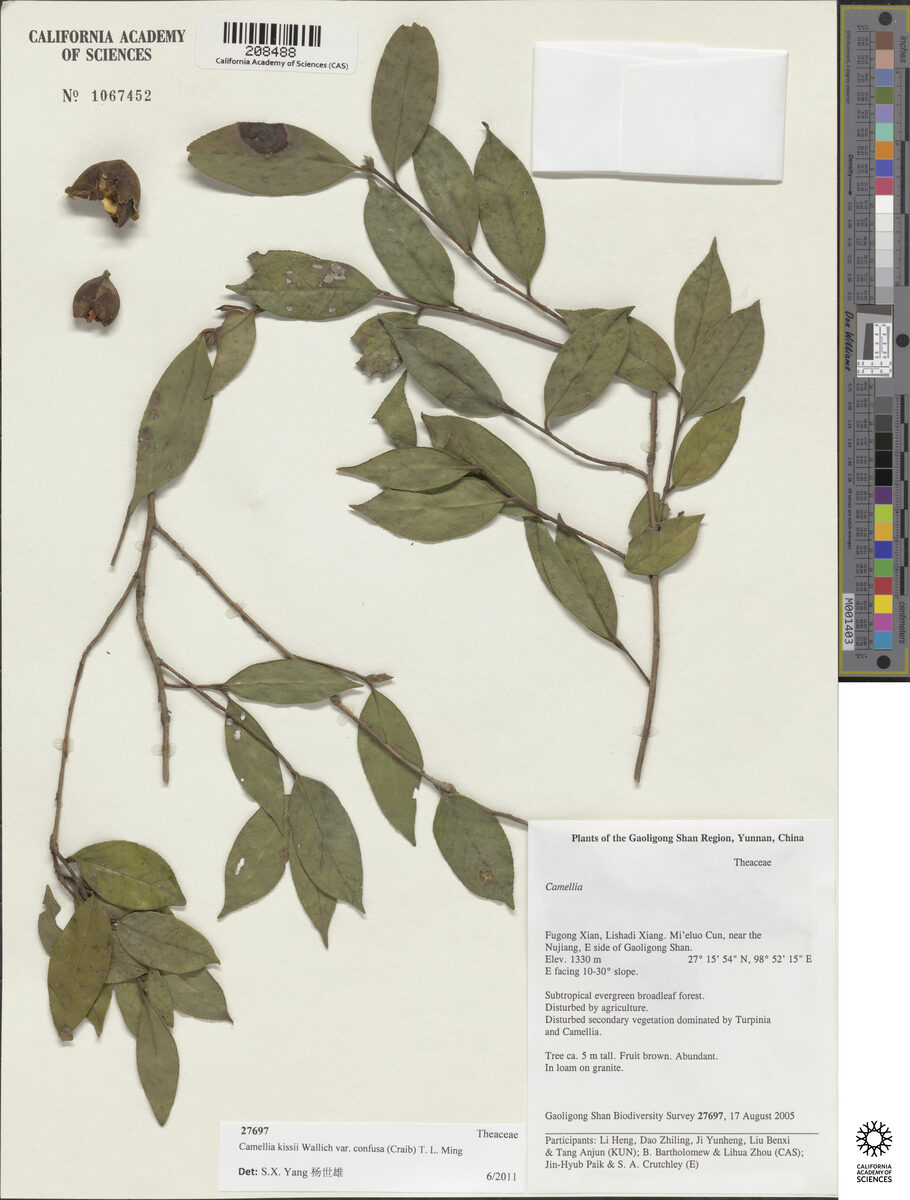
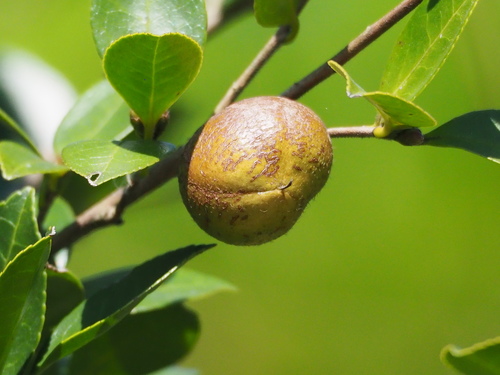
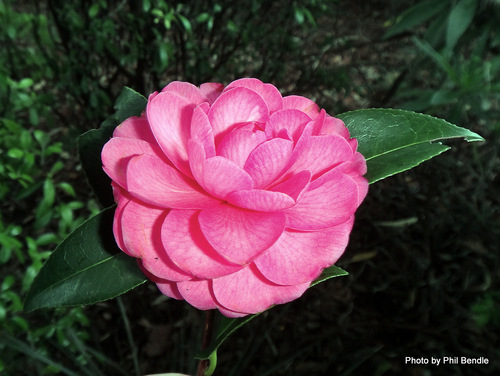
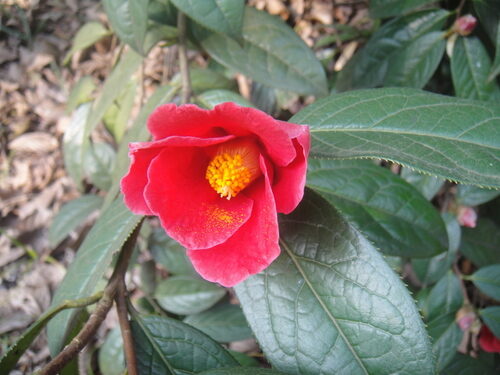
Camellia sinensis var. assamica
(L.) Kuntze, (J. W. Mast.) Kitam.
Assam tea
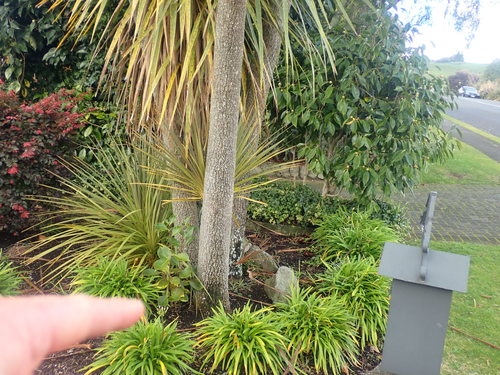
iNaturalist· cc-by-nc
(c) 羅元甫, some rights reserved (CC BY-NC)
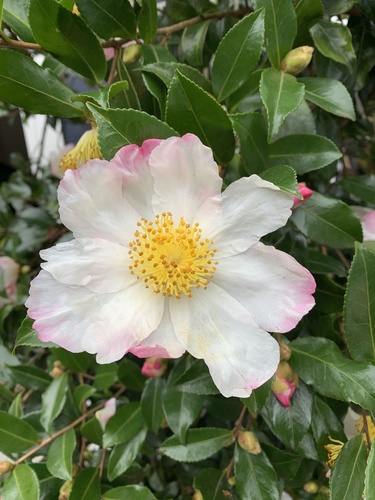
iNaturalist· cc-by-nc-sa
(c) Seongbin Im, some rights reserved (CC BY-NC-SA)
Summary
Source: WikipediaCamellia sinensis is a species of evergreen shrub or small tree in the flowering plant family Theaceae. Its leaves, leaf buds, and stems are used to produce tea. Common names include tea plant, tea shrub, and tea tree (unrelated to Melaleuca alternifolia, the source of tea tree oil, or the genus Leptospermum commonly called tea tree). White tea, yellow tea, green tea, oolong, dark tea (which includes pu-erh tea) and black tea are all made from two of the five varieties which form the main crops now grown, C. sinensis var. sinensis and C. s. var. assamica, but are processed differently to attain varying levels of oxidation with black tea being the most oxidized and white being the least. Kukicha (twig tea) is also made from C. sinensis, but uses twigs and stems rather than leaves.
Description
It can grow to 15 m tall. It is usually pruned to a power height. This is the main variety used for tea. The leaves have smooth edges. The leaves are thin and tapering.
Edible Uses
The leaves are consumed as a cooked vegetable and as a drink (tea). The flowers and fruit are also edible.
Traditional Uses
The leaves are cooked and eaten as a vegetable.
This uses section is brief — help expand it
Medicinal Uses
The leaves have traditional medicinal applications as noted in traditional use records.
Distribution
A tropical plant. It grows in evergreen broad-leaved forests between 500-1,500 m above sea level. It grows in wetlands. In Yunnan.
Where It Grows
Asia, China, India, Indochina, Laos, Myanmar, SE Asia, Thailand, Vietnam,
Notes
There are about 250-300 Camellia species.
Synonyms
Also Known As
Labao, Yila
References (11)
- Acta Phytotax. Geobot. 14:59. 1950
- Altschul, S.V.R., 1973, Drugs and Foods from Little-known Plants. Notes in Harvard University Herbaria. Harvard Univ. Press. Massachusetts. no. 2837
- Anderson, E. F., 1993, Plants and people of the Golden Triangle. Dioscorides Press. p 205
- Balkrishna, A., et al, 2022, Indigenous Uses of Plants among Forest-dependent Communities of Seijosa, Arunachal Pradesh. International Journal of Economic Plants 2022, 9(1):064-080
- Brouk, B., 1975, Plants Consumed by Man. Academic Press, London. p 354
Show all 11 references Hide references
- Hani Medicine of Xishuangbanna, 1999, p 371
- Liu, Yi-tao, & Long, Chun-Lin, 2002, Studies on Edible Flowers Consumed by Ethnic Groups in Yunnan. Acta Botanica Yunnanica. 24(1):41-56
- Lyle, S., 2006, Discovering fruit and nuts. Land Links. p 99
- Wiersema, J. H. & Leon, B., 2013, World Economic Plants. A Standard Reference CRC Press. 2nd Ed. p 135
- Xu, You-Kai, et al, 2004, Wild Vegetable Resources and Market Survey in Xishuangbanna, Southwest China. Economic Botany. 58(4): 647-667.
- Zhang, L. et al, 2013, An Ethnobotanical Study of Traditional Edible Plants Used by Naxi People in Northwestern Yunnan, China. - A Case Study in Wenhai Village. Plant Diversity and Resources. p 484