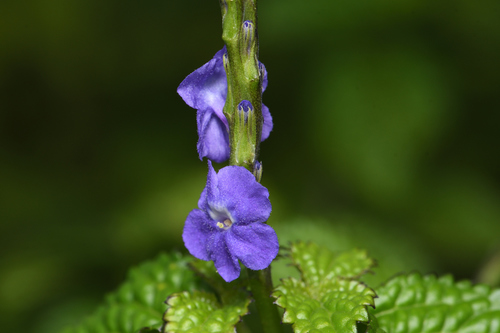
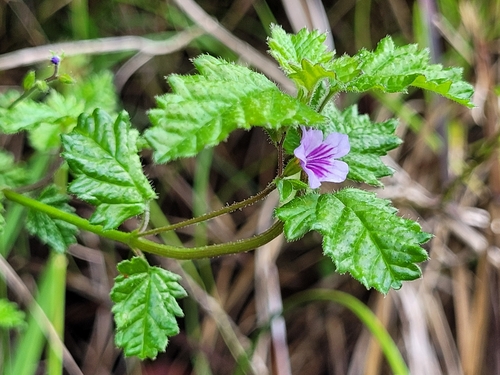
Lippia chevalieri
Moldenke
Tea bush
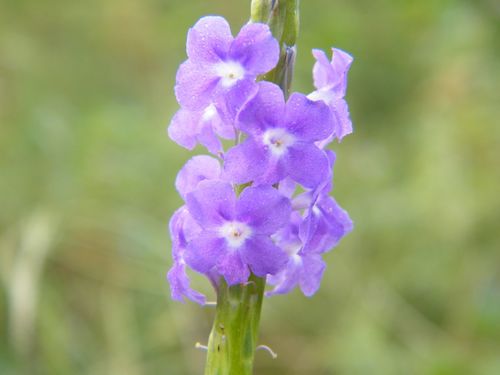
iNaturalist· cc-by-nc
(c) Yvette Ribbers, some rights reserved (CC BY-NC), uploaded by Yvette Ribbers
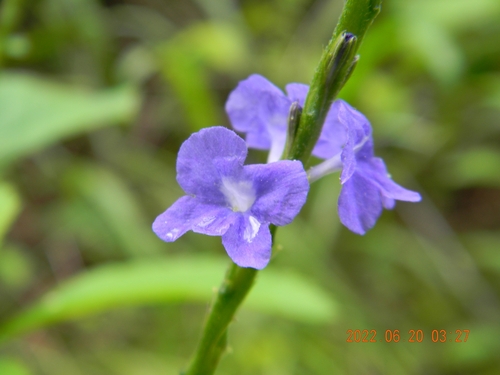
iNaturalist· cc-by-nc
(c) hmees, some rights reserved (CC BY-NC)
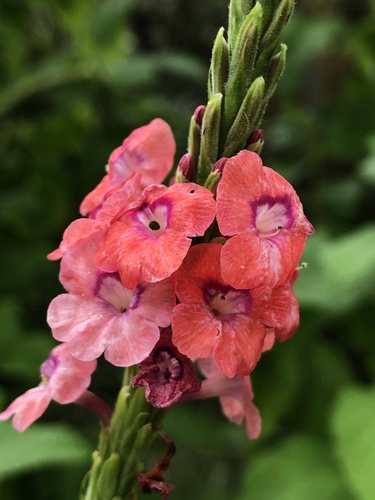
iNaturalist· cc-by-nc
(c) Franco Colnago, some rights reserved (CC BY-NC)
Description
An aromatic erect shrub growing about 1 m high, native to savannah woodland in West Africa.
This description is brief — help expand it
Edible Uses
The leaves are boiled and consumed as tea.
Traditional Uses
The leaves are boiled and eaten.
This uses section is brief — help expand it
Distribution
It is a tropical plant. It grows in savannah woodland in West Africa.
Where It Grows
Africa, Burkina Faso, Ecuador (?), Gambia, Guinea, Guinée, Guinea-Bissau, Mali, Nigeria, Senegal, Sierra Leone, West Africa,
Also Known As
Bae-bae, Brege, Ganeba, Mbalat, Nganiba kala, Ussumo-coloma, Ussum-culum-o, Wusum koloma
References (7)
- Belem, M., et al, 2017, Strategy of Conservation and Protection of Wild Edible Plants Diversity in Burkina Faso. ANADOLU 27 (2) 2017, 82- 90
- Bojang, L., 1999, Non-wood Forest Products in The Gambia. EC-FAO Partnership Programme.
- Burkill, H. M., 1985, The useful plants of west tropical Africa, Vol. 5. Kew.
- Diarra, N. et al, 2016, Etude ethnobotanique des plantes alimentaires utilisées en période de soudure dans les régions Sud du Mali. Int. J. Biol. Chem. Sci. 10(1): 184-197
- Grivetti, L. E., 1980, Agricultural development: present and potential role of edible wild plants. Part 2: Sub-Saharan Africa, Report to the Department of State Agency for International Development. p 30
Show all 7 references Hide references
- Torre, de la, L., et al, 2008, Enciclopedia de las Plantas Útiles del Ecuador. Herbario QCA. Pontificia Universidad Católica del Ecuador. p 617 (?)
- World Checklist of Useful Plant Species 2020. Royal Botanic Gardens, Kew