Stachytarpheta indica
(L.) Vahl
False verbena
iNaturalist· cc-by-nc
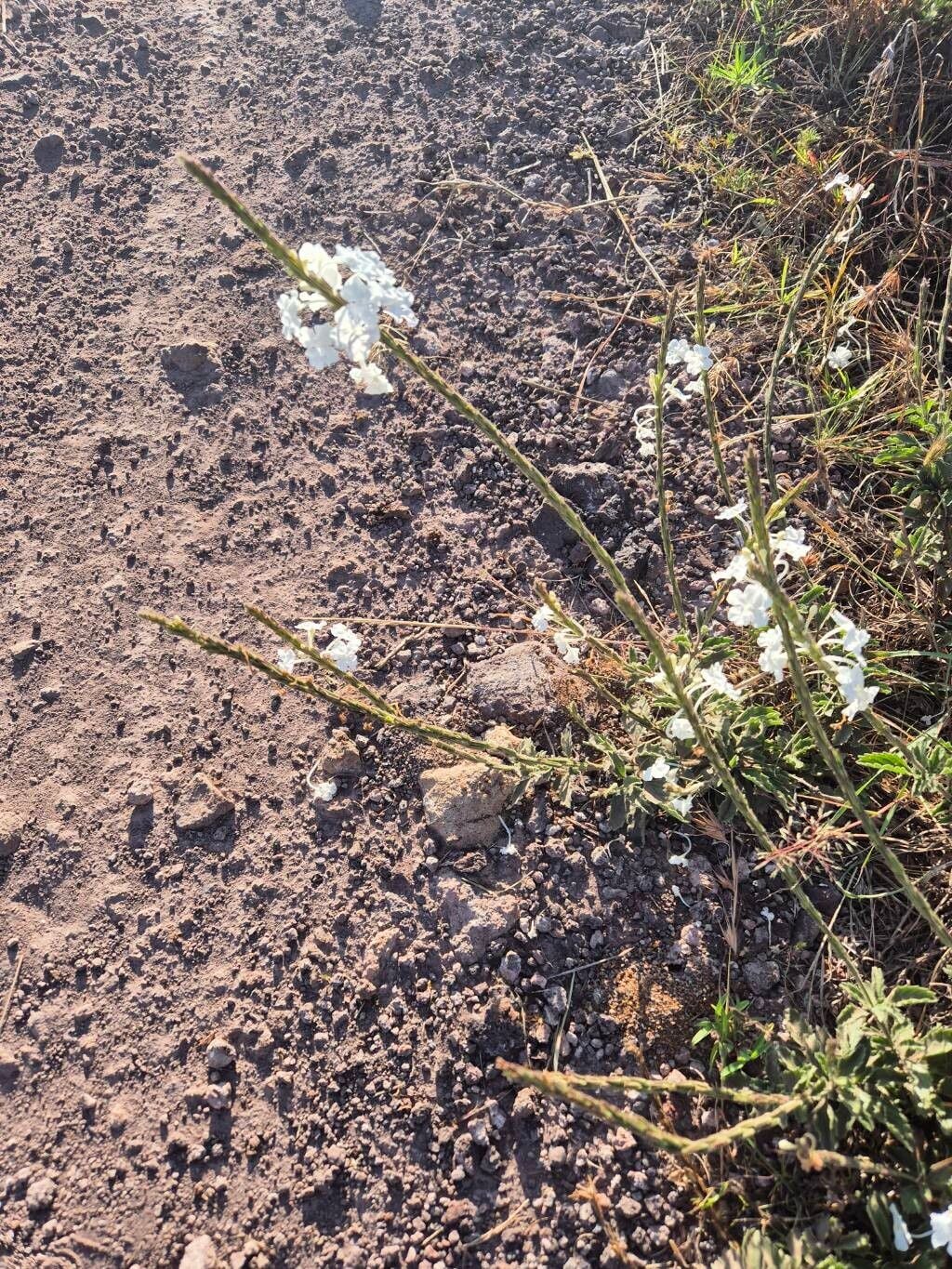
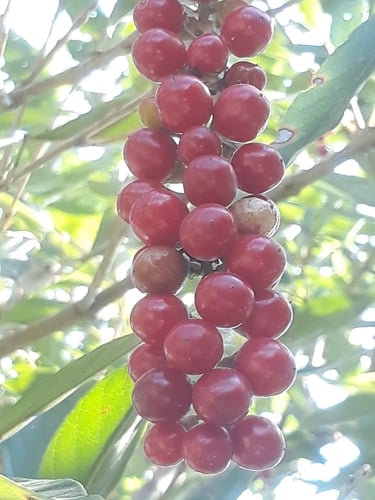
(c) Frederico Acaz Sonntag, some rights reserved (CC BY-NC), uploaded by Frederico Acaz Sonntag
iNaturalist· cc-by-nc
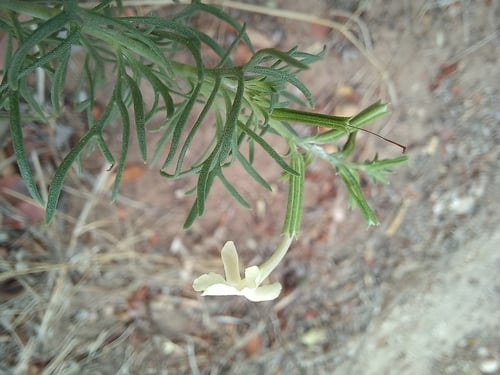
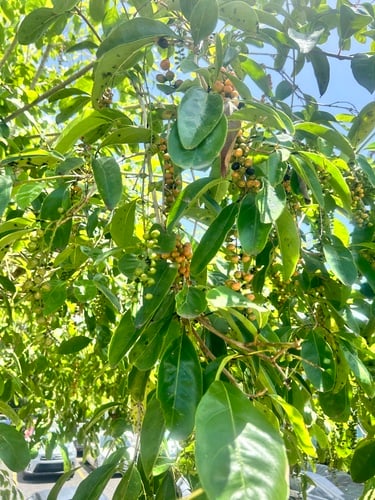
(c) Célio Moura Neto, some rights reserved (CC BY-NC), uploaded by Célio Moura Neto
iNaturalist· cc-by-nc
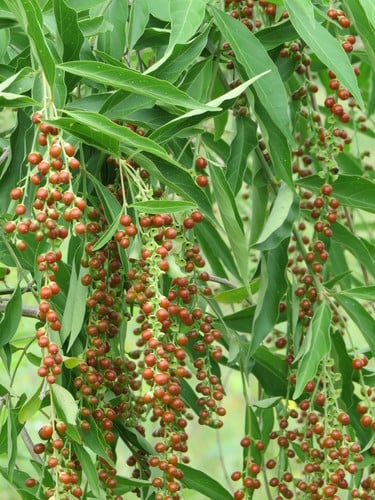
(c) Célio Moura Neto, some rights reserved (CC BY-NC), uploaded by Célio Moura Neto
Summary
Source: WikipediaStachytarpheta indica is a species of plant in the family Verbenaceae, native to the tropical Americas. It has often been included in the species S. jamaicensis.
Description
An erect annual herb. It is like a small shrub. The leaves are opposite. The leaves have teeth around the edge. The flowers are small and blue. They occur in long spikes.
Edible Uses
The leaves are edible and can be consumed fresh or brewed as tea.
Medicinal Uses
The roots are used to make an eyewash. The plant (part not specified) is laxative.
Distribution
A tropical plant. It grows in many tropical places. It grows along the edges of rivers and small lakes. It can be in flooded rice fields.
Where It Grows
Africa, America, Asia, Austria, Benin, Burkina Faso, Guinea, Guinée, Guinea-Bissau, Indochina, Indonesia, Malaysia, Mali, Myanmar, Niue, Pacific, Pantropical, SE Asia, Sierra Leone, Sri Lanka, Thailand, Togo, West Africa,
Synonyms
Also Known As
Aseik-taya, Bassakou, Jarung lalaki, Motofu, Ngadi rengga, Ogafa, Selaseh dandi, Selaseh hutan, Ye-chaung-pan, Yimondou
References (13)
- Achigan-Dako, E, et al (Eds), 2009, Catalogue of Traditional Vegetables in Benin. International Foundation for Science.
- Batawila, K., et al, 2007, Diversite et gestion des legumes de cueillete au Togo. African Journal of Food, Agriculture, Nutrition and Development 7( 3& 4): 68
- Boedecker, J., et al, 2014, Dietary contribution of Wild Edible Plants to women’s diets in the buffer zone around the Lama forest, Benin – an underutilized potential. Food Sec. 6:833–849
- Burkill, I.H., 1966, A Dictionary of the Economic Products of the Malay Peninsula. Ministry of Agriculture and Cooperatives, Kuala Lumpur, Malaysia. Vol 2 (I-Z) p 2107
- Dansi, A., et al, 2008, Traditional leafy vegetables and their use in the Benin Republic. Genet Resour Crop Evol (2008) 55:1239–1256
Show all 13 references Hide references
- Diarra, N. et al, 2016, Etude ethnobotanique des plantes alimentaires utilisées en période de soudure dans les régions Sud du Mali. Int. J. Biol. Chem. Sci. 10(1): 184-197
- Enum. pl. 1:206. 1804
- Hedrick, U.P., 1919, (Ed.), Sturtevant's edible plants of the world. p 633
- Kermath, B. M., et al, 2014, Food Plants in the Americas: A survey of the domesticated, cultivated and wild plants used for Human food in North, Central and South America and the Caribbean. On line draft. p 836
- Martin, F.W. & Ruberte, R.M., 1979, Edible Leaves of the Tropics. Antillian College Press, Mayaguez, Puerto Rico. p 224
- McMakin, P.D., 2000, Flowering Plants of Thailand. A Field Guide. White Lotus. p 103
- N'Danikou, S. et al, 2010, Eliciting Local Values of Wild Edible Plants in Southern Bénin to Identify Priority Species for Conservation. Economic Botany, 20(10), 2011, pp. 1–15.
- World Checklist of Useful Plant Species 2020. Royal Botanic Gardens, Kew