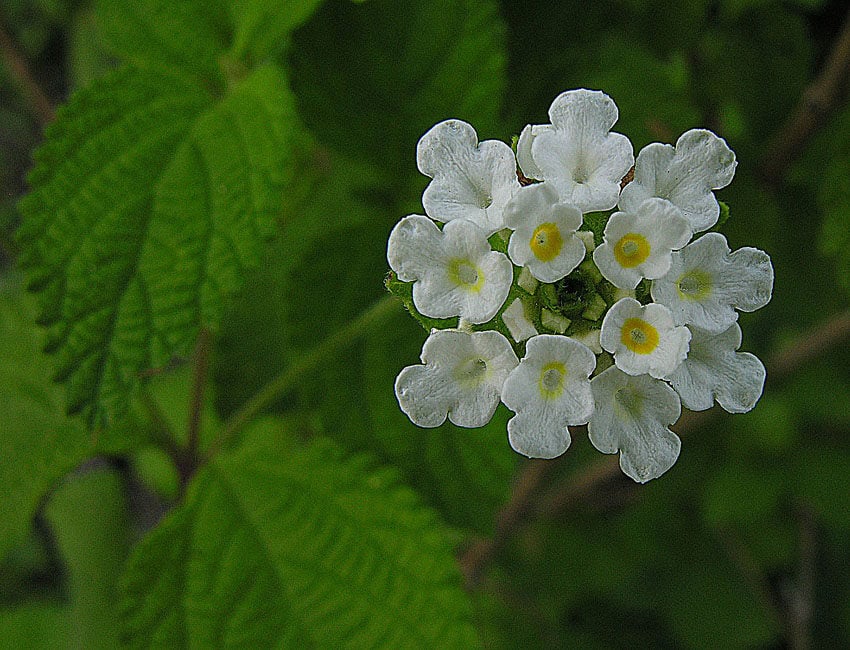
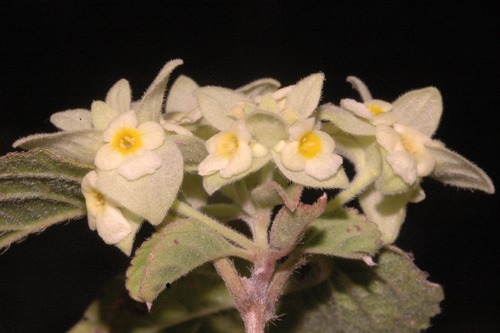
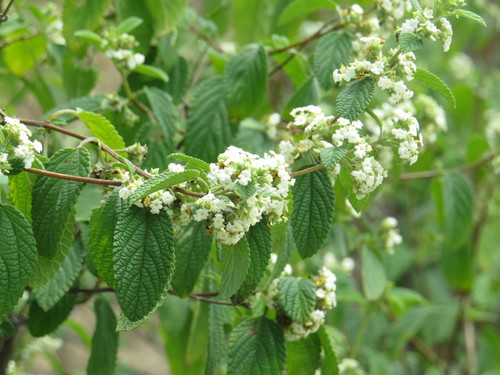
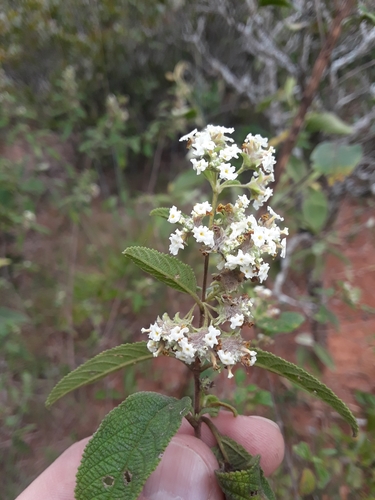
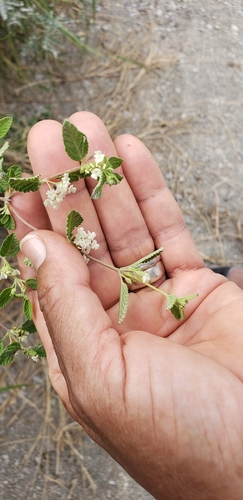
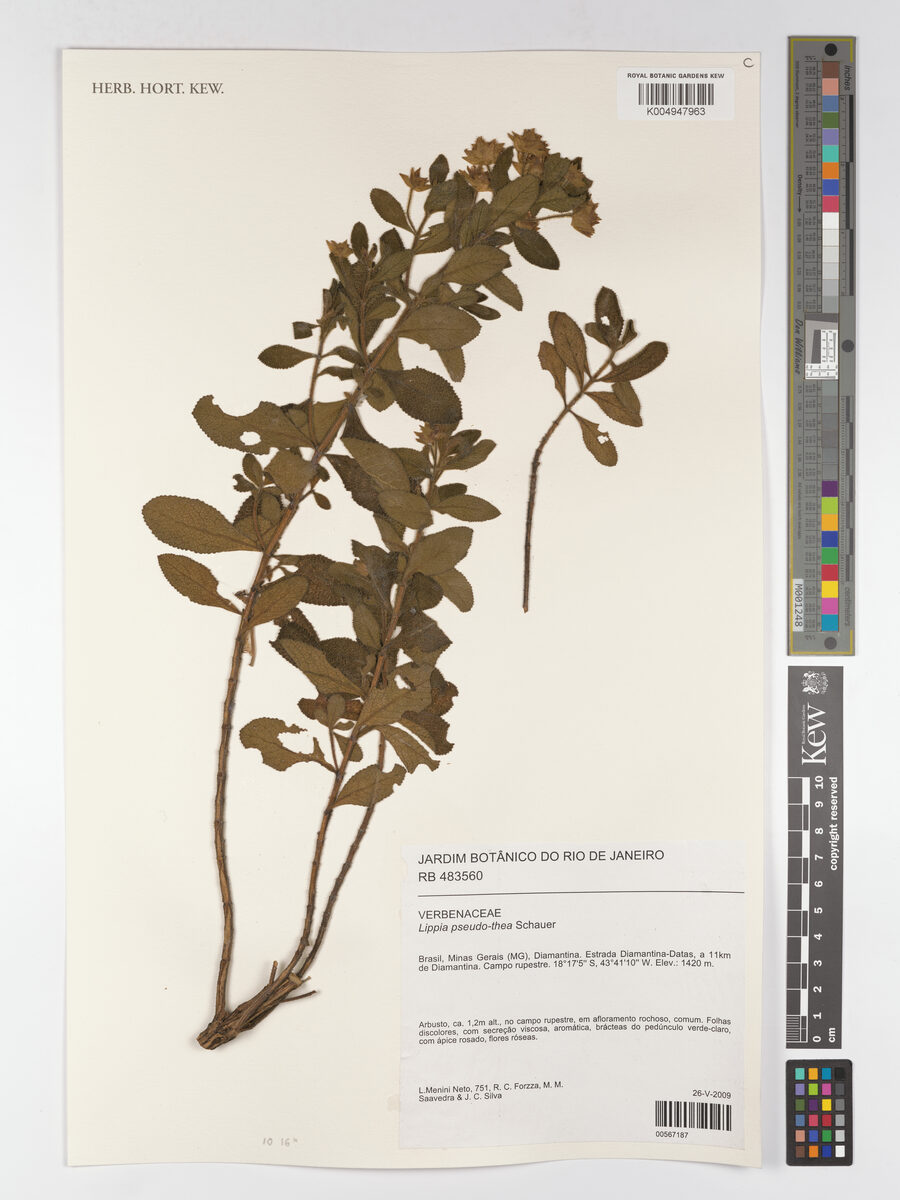
Stachytarpheta mutabilis
(Jacq.) Vahl
Velvet berry, Pink snakeweed
iNaturalist· cc-by
(c) elawrey, some rights reserved (CC BY), uploaded by elawrey
iNaturalist· cc-by-nc
(c) cdubreucq, some rights reserved (CC BY-NC)
iNaturalist· cc-by-sa
(c) Mmatjie Mashao, some rights reserved (CC BY-SA), uploaded by Mmatjie Mashao
Summary
Source: WikipediaStachytarpheta mutabilis is a species of flowering plant in the verbena family known by the common names changeable velvetberry, coral porterweed, pink snakeweed, red snakeweed, and pink rat tail. It is native to Mexico, the Caribbean, and South America. It can be found in many other places as an introduced species. It is cultivated as an ornamental plant.
Description
A shrub. It grows 2-3 m tall. The stems are stout and branched. They are densely hairy. The leaves are opposite and thick and leathery. They are oval to oblong. There are teeth along the edge. The flowering shoots are 10-60 cm long. The flowers are compressed and 8-12 mm long. They are red.
Edible Uses
The leaves are used to make tea.
Distribution
It is a tropical plant. It grows in monsoon forests and along creeks and roadsides. It grows up to 900 m above sea level.
Where It Grows
Asia, Australia, Brazil, Central America, Colombia, Costa Rica, Cuba, Dominican Republic, El Salvador, Fiji, French Guiana, Guyana, Haiti, Hawaii, Himalayas, Honduras, India, Indonesia, Jamaica, Malaysia, Mexico*, Nicaragua, Panama, Puerto Rico, SE Asia, Seychelles, South America, Suriname, Trinidad-Tobago, Venezuela, West Indies, Zimbabwe,
Cultivation
Plants can be grown from seeds or cuttings.
Synonyms
Also Known As
Jarong lelaki, Perdu ular jambon
References (5)
- Beasley, J., 2011, Plants of Tropical North Queensland - the compact guide. Footloose publications. p 174
- Kermath, B. M., et al, 2014, Food Plants in the Americas: A survey of the domesticated, cultivated and wild plants used for Human food in North, Central and South America and the Caribbean. On line draft. p 836
- Kew Plants of the World Online
- Sukarya, D. G., (Ed.) 2013, 3,500 Plant Species of the Botanic Gardens of Indonesia. LIPI p 716
- World Checklist of Useful Plant Species 2020. Royal Botanic Gardens, Kew