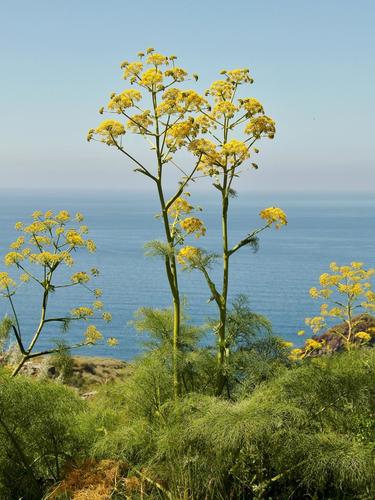
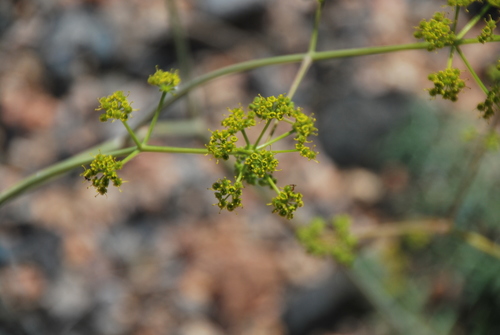
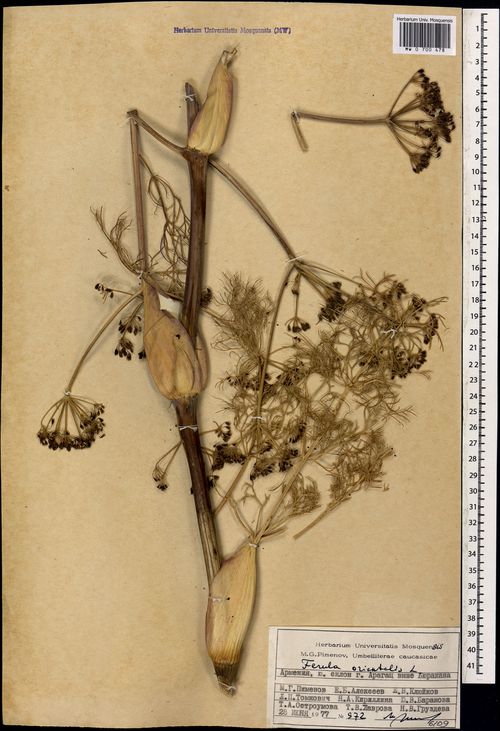
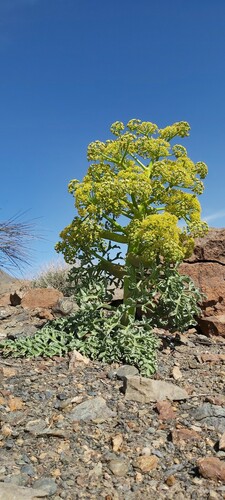
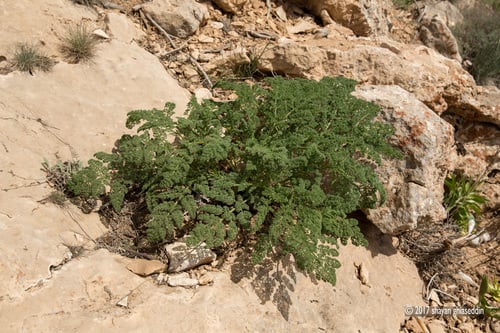
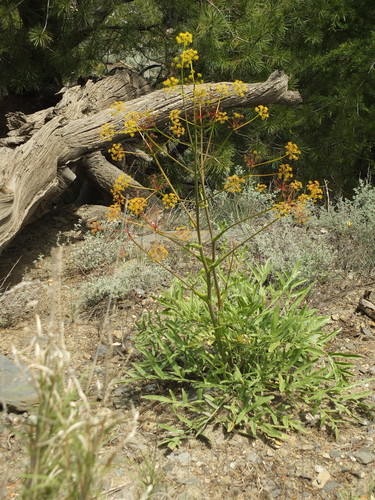
Daucus carota subsp. maximus
L., (Desf.) Ball
gbif· cc-by-nc
themantisguy
gbif· cc-by-nc
themantisguy
gbif· cc-by-nc
Jean-Marc Vanel
Summary
Source: WikipediaDaucus carota, whose common names include wild carrot, European wild carrot, bird's nest, bishop's lace, carrot flower, and Queen Anne's lace (North America), is a flowering plant in the family Apiaceae. It is native to temperate regions of the Old World with a number of regional subspecies, and is naturalised widely elsewhere. Carrots cultivated as a food crop are cultivars of the domesticated subspecies Daucus carota subsp. sativus.
Description
A herb.
This description is brief — help expand it
Edible Uses
Like the cultivated carrot, the wild carrot root is edible while young, but quickly becomes too woody to consume. The flowers are sometimes battered and fried. The leaves and seeds are also edible. The seeds and flowers have been used as a method of contraception and an abortifacient for centuries, but scientific research has not confirmed any such effects and there is no evidence of safety. If used as a dyestuff, the flowers give a creamy, off-white colour.
Known Hazards
Like many other species of Apiaceae, the leaves of the wild carrot may cause phytophotodermatitis; skin contact with the foliage, especially wet foliage, can cause skin irritation in some people, so caution should be used when handling the plant. It may also have a mild effect on horses. The compound falcarinol is naturally found in Daucus carota for protection against fungal diseases. Laboratory tests show the compound is toxic to mice and to the water flea Daphnia magna. Normal consumption of carrots has no toxic effect in humans.
Distribution
It is a Mediterranean climate plant.
Where It Grows
Europe, Gibraltar, Italy, Mediterranean, Middle East, Palestine, Sicily,
Dangerous Lookalikes
This plant can be confused with the following toxic species. Always verify identification carefully before consuming any wild plant.
Poison Hemlock
Conium maculatum
MPF
Daucus carota subsp. maximus
Daucus carota subsp. maximus
themantisguy
Poison Hemlock: Smooth hairless stem with purple/red blotches, hollow, taller (2-3m), musty smell.
Daucus carota subsp. maximus: Hairy stem, single dark purple flower in center of umbel, "bird's nest" shape when drying, carrot smell when root crushed.
Water Hemlock
Cicuta maculata
Unknown
Daucus carota subsp. maximus
Daucus carota subsp. maximus
themantisguy
Water Hemlock: Grows near water, cluster of tubers with yellowish oily liquid, smooth stems, no carrot scent.
Daucus carota subsp. maximus: Grows in dry ground, single taproot, hairy stems, carrot scent.
Also Known As
Cuda di gattu, Frustinaca agreste
References (3)
- Ali-Shtayeh, M. S., et al, 2008, Traditional knowledge of wild edible plants used in Palestine (Northern West Bank): A comparative study. J Ethnobiol Ethnomed. 4: 13
- Geraci, A., et al, 2018, The wild taxa utilized as vegetables in Sicily (Italy): a traditional component of the Mediterranean diet. Journal of Ethnobiology and Ethnomedicine (2018) 14:14
- Signorini, M. A., et al, 2009, Plants and traditional knowledge: An ethnobotanical investigation on Monte Ortobene (Nuoro, Sardinia). Journal or Ethnobiology and Ethnomedicine, 5:6