Osmorhiza occidentalis
(Nutt. ex Torr. & A. Gray) Torr.
Western sweet-cicely, Western sweetroot
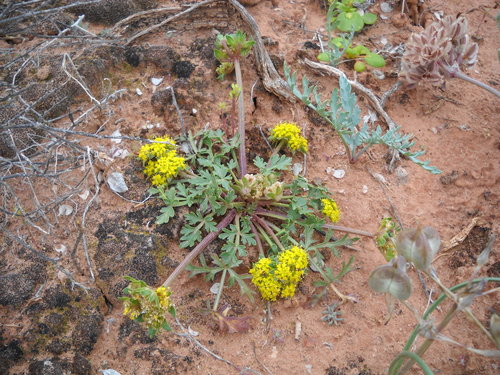
iNaturalist· cc-by-sa
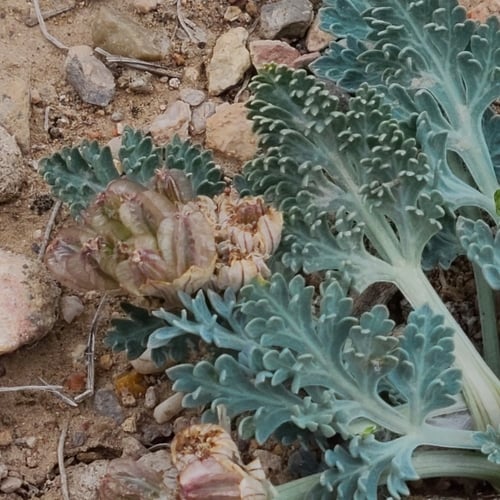
(c) Walter Siegmund, some rights reserved (CC BY-SA)
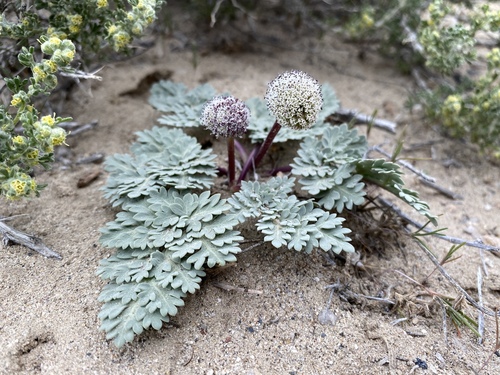
iNaturalist· cc-by-sa
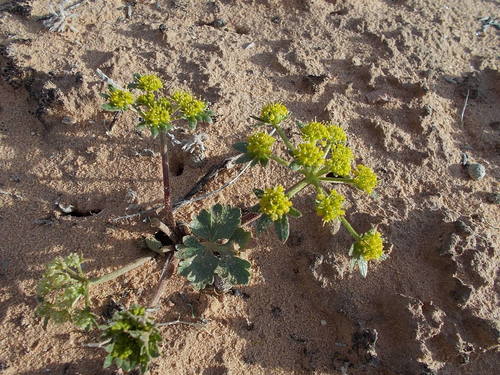
(c) Walter Siegmund, some rights reserved (CC BY-SA)
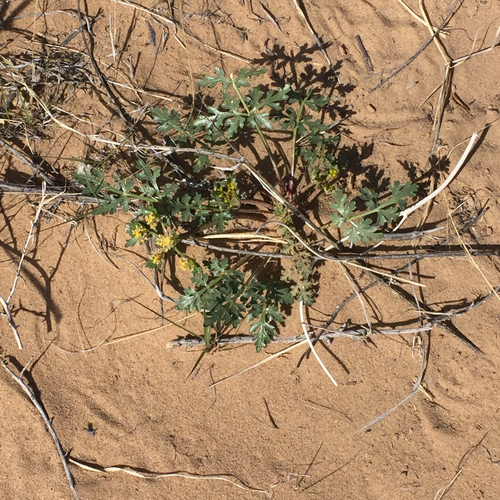
iNaturalist· cc-by-nc
(c) ctwilli, some rights reserved (CC BY-NC)
Summary
Source: WikipediaOsmorhiza occidentalis is a species of flowering plant in the family Apiaceae known by the common name western sweet cicely or western sweetroot. It is native to western North America, including the Northwestern United States and California. It grows in moist wooded and forested areas, most commonly in montane forests between 1,200–3,000 metres (3,900–9,800 ft).
Description
A herb. It keeps growing from year to year. It can grow to 1.2 m tall. It loses its leaves during the year. The leaves are alternate and twice divided.
Edible Uses
The root has a strong, sweet liquorice or anise flavor. It can be dried, ground into a powder, and used as a flavoring for biscuits and similar foods, though the flavor is likely too intense for the whole root to be eaten as a vegetable on its own. The dried seeds are also used as a flavoring, and the unripe seeds, while still fleshy, can be nibbled raw.
Traditional Uses
The roots are dried, ground into a powder and used as flavouring for cakes and other foods. The dried seeds are used as a seasoning.
This uses section is brief — help expand it
Medicinal Uses
Western sweet-cicely was widely used medicinally by several native North American peoples, particularly for digestive disorders and as an antiseptic wash. An infusion of the plant treats coughs and colds. The roots are antiseptic, carminative, febrifuge, oxytocic, pectoral, and stomachic. A root infusion has been used to induce labor and to treat fevers, indigestion, flatulence, and stomach aches. Applied externally, a root infusion treats swollen breasts, sores, and sore eyes. A root decoction has been used as a wash for venereal sores and skin rashes, and a poultice of pulped roots treats cuts, sores, swellings, and bruises. The root has been applied directly to teeth to relieve toothache, and a hot root decoction has been used to kill head lice.
Known Hazards
The root has been applied to induce labor in pregnant women.
Distribution
It is a temperate plant.
Where It Grows
Canada, North America, USA,
Propagation
Sow seed in a cold frame as soon as it is ripe where possible, otherwise sow in early spring. Once large enough to handle, prick seedlings out into individual pots and grow on in a greenhouse through their first winter. Plant out into permanent positions in late spring or early summer, after the last expected frosts.
Other Uses
The roots have been used by women as a feminine deodorant and have been placed in clothes cupboards to scent clothing, and also used to rinse babies' nappies. A root decoction has been used as a dip to kill lice on chickens.
Synonyms
References (7)
- W. H. Emory, Rep. U.S. Mex. bound. 2(1):71. 1858 ("1859") (As Washingtonia occidentalis)
- Facciola, S., 1998, Cornucopia 2: a Source Book of Edible Plants. Kampong Publications, p 21
- Kermath, B. M., et al, 2014, Food Plants in the Americas: A survey of the domesticated, cultivated and wild plants used for Human food in North, Central and South America and the Caribbean. On line draft. p 594
- Lim, T. K., 2015, Edible Medicinal and Non Medicinal Plants. Volume 9, Modified Stems, Roots, Bulbs. Springer p 61
- MacKinnon, A., et al, 2009, Edible & Medicinal Plants of Canada. Lone Pine. p 291
Show all 7 references Hide references
- Moerman, D. F., 2010, Native American Ethnobotany. Timber Press. p 371
- Plants for a Future database, The Field, Penpol, Lostwithiel, Cornwall, PL22 0NG, UK. http://www.scs.leeds.ac.uk/pfaf/