Bromus secalinus
L.
Cheat, Chess
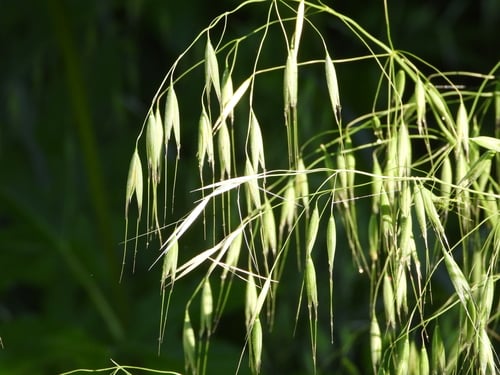
iNaturalist· cc-by-nc
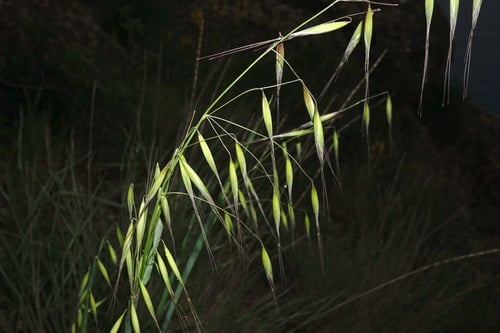
(c) Věra Kafková, some rights reserved (CC BY-NC), uploaded by Věra Kafková
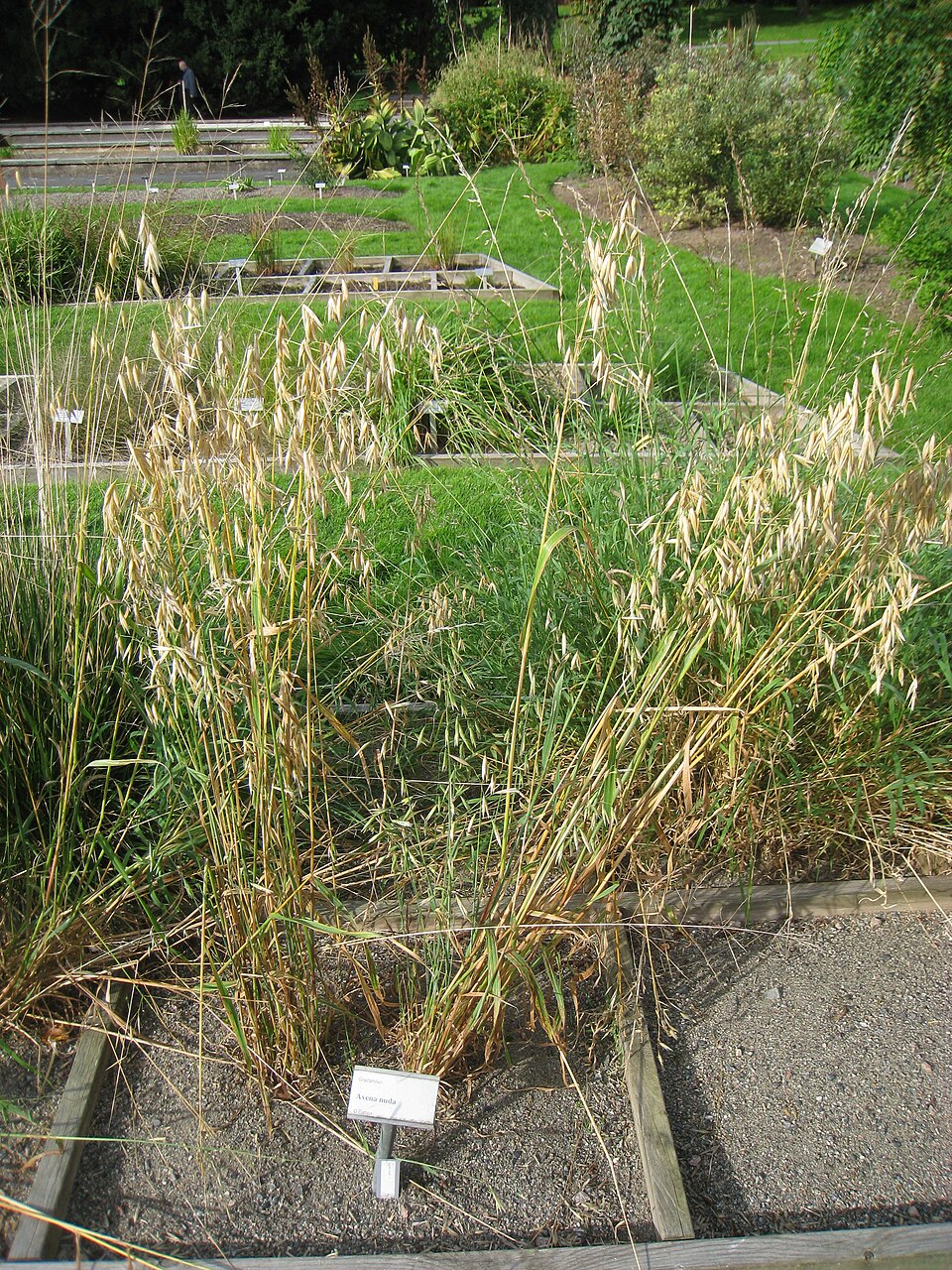
iNaturalist· cc-by-nc
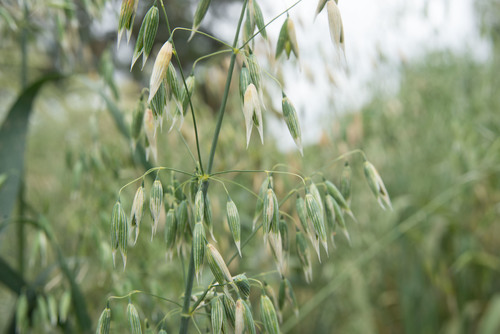
(c) Barbara L. Wilson, some rights reserved (CC BY-NC), uploaded by Barbara L. Wilson
Summary
Source: WikipediaBromus secalinus is a species of bromegrass known as rye brome. The specific epithet secalinus is Latin, meaning "rye-like". The fruits are hard, rounded glumes that appear superficially similar to the rye grain, which gives the brome its common and scientific name. The grass has a diploid number of 28. The grass is native to Eurasia but is well known in many other parts of the world where it has been introduced. It is a noxious weed throughout much of North America.
Description
A grass. It grows each year from seeds. The culms are stout and erect. They are 30-60 cm tall. The leaf baldes are 5-15 cm long by 3-6 mm wide. The flowers are in a loose panicle. It is 5.15 cm long by 2-6 cm wide. It is nodding.
Edible Uses
Although not considered very palatable, the grains are edible and starchy, and are suggested to have been used as food in Europe from the late Neolithic to the Iron Age.
Traditional Uses
The seeds are boiled to make gruel or ground and used in famine food bread. They are also ground to make flat bread. They are also used for beer.
This uses section is brief — help expand it
Distribution
It is a temperate plant. It grows on grassy slopes between 500-1,500 m above sea level in SW China.
Where It Grows
Argentina, Asia, Chile, China, Estonia, Europe, Korea, Luxembourg, Poland, Slovenia, South America, Taiwan, Tibet, USA,
Notes
It grows as a weed in wheat fields.
Also Known As
Lusted, Kaer, žitna stoklasa
References (2)
- Kalle, R. & Soukand, R., 2012, Historical ethnobotanical review of wild edible plants of Estonia (1770s-1960s) Acta Societatis Botanicorum Poloniae 81(4):271-281
- Łukasz Łuczaj and Wojciech M Szymański, 2007, Wild vascular plants gathered for consumption in the Polish countryside: a review. J Ethnobiol Ethnomedicine. 3: 17