Pseudosasa japonica
(Siebold. & Zucc. ex Steud.) Makino ex Nakai
Arrow Bamboo, Hardy bamboo
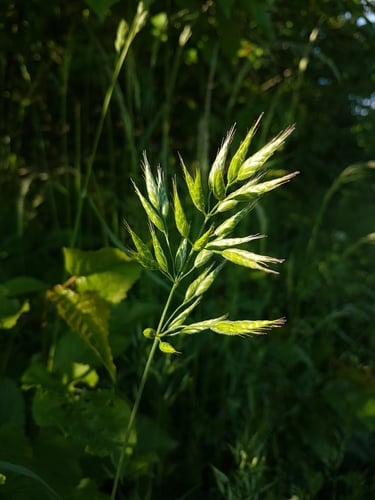
iNaturalist· cc-by-nc
(c) kelseyreznick, some rights reserved (CC BY-NC)
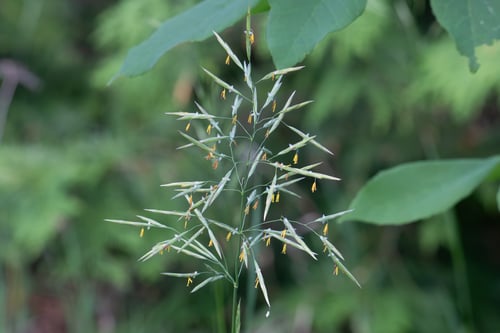
iNaturalist· cc-by
(c) Emily Roberts, some rights reserved (CC BY)
iNaturalist· cc-by-nc
(c) kelseyreznick, some rights reserved (CC BY-NC)
Summary
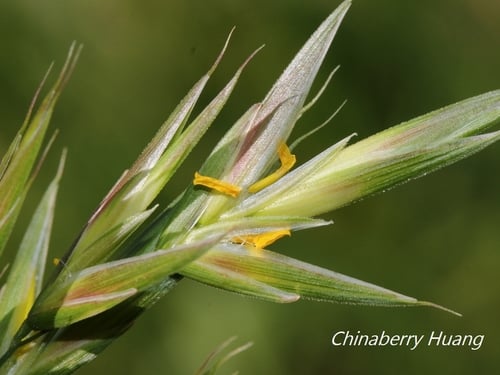
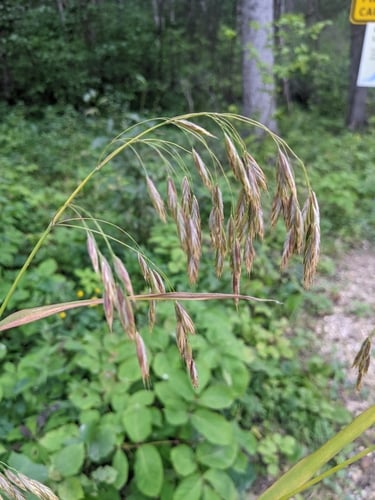
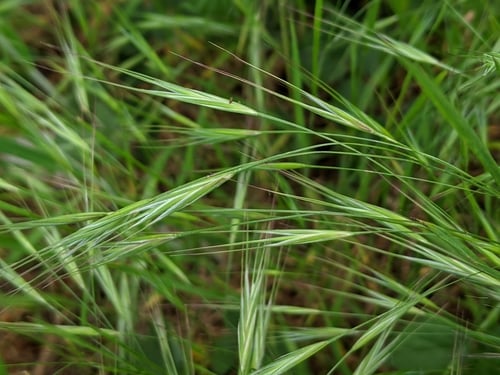
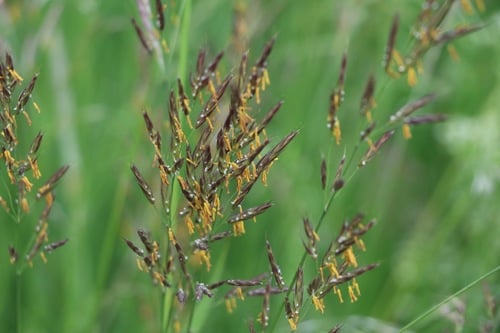
Source: WikipediaPseudosasa japonica, the arrow bamboo (Japanese: metake), is a species of bamboo in the grass family Poaceae native to Japan and Korea, but planted worldwide as a horticultural plant.
Description
A bamboo. It can grow 3.5-4.5 m high. The canes are olive green. The leaves are large and ribbon shaped. They are glossy but rough and whitened underneath. They are 20-25 cm long and 2.5-5 cm wide. The stems have brownish sheaths attached.
Edible Uses
Young shoots can be cooked and eaten. They are harvested in late spring when about 8–10cm above ground level, cutting the stems 5cm or more below the soil surface. The flavour is somewhat bitter. The seed can be used as a cereal, though only small quantities are produced in most years and it is rarely viable.
Traditional Uses
The young shoots are eaten roasted.
This uses section is brief — help expand it
Medicinal Uses
The plant has anthelmintic, antivinous, stimulant, and tonic properties. In Chinese medicine it is taken orally for asthma, coughs, and gallbladder disorders. In India the leaves are used for spasmodic stomach disorders, to arrest bleeding, and as an aphrodisiac. The plant also has abortifacient properties.
Distribution
A temperate plant. It suits hardiness zones 6-10.
Where It Grows
Asia, Australia, Britain, China, Europe, Japan, Korea, Taiwan,
Propagation
Seed should ideally be surface-sown as soon as it is ripe in a greenhouse at around 20°C. Stored seed should be sown as soon as it is obtained. Keep the compost moist at all times. Germination is usually fairly prompt with good-quality seed, though it can take 3–6 months. Prick out seedlings when large enough to handle and grow on in light shade in a greenhouse until large enough to plant out, which may take several years. Plants flower only at intervals of many years, so seed is rarely available. Division in late spring as new growth begins is very easy — single canes from the current year's growth can be used. Pot them up in light shade in a greenhouse and mist the foliage 2–3 times daily for the first couple of weeks to prevent drying out. Plant out in summer once growing strongly. Cane layering can be done in May by detaching individual canes and laying them horizontally in trenches 15cm deep; new shoots should arise from each joint. Rhizome cuttings are also possible.
Other Uses
Plants grown along riverbanks help stabilise the soil and prevent erosion. The canes, though fairly thin-walled, make excellent plant supports. Smaller canes can be plaited together for use as screens or as lathes for walls and ceilings. The plant tolerates maritime exposure well and can serve as a screen or windbreak hedge in very exposed positions. The culms are particularly effective at filtering wind, reducing speed without causing turbulence. Foliage may look tattered by late winter but plants quickly produce fresh leaves.
Notes
There are 6 Pseudosasa species.
Synonyms
Also Known As
Idea, Metake, Take-no-ko
References (11)
- Crawford, M., 2012, How to grow Perennial Vegetables. Green Books. p 75
- Crouzet, I., Starosta, P., 1998, Bamboos. Evergreen. p 95f
- Cundall, P., (ed.), 2004, Gardening Australia: flora: the gardener's bible. ABC Books. p 1103
- Hedrick, U.P., 1919, (Ed.), Sturtevant's edible plants of the world. p 78 (Arundinaria japonica)
- Hibbert, M., 2002, The Aussie Plant Finder 2002, Florilegium. p 33, 242
Show all 11 references Hide references
- J. Arnold Arbor. 6:150. 1925 (Makino, J. Jap. Bot. 2:415. 1920, nom. inval.)
- Plants for a Future database, The Field, Penpol, Lostwithiel, Cornwall, PL22 0NG, UK. http://www.scs.leeds.ac.uk/pfaf/
- Ryan, S., 2008, Dicksonia. Rare Plants Manual. Hyland House. p 86
- Slocum, P.D. & Robinson, P., 1999, Water Gardening. Water Lilies and Lotuses. Timber Press. p 133
- Song, M., et al, 2013, Traditional knowledge of wild edible plants in Jeju Island, Korea. Indian Journal of Traditional Knowledge. 12(2) pp 177-194
- Woo, Y., et al, 2017, Antioxidant Potential of Selected Korean Edible Plant Extracts. Hindawi BioMed Research International Volume 2017, Article ID 7695606