Polytoca gigantea
(Koenig ex Roxb.) Mabb.
Wild adlay
wikimedia· cc-by-sa
Wikimedia Commons - Dinesh Valke from Thane, India
wikimedia· cc-by-sa
Wikimedia Commons - Dinesh Valke from Thane, India
Description
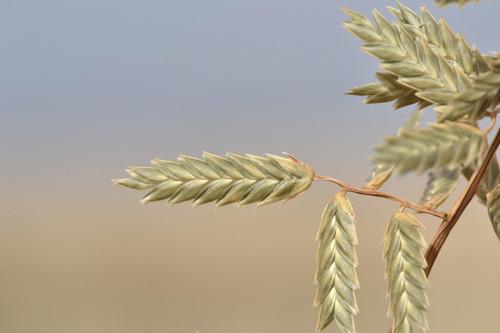
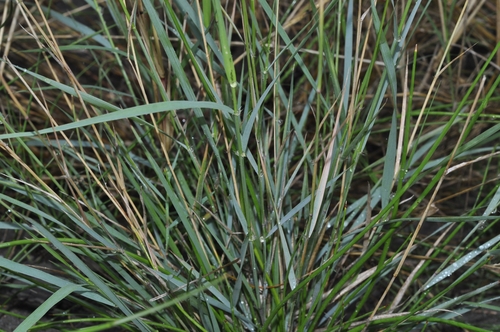
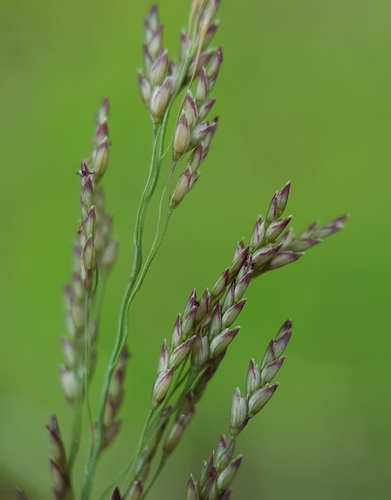
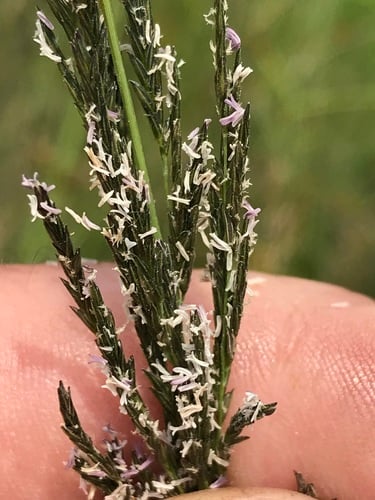
A tall broad leafed grass. It can be up to 4 m tall and the firm stem has prop roots near the ground. It is a perennial grass. The seeds are in a dense spike.
Edible Uses
The stems are eaten and traditionally used in the making of salt.
Traditional Uses
The stems are used for the making of salt. They are also reported to be eaten.
This uses section is brief — help expand it
Distribution
A tropical plant. It is common in swampy places in the highlands.
Where It Grows
Asia, India, Myanmar, Pacific, Papua New Guinea, PNG, SE Asia,
Cultivation
It can be grown from seeds, and stems that fall over also form roots at the nodes.
Notes
There are 6 Coix species.
Synonyms
Also Known As
Bandu, Danga gurgur, Hongobandu, Kyeik, Kyeik-kaing
References (10)
- Ambasta, S.P. (Ed.), 2000, The Useful Plants of India. CSIR India. p 135 (As Coix gigantea)
- Arora, R. K., 2014, Diversity in Underutilized Plant Species - An Asia-Pacific Perspective. Bioversity International. p 102 (As Coix gigantea)
- Ballard, 1991, (As Coix gigantea)
- Fl. ind. ed. 1832, 3:570. 1832 (As Coix gigantea)
- French, B.R., 1986, Food Plants of Papua New Guinea, A Compendium. Asia Pacific Science Foundation p 332 (As Coix gigantea)
Show all 10 references Hide references
- Haberle, S., 2005, Ethnobotany of the Tari basin, Southern Highlands Province, Papua New Guinea. Palaeoworks Technical Paper 6. (As Coix gigantea)
- Powell, J.M., Ethnobotany. In Paijmans, K., 1976, New Guinea Vegetation. Australian National University Press. p 109 (As Coix gigantea)
- PROSEA (Plant Resources of South East Asia) handbook Volume 10 Cereals. p 79 (As Coix gigantea)
- Wood, 1984, (As Coix gigantea)
- World Checklist of Useful Plant Species 2020. Royal Botanic Gardens, Kew