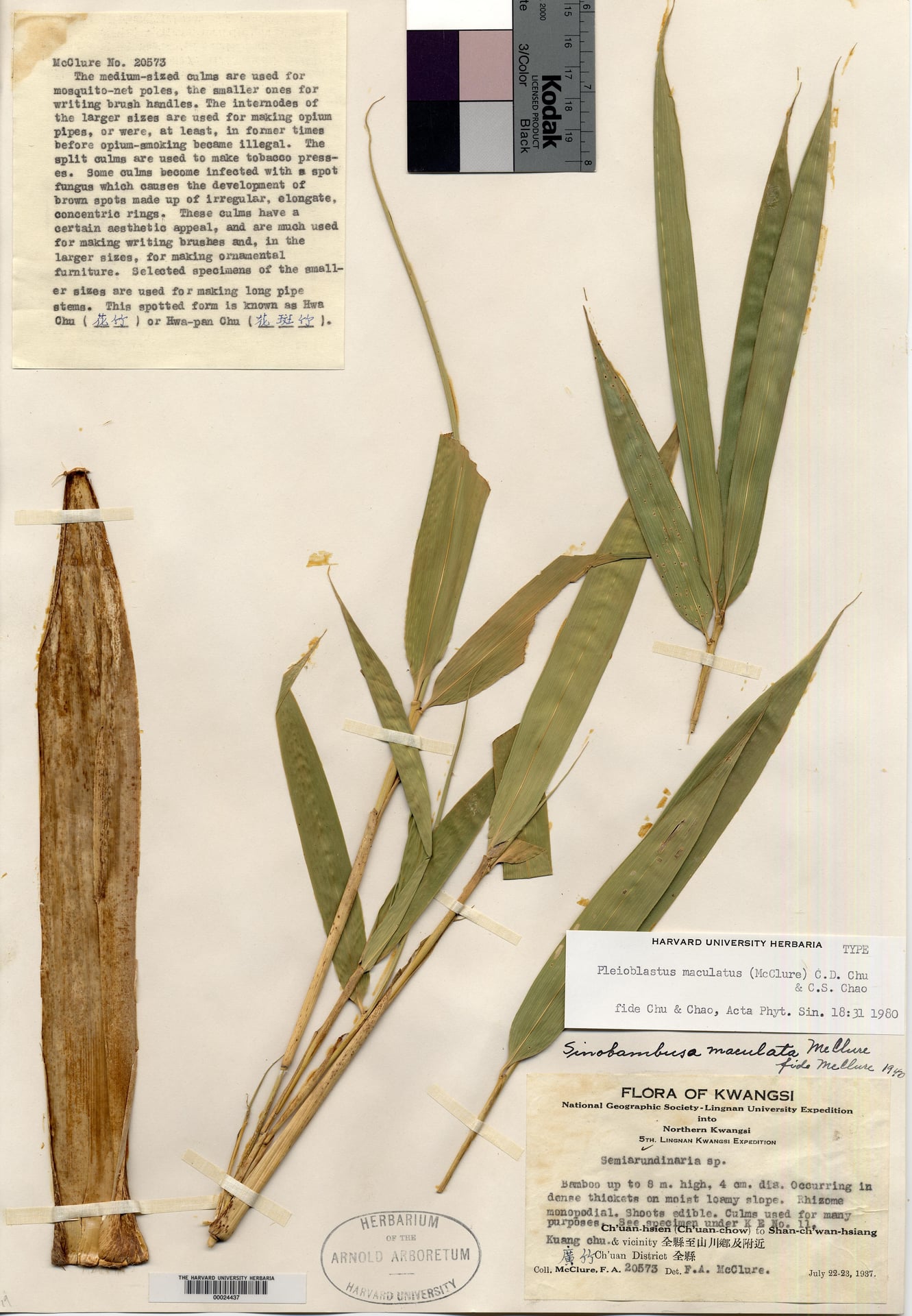
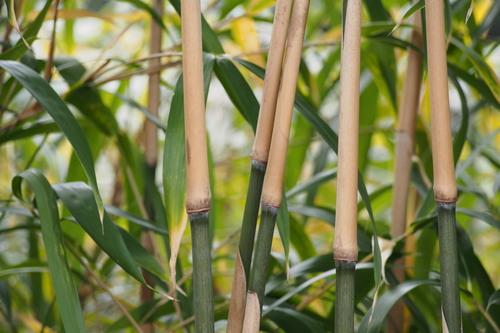
Porteresia coarctata
(Roxb.) Tateoka
Wild rice
gbif· cc-by
Royal Botanic Gardens, Kew
gbif· cc-by
Royal Botanic Gardens, Kew
gbif· cc-by
Royal Botanic Gardens, Kew
Summary
Source: WikipediaPorteresia coarctata is a fast-growing perennial reaching 2 m tall with a narrow spread of 0.1 m. Hardy to UK zone 10. Wind-pollinated flowers appear on the plant. It grows in light sandy, medium loamy, and heavy clay soils including nutritionally poor soil. pH range spans mildly acidic to basic with salt tolerance. The plant requires full sun, prefers moist to wet soil, and can grow in water.
Description
Porteresia coarctata is a fast-growing perennial reaching 2 m tall with a narrow spread of 0.1 m. Hardy to UK zone 10. Wind-pollinated flowers appear on the plant. It grows in light sandy, medium loamy, and heavy clay soils including nutritionally poor soil. pH range spans mildly acidic to basic with salt tolerance. The plant requires full sun, prefers moist to wet soil, and can grow in water.
Edible Uses
The seeds are edible. Porteresia coarctata is currently wild-harvested and is also noted within carbon farming solutions as a staple crop providing balanced carbohydrates — a category referring to foods eaten routinely that form a dominant part of people's diets in a particular region. Wild rice species such as this have proven to be important gene reservoirs for improving domesticated rice yield, quality, and resistance to diseases and insects. P. coarctata in particular shows considerable adaptation to salinity among the wild relatives of rice.
Traditional Uses
The seeds are used as a rice substitute in times of food shortage.
This uses section is brief — help expand it
Medicinal Uses
None Known
Distribution
It is a tropical plant. It grows in mangrove forests. It grows in coastal places. It can tolerate salt.
Where It Grows
Asia, India,
Propagation
Propagated by seed.
Other Uses
The plant is grown for erosion control and coastal protection. Its salt tolerance makes it a potentially important source of salt-tolerance genes for transfer to other rice species. It acts as a pioneer species in the succession process of mangrove formation along the estuaries of India.
Other Information
It is a famine food.
Synonyms
References (1)
- Pattanaik, C., et al, 2008, Utilisation of mangrove forests in Bhitarkanika wildlife sanctuary, Orissa. Indian Journal of Traditional Knowledge. 7(4): 598-603