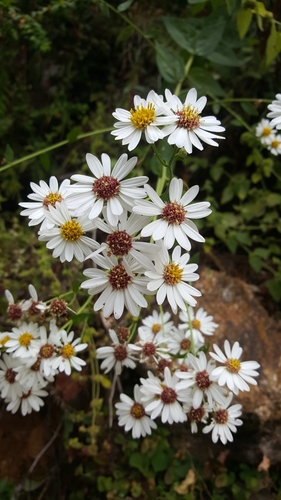
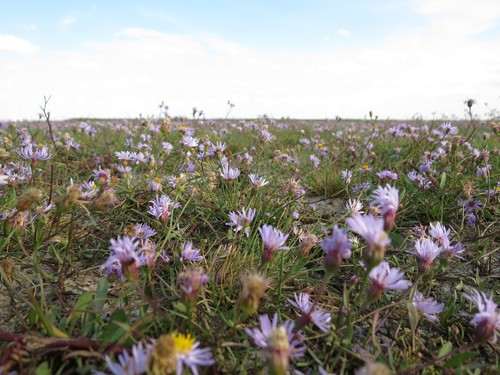
Lactuca orientalis
(Boiss.) Boiss.
iNaturalist· cc-by-nc
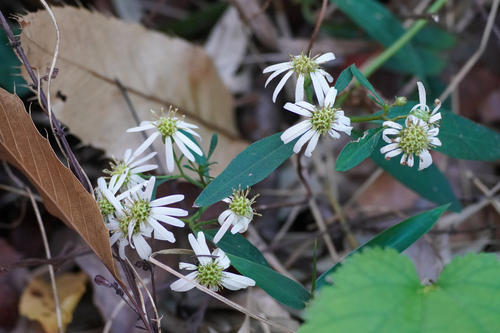
(c) MRN, some rights reserved (CC BY-NC), uploaded by MRN
iNaturalist· cc-by-nc
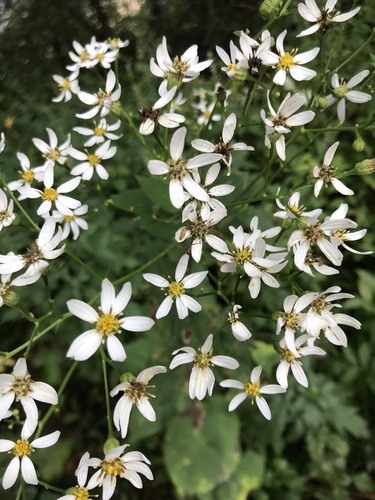
(c) Ron Frumkin, some rights reserved (CC BY-NC), uploaded by Ron Frumkin
iNaturalist· cc-by-nc
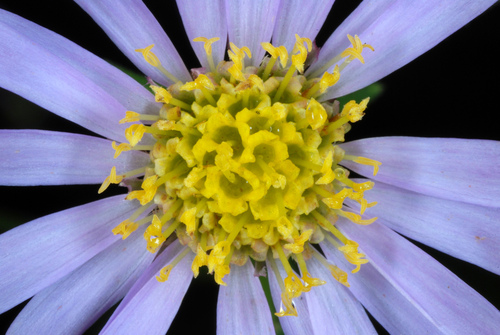
(c) Шильников Дмитрий Сергеевич, some rights reserved (CC BY-NC), uploaded by Шильников Дмитрий Сергеевич
Summary
Source: WikipediaLactuca orientalis is a Eurasian species of plant in the tribe Cichorieae within the family Asteraceae. It is widespread across the Middle East and southern Asia as far east as Tibet. Lactuca orientalis is a branching subshrub up to 60 cm tall. Leaves are both on the stem and also clustered in a circle around the base. The plant produces one flower head per branch, each head with 4–5 yellow ray flowers but no disc flowers.
Description
A herb or small shrub. It keeps growing from year to year. It grows 20-60 cm tall. It has spines. It is branched from the base and the stems are white. The leaves at the base are in a ring. And have teeth or lobes along the edges. The leaves on the stem are smaller.
Edible Uses
The leaves are eaten raw and probably also cooked.
Traditional Uses
The leaves are eaten raw. They are probably also cooked.
This uses section is brief — help expand it
Distribution
It is a Mediterranean plant. It grows in dry soils. It can grow in arid places. It grows in NW China on a range of soils below 3,800 m above sea level.
Where It Grows
Africa, Asia, Central Asia, China, Egypt, Europe, Iran, Israel, Jordan, Kazakhstan, Kyrgyzstan, Lebanon, Mediterranean, Middle East, North Africa, Pakistan, Sinai, Tajikistan, Turkey, Türkiye,
References (5)
- Al-Qura'n, S. A., 2010, Ethnobotanical and Ecological Studies of Wild Edible Plants in Jordan. Libyan Agriculture Research Center Journal International 1(4):231-243
- Bailey, C. and Danin, A., 1981, Bedouin Plant Utilization in Sinai and the Negev. Economic Botany 35(2): 145-162
- Ertug, F, Yenen Bitkiler. Resimli Türkiye Florası -I- Flora of Turkey - Ethnobotany supplement
- Royal Botanic Gardens, Kew (1999). Survey of Economic Plants for Arid and Semi-Arid Lands (SEPASAL) database. Published on the Internet; http://www.rbgkew.org.uk/ceb/sepasal/internet [Accessed 11th April 2011]
- World Checklist of Useful Plant Species 2020. Royal Botanic Gardens, Kew