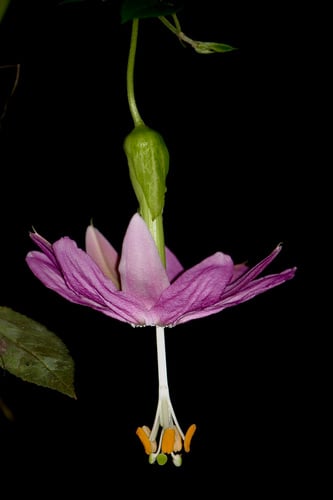
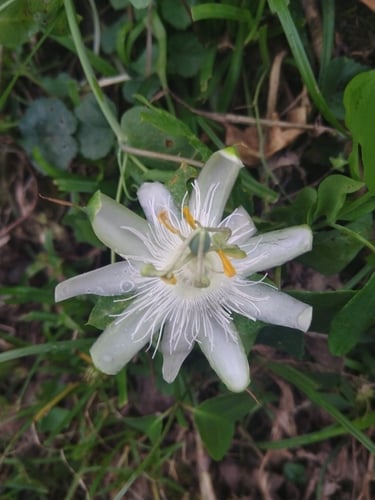
Passiflora mathewsii
(Mast.) Killip
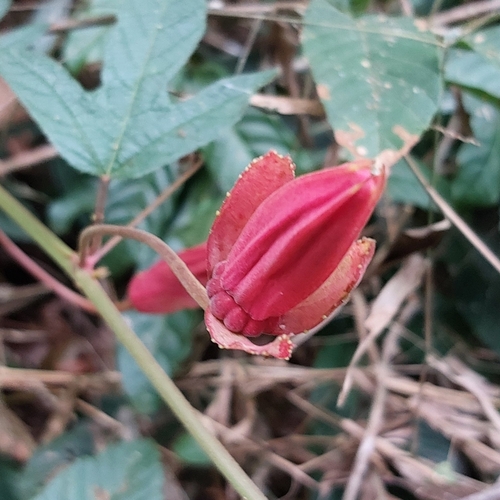
iNaturalist· cc-by-nc
(c) Martin W, some rights reserved (CC BY-NC), uploaded by Martin W
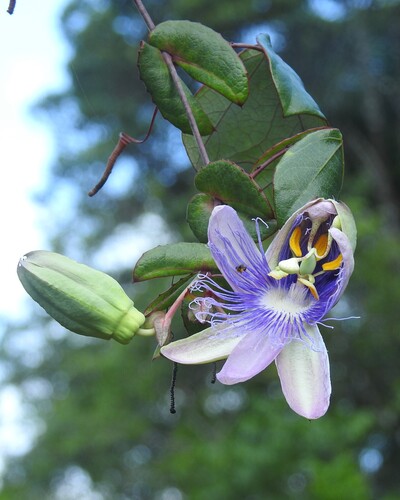
iNaturalist· cc-by-nc
(c) Manuel Roncal, some rights reserved (CC BY-NC), uploaded by Manuel Roncal
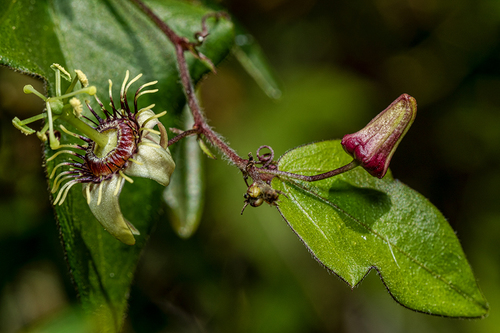
iNaturalist· cc-by-nc
(c) Anibal Prina, some rights reserved (CC BY-NC), uploaded by Anibal Prina
Description
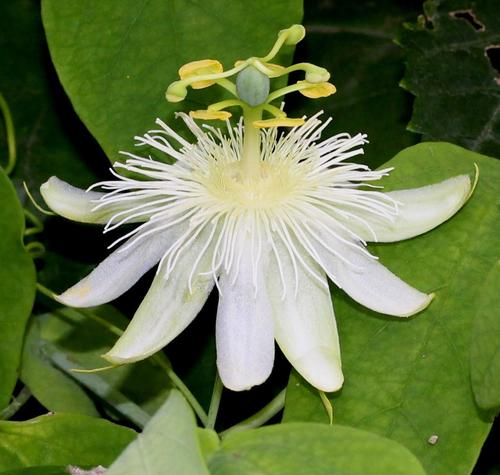
A vine. The leaves have 3 lobes and teeth around the edge. The flowers are dark pink. Young fruit are green.
This description is brief — help expand it
Edible Uses
Passiflora incarnata (maypop) leaves and roots have a long history of use as a traditional medicine by Native Americans in North America and were adapted by European colonists. The fresh or dried leaves of maypop are used to make a tea that is used as a sedative. Passionflower as dried powder or an extract is used as a dietary supplement. There is insufficient clinical evidence for using passionflower to treat any medical condition. Passionflower is classified as generally recognized as safe for use as a food ingredient in the U.S.
Known Hazards
Passion flower is not recommended during pregnancy because it may induce contractions. Consuming passion flower products may cause drowsiness, nausea, dizziness, abnormal heart rhythms, asthma, or rhinitis.
Distribution
It is a tropical plant. It grows between 2,300-3,000 m above sea level in Ecuador.
Where It Grows
Ecuador, Peru, South America*,
Synonyms
Also Known As
Gullan
References (3)
- Torre, de la, L., et al, 2008, Enciclopedia de las Plantas Útiles del Ecuador. Herbario QCA. Pontificia Universidad Católica del Ecuador. p 486
- Van den Eynden, V., et al, 2003, Wild Foods from South Ecuador. Economic Botany 57(4): 576-603
- Van den Eynden, V., 2004, Use and management of edible non-crop plants in southern Ecuador, Ph D dissertation. p 108